The Supernova tomato is very popular among gardeners and farmers. It's an ultra-early ripening vegetable with a growing season of just 60-62 days. A new development from the renowned French breeding company Clause, Supernova F1 has gained popularity among farmers worldwide due to its stress resistance and ability to produce a good harvest in a variety of climates.
The main characteristic that has made this vegetable popular is its excellent sweet flavor with a hint of tartness. Consumers also cite the Supernova's large size and the presence of a "nose," which enhances its appearance. This variety of tomato is primarily intended for fresh consumption, but it is also widely used for pickling and processing. Thanks to its firm skin, these vegetables store well and are transported over long distances.
Appearance of the plant
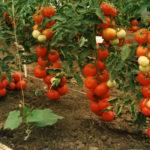
The bush reaches 50 cm in height. Its stem is thick and sturdy, and its leaves are shaped like potato leaves and are a rich green. Up to 10 clusters form on the bush in a single season, each bearing 4-5 fruits.
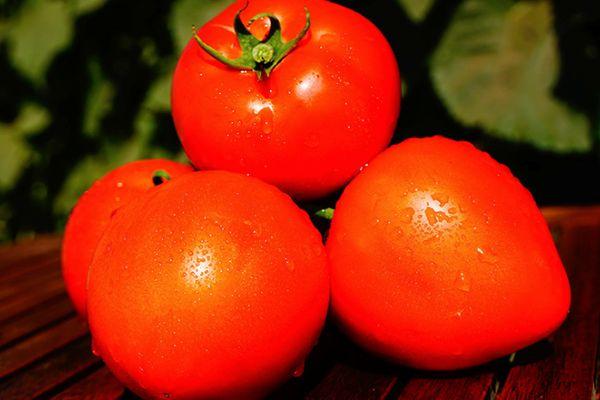
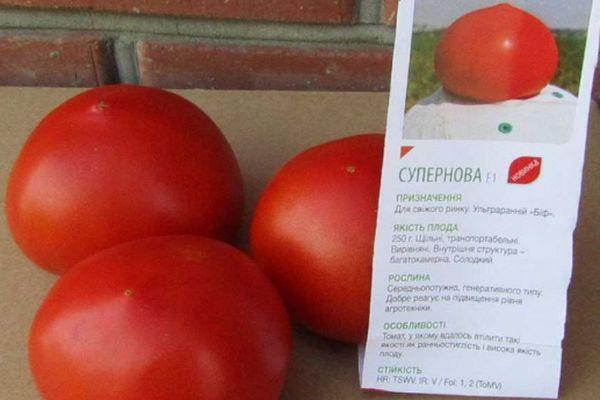
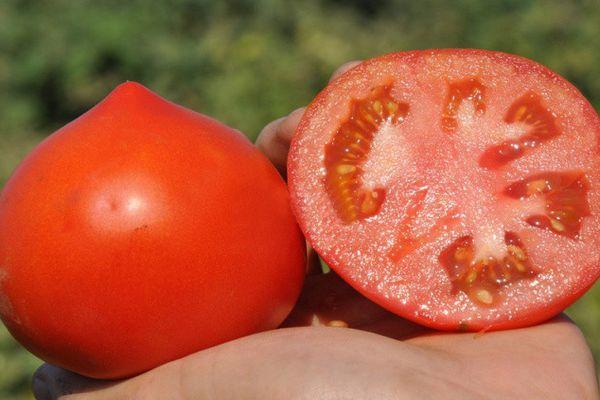
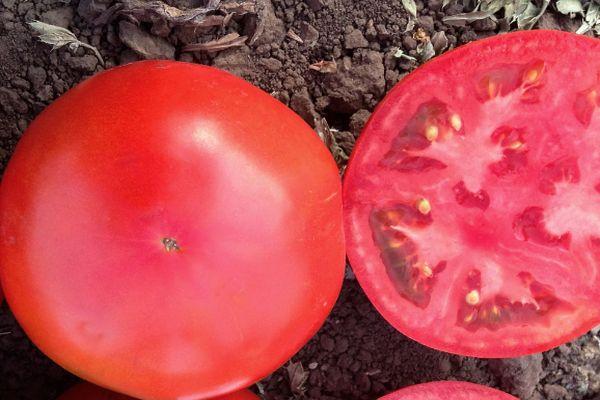
The tomatoes grow to a weight of approximately 250-300 grams, are round in shape, and have elongated "noses." The flesh is a uniform, rich red color and firm in consistency, with no white stem.
Tomatoes of this variety are very juicy. Each fruit contains approximately 10 seed chambers. The thickness of the seed walls reaches 46 mm. Supernova tomatoes are protected from cracking in the garden by their dense and elastic skin.
Growing principles
Farmer feedback indicates that growing Supernova is very profitable, with record-high yields for early varieties: 4-5 kg per bush or about 100 tons per hectare of land.

Tomato seeds are supplied in their original packaging, fully prepared for planting and treated. Planting material should not be touched with bare hands; all work must be done with gloves, and after finishing sowing, hands should be washed with soap and water.
Tomatoes are planted both in open ground and under plastic covers. The latter option is preferred and most popular.
For the Supernova F1 tomato, the growing process is described as follows:
- Planting. Sowing occurs in January-February in high-quality peat-sand soil. Seeds can be sown in special seed trays or regular seed trays to a depth of about 1.5 cm. It is then recommended to lightly compact the soil to ensure simultaneous germination of the seeds.
- Pricking out seedlings. This is done after each bush has 2-3 leaves, which typically occurs 25 days after sowing. Pricking out helps improve the quality of the bushes.
- Planting in open ground. When the seedlings reach 25-30 cm in height, they can be transplanted to their permanent location. Beds should be spaced 70 cm apart, with a planting density of 3-4 plants per 1 m² of soil. Staking the plants is recommended, but not required. This variety does not require pinching.
- Harvesting. The first harvest can be obtained as early as 60 days after planting. Full-scale harvesting begins on the 65th day.
Supernova's growing popularity is fueled by its resistance to major nightshade diseases and cold hardiness, which allows it to be grown in secondary crop rotations. These tomatoes tolerate overhead watering well, but drip irrigation is preferred.
These plants are often attacked by cutworms and Colorado potato beetles. These insects must be removed mechanically. Watering tomatoes every 10 days is recommended. Also, remember to fertilize the plants regularly and weed the beds. To speed up ripening, it's advisable to remove the lowest leaves from the plants.
Related posts:
 How to propagate and grow peas, cultivation technology, and care in open ground
 80 Best Eggplant Varieties for Different Regions with Descriptions and Characteristics
 Description and characteristics of the best seeds of pea varieties and types
 The best grape varieties for growing in the Urals, planting and care rules in summer
 Description and characteristics of the most productive varieties and hybrids of corn
 Description of varieties of sowing peas and cultivation, to which family they belong
 Description of the best varieties of onions, planting and care in open ground
 How to choose a tomato variety for growing in Ukraine and when to plant seedlings