The Amursky Shtamb tomato produces a good harvest in any weather. This plant is undemanding regarding soil quality. This variety was developed by breeders for regions with unfavorable growing conditions for nightshade crops. This standard plant is suitable for cultivation in open ground and plastic greenhouses. Due to its small size, many vegetable growers prefer to grow this variety in apartment buildings, such as on loggias and balconies.
Characteristics and description of the variety
The characteristics and description of the Amursky Shtamb variety are as follows:
- The first fruits of this plant can be obtained 85-90 days after planting.
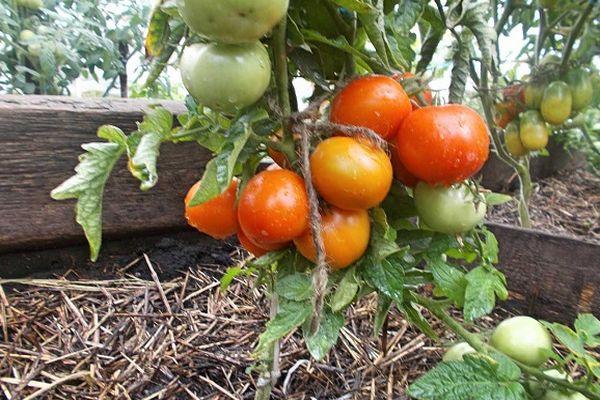
- The height of the bush of this tomato does not exceed 0.5 m. The leaves on the stem are large, colored in dark shades of green.
- The plant has a simple inflorescence. The immature fruits that form are light shades of green.
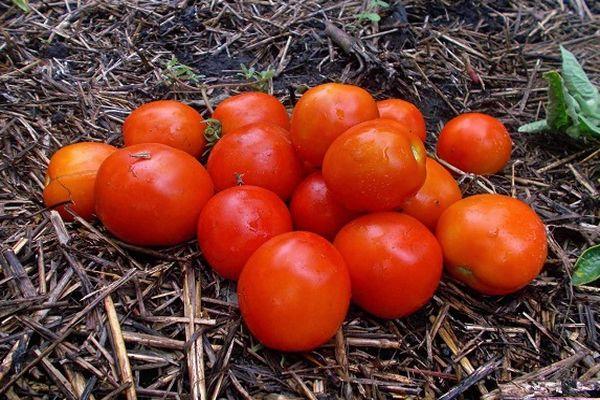
- The fruit's shape resembles a sphere, flattened at the top and bottom. The fruit is red, with many being lighter shades of this color.
- The weight of the fruits ranges from 60 to 120 g.
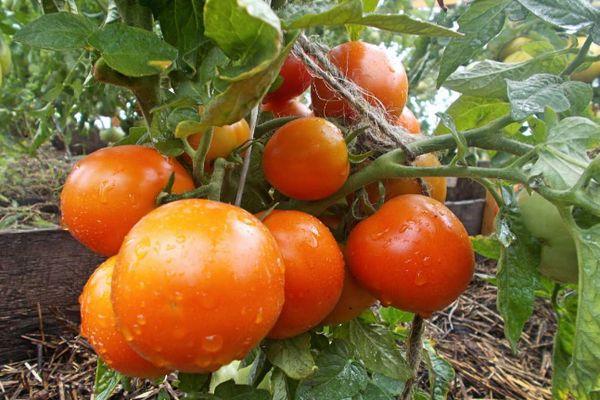
Reviews from people growing Amur standard tomatoes indicate that yields reach 3.5-4 kg per bush. These tomatoes can be propagated using seedlings or directly sown in the garden.
Vegetable growers note that Amur standard ripens well even in cool, humid climates. Due to its small stature, the branches don't need to be tied to supports. Farmers also note that the plant tolerates pricking well. It thrives during droughts. For normal growth, avoidance of frost and sudden temperature fluctuations is sufficient.
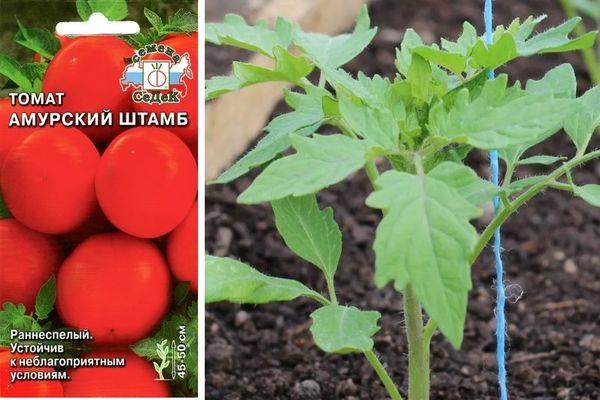
The tomato stem of the type described practically does not produce side shoots, which leads to rapid formation of the ovary.
Due to the shallow roots, the Amur standard tree absorbs most of its nutrients and moisture into its stem. Bushes can be planted close together, which leads to increased yields.
Take a look Also

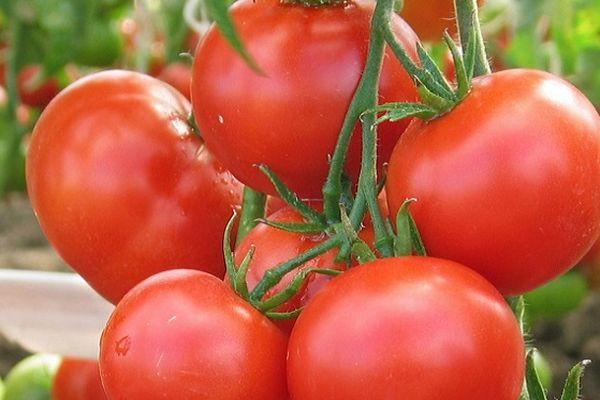
Amur standard tomatoes can withstand long-distance transportation and remain fresh for 2-3 months. These tomatoes are used in salads and eaten fresh. Doctors recommend eating this variety to strengthen the immune system and liver; they can also be pickled.
Tomato growing technology
After purchasing the seeds, treat them with potassium permanganate. They can be planted in the garden only when the soil has warmed sufficiently by sunlight. Before then, the garden bed itself must be prepared. It is raised and widened, and arches are installed along the soil. The bottom is covered with any grass, and on top is placed humus mixed with ground ash.
Holes are made in a checkerboard pattern in the bed. 4-5 seeds should be placed every 0.3 m. They are then covered with a 12-15 mm layer of soil. The soil is watered with a warm solution of potassium permanganate. All the holes containing the seeds are covered with jars. A plastic cover is stretched over the previously laid arches, and then covered with soil to hold the plastic in place during windy weather.
The bed is opened only after the seeds have sprouted. When the tomato plants reach a height of 8-10 cm, no more than two seedlings are left in the hole. This planting method reduces the time required for tomato care. The plant bears fruit until frost sets in, and its stems and leaves are highly resistant to late blight.
This tomato is not susceptible to verticillium wilt or fungal infections. Watering the bushes is recommended only in extreme heat or drought.
If you regularly feed the bushes with complex fertilizers, you can increase the tomato yield by 1.5-2 times.
To protect tomato plants from garden pests, such as aphids or various insect caterpillars, spray the bushes with toxic chemicals. Slugs are killed by treating the soil beneath the bushes with ash flour.
Related posts:
 Description and propagation of the Amur grape variety, planting and care
 Description of the Amur Tiger tomato and how to grow it yourself
 The best grape varieties for growing in the Urals, planting and care rules in summer
 Description of the best ultra-early tomato varieties for open ground and greenhouses
 Description of the 20 best varieties and types of barberry, planting and care rules
 Characteristics and description of the Sprut tomato variety, yield and cultivation
 How to grow grapes in the Moscow region in open ground without a greenhouse
 Description and characteristics of the Triumph Severny apricot variety, planting and care