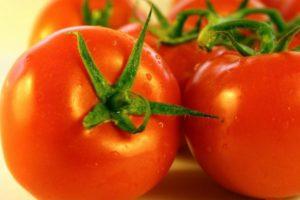
For preserves lovers, the Ladybug tomato is the perfect choice. The small fruits fit perfectly in a jar, leaving virtually no room. Adding honey creates such a piquant flavor that you'll eat them all. They store well. If transporting, they can be placed in dry, coarse wood chips.
Determinate variety
The term "determinate" for tomatoes refers to the limited development of the main plant shoot, which begins with the inflorescence and produces ovaries and fruits. Subsequent shoots emerge from the lower shoots located in the leaf axils.

This variety can be distinguished from an indeterminate variety by the length of the cotyledon, which ranges from 1 to 3 cm. This becomes noticeable as early as 3-4 days after the shoot emerges from the ground. Ladybug tomatoes form their first ovaries after 6-7 true leaves have formed.
This vegetable is ideal for growing both outdoors and in greenhouses. The time from the first shoot emerging from the soil to full maturity is no more than 80 days.
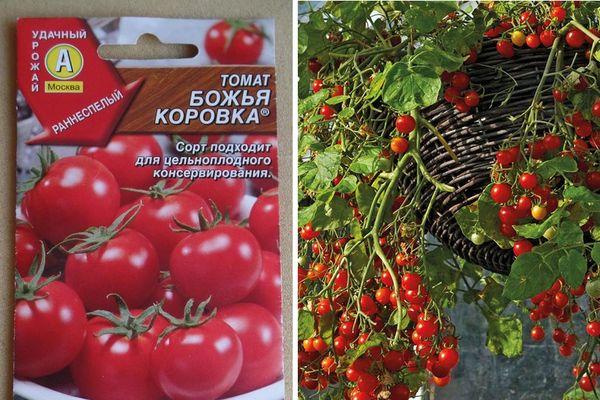
The variety's characteristics and description at an early stage of development suggest that the plant is an ornamental variety. However, the number of fruits, which ripen very quickly, belies this. Some gardeners report harvesting several buckets of fruit from three or four bushes throughout the season.
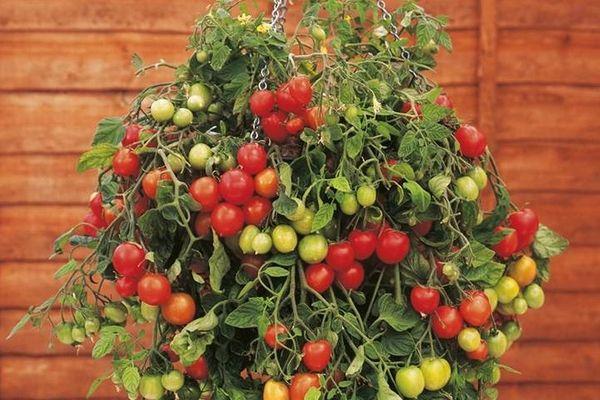
Each tomato weighs only 20 grams. But the sheer number of tomatoes more than makes up for this shortcoming. The bush is simply covered with juicy fruits, ranging in color from green to bright red. Key characteristics of the tomatoes include:
- smooth and dense to the touch skin;
- sweet and sour taste;
- juicy pulp;
- rounded shape.
The bush reaches a height of 80 to 100 cm. The first fruiting begins in July and ends in early autumn, with the onset of cold nights.

Rules for planting and caring for tomatoes
The timing of the first harvest depends on when the gardener plants the plant seeds in trays. Experienced gardeners recommend starting seed planting in late February or early March.
The precision planting method will allow you to assess the uniformity of seedling emergence and compare the growth rates of two different tomato varieties. According to agricultural practices, after the shoots emerge, they must be pricked out. To do this, use larger trays and transplant each seedling into new soil to ensure normal growth and transfer to open ground.
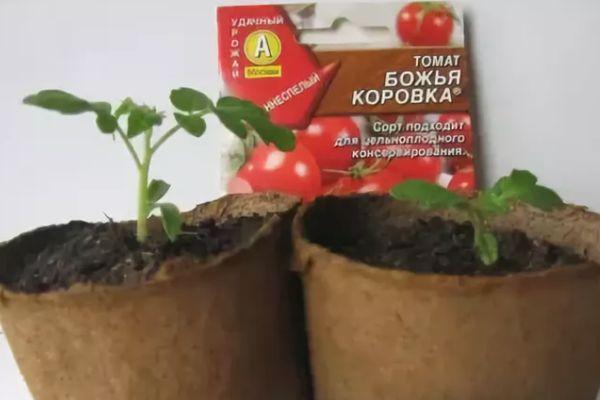
The shoot must be planted deep enough to reach the cotyledons. During growth, the following occurs:
- ventilation of the room;
- hardening and fertilizing plants;
- maintaining an optimal air temperature within +18°C;
- regular watering.
After spring frosts have passed, mulch the garden with straw or rotted sawdust. A single application of nitrogen and mineral fertilizers will increase the yield. To ensure efficient water use, it's a good idea to install a drip irrigation system in the garden beds. The seedling placement plan is 50 x 70 cm.
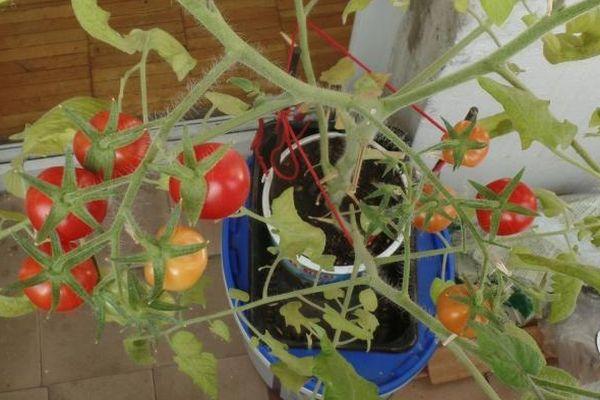
Early ripening of tomatoes helps prevent late blight. It usually begins to develop in August, when nights become cool and morning dew appears.
To reduce the risk of disease, you can pluck off the bottom leaves and mulch the soil with the same dry straw. Gardeners are particularly concerned about ants and snails. The former are dangerous because they aid aphids, which devour young inflorescences.
The snail loves ripe tomatoes and can spoil all the fruits in one night. Ants and aphids are controlled with agrochemicals. Snails dislike finely crushed eggshells. When heat-treated, the skin of Ladybug tomatoes withstands heat without cracking, and the flesh retains its consistency. Unripe tomatoes ripen well in a dark, dry place.
Related posts:
 How to propagate and grow peas, cultivation technology, and care in open ground
 The best grape varieties for growing in the Urals, planting and care rules in summer
 Description of varieties of sowing peas and cultivation, to which family they belong
 How to properly plant peas in a greenhouse and open ground
 Methods for planting and propagating cherries at home
 The best eggplant varieties for growing in a polycarbonate greenhouse: planting and care
 How to quickly prepare pickled eggplant in jars for the winter, the most delicious recipes and storage conditions for the preparations
 How to grow ginger in the open ground at your dacha, planting and care