
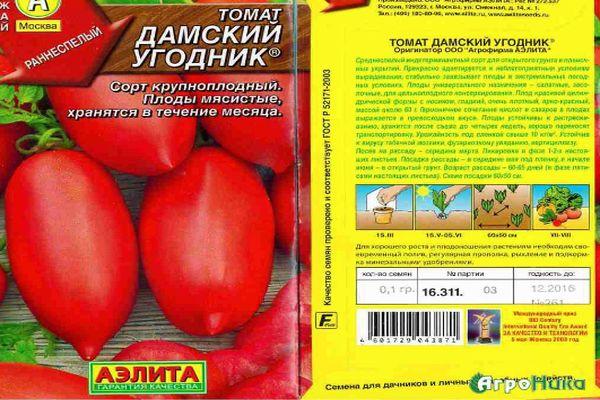
The "Ladies' Man" tomato belongs to the group of early-ripening hybrids. This variety can be grown both outdoors and in greenhouses or hotbeds. "Ladies' Man" is easy to care for and can withstand adverse weather conditions. Although it can tolerate low temperatures, it's best not to experiment with it. Therefore, it's recommended to plant seedlings in a greenhouse for growing the plant. The berries of this variety retain their marketable appearance for 30 days. The harvested crop can be transported over long distances.
Some technical data
The characteristics and description of the Ladies' Man variety are as follows:
- Tomatoes complete the full vegetation cycle (from sprouts to harvest) in 80-90 days.
- The height of the "Ladies' Man" bushes is 150-170 cm. The leaves are dark shades of green and large. The stems bear a medium number of leaves.
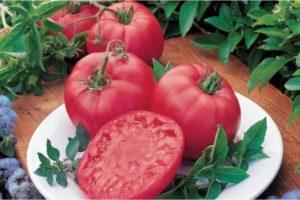
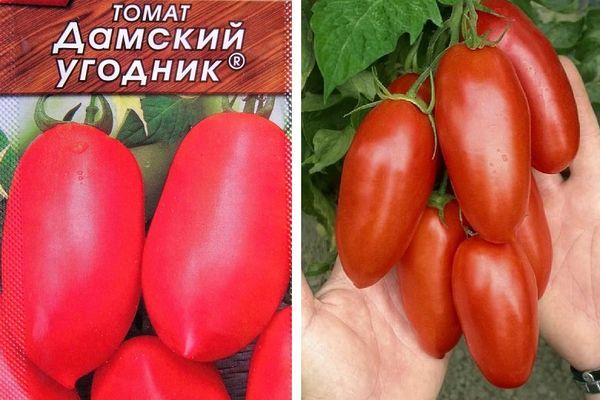
- A description of the fruit's shape indicates that the Damsky Zamkov fruit resembles an elongated cylinder. The skin is thin and smooth, turning yellow as the berries ripen. The fruit does not crack during transportation or mechanical damage.
- The berry weight ranges from 0.1 to 0.15 kg. When grown outdoors, the fruit yields more, but their weight is minimal. If grown in a greenhouse, the berry weight will range from 0.14 to 0.15 kg.
Reviews from gardeners who have planted this variety indicate that the yield of this "ladies' man" reaches 8-10 kg per square meter of garden bed. Due to its early ripening, the tomato is not susceptible to late blight, but it can be susceptible to bacterial or fungal infections. Diseases such as gray mold and tomato mosaic virus are also dangerous.
The Ladies' Man is eaten fresh and used in salads. The fruits are suitable for canning, and for producing tomato paste and juice. Scientists have discovered that the berries contain various vitamins and substances essential for human development. Therefore, the Ladies' Man is given to children and patients who are prohibited from eating other tomato varieties.
How to grow seedlings in your own backyard?
After purchasing seeds, they should be treated with a potassium permanganate solution or aloe vera juice. This will strengthen the immunity of future plants and help protect the seed stock from certain diseases that are dangerous to nightshade crops.
To ensure proper seed germination, the soil must be prepared. It shouldn't be too acidic. Therefore, it's recommended to use tomato soil, which is available in specialty stores.
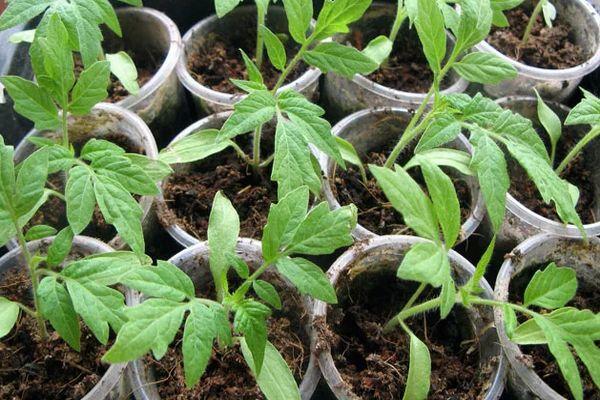
To plant seeds, select containers with a diameter of 15 cm and fill them with a mixture of soil, peat, and sand in equal proportions. It is recommended to treat the homemade soil with a weak solution of potassium permanganate. The seed should be planted no deeper than 20 mm in the container.
The distance between individual seeds should be at least 15 mm. After sprouts emerge, 5-7 days later, it is recommended to water them with warm water and then add organic fertilizer (manure, peat) to the soil. When the seedlings develop 1-2 leaves, they are pricked out.
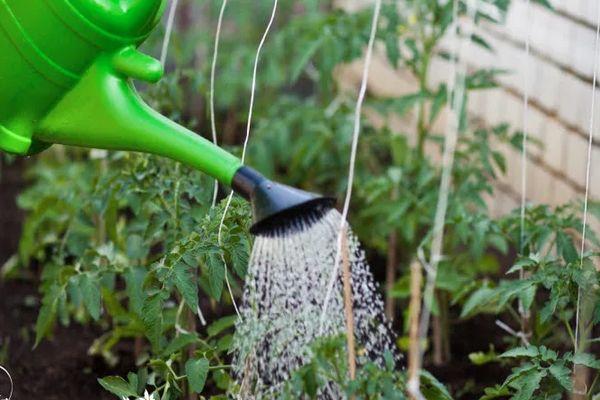
They are transferred to permanent soil when the seedlings are 55-65 days old. They can be hardened off for 7 days beforehand, but since the "Ladies' Man" tolerates sudden temperature changes well, this step can be skipped. The bushes are planted in a 0.5(0.6) x 0.6 m pattern. The optimal time for this step is the second and third ten days of May.
Caring for tomatoes
After planting the seedlings in permanent soil, remove any excess side shoots (side shoots). This method can increase tomato yield by 20%.
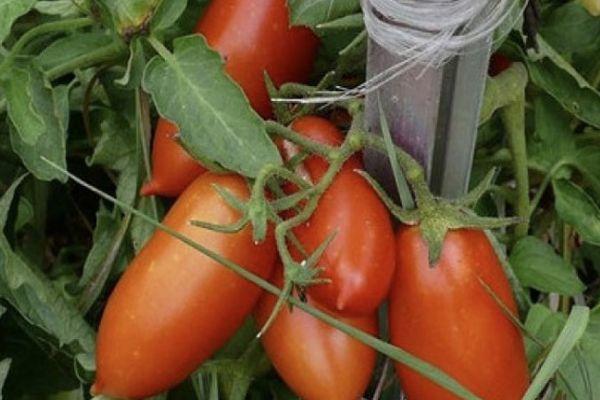
The bushes need to be watered 1-2 times a week. If the weather is hot or drought is expected, the frequency of watering should be increased. Warm water, settled in the sun, should be used for this purpose. Watering is recommended before sunrise or after sunset.
Weeding the beds is necessary to remove weeds that can infect tomato plants with various diseases. This is done 1-2 times a week. Loosening the soil helps provide oxygen to the plant's root system and kills insect larvae that parasitize tomato roots.

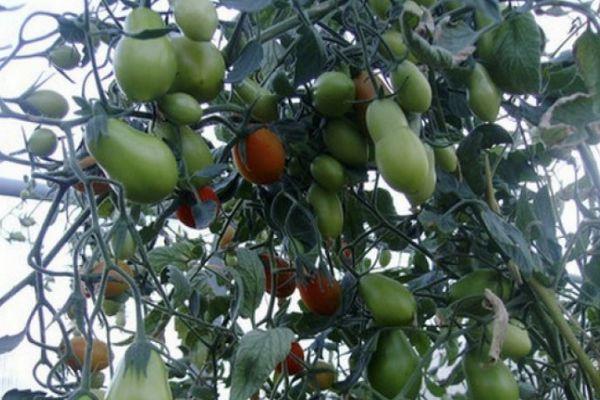
Another method of pest control is soil mulching. This is done using fly ash or straw. These measures not only eliminate insects but also help repel slugs.
Plants are initially fertilized with nitrogen and organic fertilizers. Once flowering begins, the bushes are fed with potassium nitrate and organic matter. After fruiting, it is recommended to feed the tomato plants with phosphorus and potassium mixtures.
If aphids, Colorado beetles, or other dangerous insects appear on the leaves of the Ladies' Man, they can be destroyed using folk remedies (copper sulfate, soapy water) or by using chemical poisons, which can be purchased at the store.
Related posts:
 The best eggplant varieties for growing in a polycarbonate greenhouse: planting and care
 TOP 20 best varieties of indeterminate cucumbers with descriptions
 The best grape varieties for growing in the Urals, planting and care rules in summer
 Methods for planting and propagating cherries at home
 Description of the best tomato varieties for pickling and canning
 Description of varieties of sowing peas and cultivation, to which family they belong
 Causes and treatment of eggplant pests and diseases, how to combat them at home
 Carrot care guidelines for outdoor cultivation to ensure a good harvest