
The King Penguin tomato is a hybrid developed by specialists from several countries. This variety is intended for open-air cultivation in warm climates. In Russia, it can be grown in plastic greenhouses and hotbeds. Tomatoes of this variety ripen almost simultaneously on all vines. The tomato is highly resistant to cracking, making it suitable for long-distance transport. The fruits have a long shelf life. They are eaten fresh, processed into tomato paste, and preserved whole for the winter.
Some data about the plant and its fruits
The characteristics and description of the King Penguin F1 variety are as follows:
- The growing season from the first shoots to harvest lasts no more than 118 days.
- This variety produces bushes up to 120-150 cm tall. Each bush produces a truly magnificent harvest, as up to 12 fruit-bearing clusters form on each bush.
- The plant's leaves are medium-sized and dark green. Inflorescences appear every two leaves.
- Tomatoes of this type are resistant to various diseases of nightshade crops.
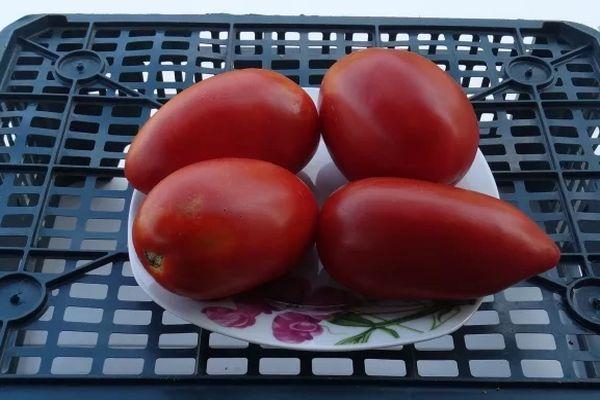
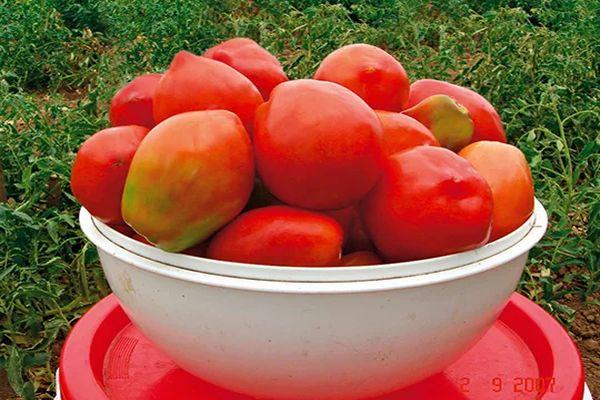
- The hybrid's fruits are slightly elongated. They weigh between 180 and 200 grams. The flesh is quite firm. Unripe berries are green, changing color toward the stalk. Mature fruits are vibrant shades of red.
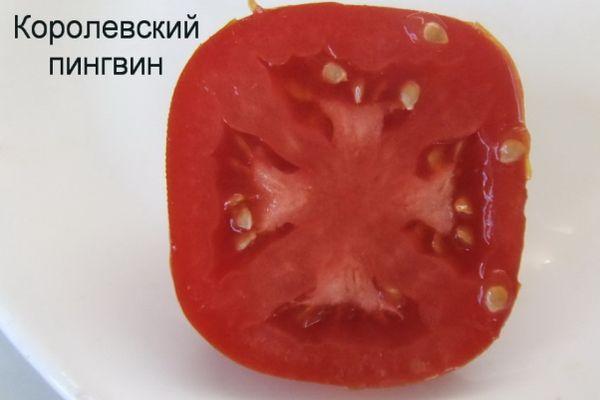
- Inside the berries there are 3 or 4 seed chambers, but there are few seeds themselves.
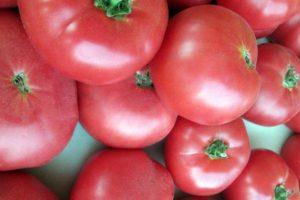
Gardeners' reviews show that the King Penguin is a true king of the garden, with virtually no drawbacks. The plant is resistant to many garden pests. The variety yields 3 to 5 kg of berries per bush. Due to the heavy fruit (experienced gardeners estimate that they can reach 400 g), the plants need to be tied to stakes. Otherwise, the branches will break. Most farmers train the bush with 2-3 stems.
Despite its disease resistance, the hybrid is often affected by late blight. To prevent the disease, it is recommended to treat the tomato plants with Oxychom before flowering. After flowering, spray the plants with Acrobat. During ripening, the hybrid should not be treated with any chemicals. If signs of disease appear on the stems and leaves, treat the tomatoes with organic products. To combat fungal infections, water the hybrid with Bordeaux mixture.
How to grow this variety in your own backyard?
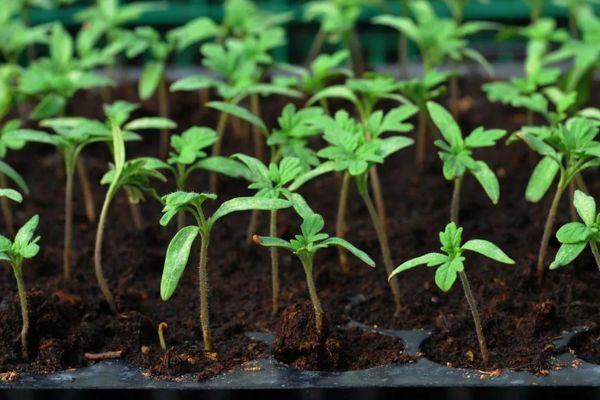
Seedlings are grown from seeds pre-treated with hydrogen peroxide or potassium permanganate. They are sown in trays with special tomato soil in March or April. After the seedlings emerge, they are divided into individual containers. The seedlings are watered with warm water and fertilized with manure or peat. Nitrogen-containing fertilizers can also be used.
When the seedlings develop 6-7 leaves, they can be transplanted into open ground. A distance of 0.4 m between the bushes is recommended. The hybrid's planting pattern is 0.5 x 0.4 m. The soil in the beds should warm to 24 to 26°C.
Watering should be done once a week, but the volume of liquid used should be large. Watering should be increased during flowering or when the first fruits appear.
It is recommended to loosen the soil once every two weeks. This hybrid's root system is quite robust, ensuring the bushes receive the necessary amount of oxygen from the soil. Weeding is necessary to prevent the spread of garden pests to the crops. This procedure is performed once every 15 days.
Tomato bushes should be tied with wide ribbons to avoid damaging the stems. This step is not necessary, but if the bushes produce a large number of fruits, it's best to place sturdy supports under the tomato branches.
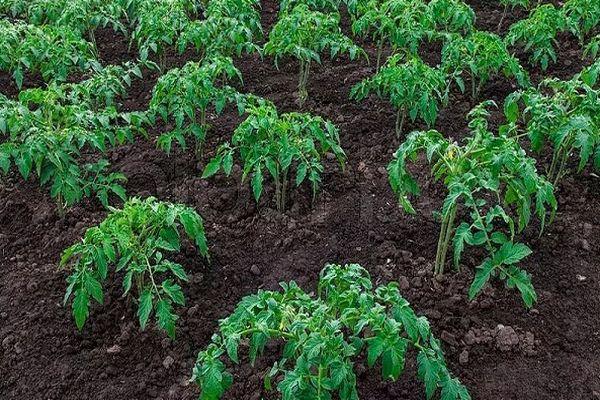
To combat root-dwelling insects, mulch the soil. This will also protect the bushes from fungal infections.
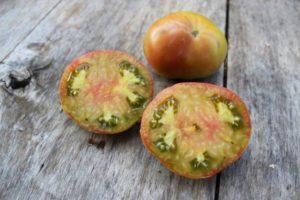
It is recommended to apply complex fertilizers every 8-10 days. This frequency of application of essential nutrients to the soil ensures maximum yield. If complex fertilizers are unavailable, use organic fertilizers containing potassium, nitrogen, and phosphorus instead.
Although the King Penguin can withstand a variety of garden pests, growers should closely monitor the plant for insects on its leaves. At the first sign of pest danger, it is recommended to use copper sulfate or chemical pesticides (but not during the fruiting period).
If the fruits have already appeared, then to destroy the insects, use a soap solution or collect them by hand and then destroy them outside the area. To eliminate slugs that have appeared, you need to treat the soil under the bushes with wood ash.
Related posts:
 Carrot care guidelines for outdoor cultivation to ensure a good harvest
 When and how to properly transplant tomato seedlings, the best days in 2025
 The best grape varieties for growing in the Urals, planting and care rules in summer
 How to properly plant peas in a greenhouse and open ground
 Growing and caring for hazelnuts in open ground, rules for planting hazelnuts
 The best eggplant varieties for growing in a polycarbonate greenhouse: planting and care
 Characteristics and description of the Sprut tomato variety, yield and cultivation
 Growing cherry tomatoes in a greenhouse and open ground, when to plant seedlings