
The Red Dome f1 tomato was bred by Russian specialists. It can be grown outdoors and in greenhouses. This variety has a fairly thick skin, so it rarely cracks during long-distance transport. It is eaten fresh, added to various salads, and pickled. This tomato makes a good ketchup. Due to its high dry matter content, the Red Dome tomato cannot be used in juices or sauces.
Some information about tomato
The characteristics and description of the variety are as follows:
- The plant belongs to the group of early-ripening hybrids. After planting, it takes 95 days to harvest a full crop.
- The hybrid bush reaches a height of 0.7-0.85 m. The stem bears a medium number of green leaves. The plant's low stature allows it to be successfully grown in the northern regions of Russia.
- Fruit weight ranges from 0.16 to 0.21 kg.

Reviews from gardeners growing this hybrid indicate that, if all expert recommendations are followed, up to 18 kg of berries can be harvested per square meter of garden bed per season. Gardeners are able to obtain 2.6-3 kg of fruit from each bush. Farmers note that the hybrid can be stored for a long time in a cool place.
This tomato variety is resistant to most diseases that affect nightshade crops. However, in cool and rainy weather, the Red Dome is often susceptible to fungal diseases. Therefore, gardeners should closely monitor for signs of infection and then take appropriate measures.

In southern Russia, tomatoes are planted directly in open ground. In central Russia, the hybrid can be grown in unheated greenhouses. In Siberia and the Far North, it is recommended to use well-heated hotbeds and greenhouse complexes for growing this crop.
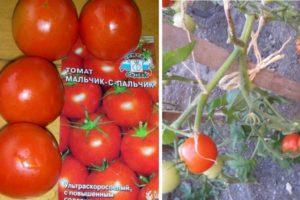
Growing seedlings yourself
The seeds are treated with disinfectants and then planted in boxes with soil. This usually happens in early March. The seeds are buried 10-20 mm into the soil and covered with glass. After the first sprouts appear, they are fed with peat or manure. If fertilizer is available, it is recommended to feed the seedlings with nitrogen mixtures. Water the seedlings once a week with warm water. When one or two leaves appear on the sprouts, the plants should be pricked out.

Before transplanting them into the ground (this happens in mid-April), the beds should be dug over and mixed with a complex fertilizer. The bushes are planted in a 0.5 x 0.5 m format. After this, the plants are watered moderately with warm water.
If a farmer has planted seedlings in open ground, it is recommended to cover the bushes with a warm material to protect them from a sharp drop in temperature at night.
Caring for a growing hybrid
Tomato plants need to be watered once every 1.5-2 weeks. Warm, sun-settled water is poured under the roots of the tomato plants, being careful not to wet the leaves, as this will cause sunburn. Fertilize the plants 4-5 times per season. Initially, nitrogen and potassium fertilizers are used, followed by complex mixtures.

Hilling and loosening the beds improves tomato plant immunity and accelerates growth. This is due to the supply of additional oxygen to the plant roots. This also helps eliminate certain insects and their larvae that infest the root system of the tomato plant.
Weeding the beds eliminates fungal infections and prevents garden pests that live on weeds from spreading to cultivated plants.
To eliminate the risk of late blight, preventative measures are taken. Bushes are treated three times with products such as Fitosporin. After each treatment, wait 10 days and then apply the product again. If the disease has spread, other treatments will need to be used.
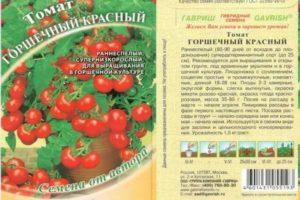

Red Dome can be susceptible to damage from garden pests. When a farmer notices aphids, Colorado potato beetles, mites, other insects, or caterpillars on the leaves and stems of bushes, they must be exterminated to preserve the plants and ensure a productive harvest. Various chemicals are used for this purpose. These chemicals can be purchased at stores that sell agricultural equipment and fertilizers.
If chemicals are not possible (for example, because the gardener wants to produce an organic product), it is recommended to control pests with copper sulfate, soapy water, or herbal infusions and decoctions. If slugs appear in the garden, use ground ash to repel or kill them. This substance is applied to the roots of tomato plants.
Related posts:
 When and how to properly transplant tomato seedlings, the best days in 2025
 Causes and treatment of eggplant pests and diseases, how to combat them at home
 Description of varieties of sowing peas and cultivation, to which family they belong
 Description of the Red Coal tomato and its cultivation using seedlings
 Description of the tomato variety Sushka f1 and growing using seedlings
 The best eggplant varieties for growing in a polycarbonate greenhouse: planting and care
 Description of the unusual tomato variety Striped Chocolate and its cultivation using seedlings
 Growing and caring for hazelnuts in open ground, rules for planting hazelnuts