
The Sushka f1 tomato belongs to a group of mid-season hybrids. It's ideal for greenhouse cultivation and tolerates long-distance transportation well. Hybrid varieties can be eaten fresh. The fruits are used in salads, and the berries are also canned for winter preservation.
Some information about the plant and its fruits
The characteristics and description of the variety are as follows:
- It takes 110-120 days from planting seedlings to harvesting a full crop. The exact timeframe for seed harvesting depends on the climate in the gardener's region.
- The height of the plant's bushes ranges from 170 to 200 cm. Therefore, the hybrid needs to be tied to sturdy stakes or trellises. If the tomato branches have produced a large number of fruits, each individual branch may need to be tied up.
- The tomato has leaves that are colored in dark shades of green.
- The plant is resistant to diseases such as fusarium wilt, tobacco mosaic virus, and cladosporiosis.
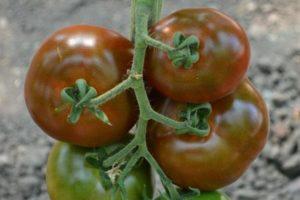
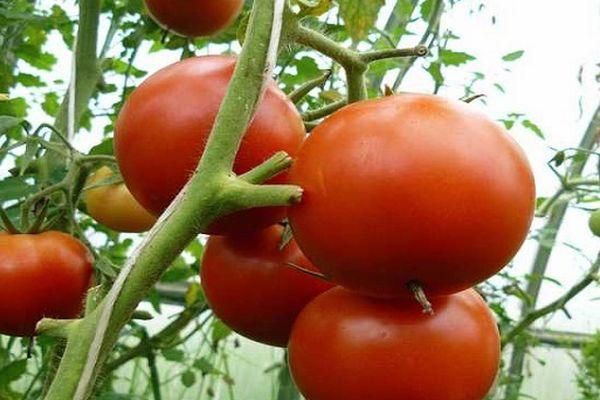
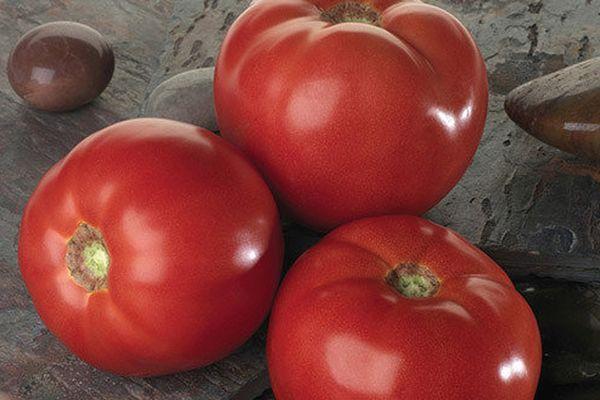
- The plant's fruits are spherical. Six to eight berries form on a single cluster. Their weight ranges from 0.11 to 0.13 kg. The fruit contains fleshy pulp and juice. The berries, dried for three months, are used to obtain seeds.

Reviews from farmers growing this tomato indicate that each hybrid bush can yield 6 to 7 kg of fruit. Tomato cultivation is widespread throughout Russia, as greenhouses are available throughout the country.
Growing from seedlings yourself
The seeds are treated by the manufacturer, so they don't require disinfection or stimulation. Seedlings are harvested between late February and mid-March.
The seeds are sown in individual containers filled with special tomato soil. The containers are covered with glass. After the first sprouts appear, the seedlings are moved to a brighter location.
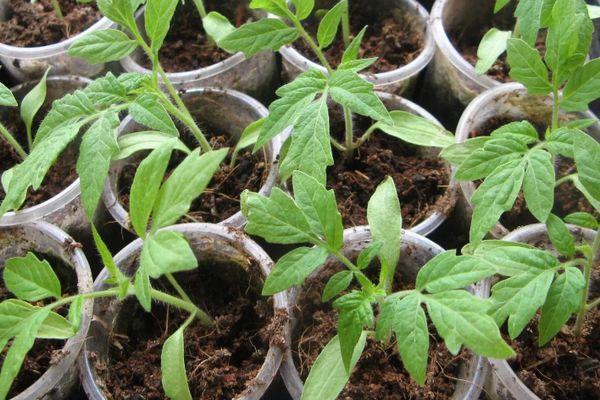
Water the seedlings with warm water once every 5-6 days. Feed the young plants with mineral and organic fertilizers. After 1-2 leaves develop, transplant the seedlings. Transfer the plants to the garden beds in early to mid-May, once the threat of a sharp cold snap at night has passed. The planting format for each bed is 0.4 x 0.6 m. With this planting format, there are 3 to 4 stems per square meter of bed.
It is advisable to transplant the tomato into soil where zucchini, various varieties of cauliflower, carrots, hybrid cucumbers, parsley or dill previously grew.
Before transplanting tomatoes, the soil in the beds is disinfected with a potassium permanganate solution, loosened, and nitrogen and organic fertilizers are added. After planting, the plants are watered with warm water, and stakes are installed near the bushes for subsequent support. Tomato shoots are trained into a single stem. It is recommended to remove side shoots weekly and remove all lower leaves. To reduce the height of the bushes, pinch off the growing points at the end of the growing season.

Caring for growing tomatoes
The soil in the beds should be loosened once a week to aerate the tomato plant's root system. If the farmer prefers not to loosen the soil, they can mulch the soil, which will both aerate the roots and eliminate the risk of fungal and bacterial infections in the soil. This procedure also helps kill parasites that infest the tomato plant roots.
Weeding is recommended once or twice every 15 days. This preventative measure prevents the spread of fungal diseases that can spread from weeds to crops. Along with the weeds, some garden pests die, which use weeds as a breeding ground and then attack tomatoes.
It is recommended to water the bushes with warm water. Choose early morning or wait until sunset for this application. This variety tolerates heat well, but during prolonged drought, it is recommended to double the watering frequency.
The bushes are fertilized 32 times throughout the season. Initially, organic or nitrogen-based fertilizers are used. Once flowering begins, the plants are switched to nitrogen and potassium mixtures.
After the first fruits form, the hybrid should be fed with phosphorus and potassium fertilizers. The tomato responds well to universal mineral fertilizers.
To prevent diseases, spray the plants with products that kill fungi and bacteria. If a farmer notices Colorado beetles, aphids, or other insects on tomato leaves, it is recommended to use folk remedies (such as soap solution or copper sulfate) or commercially available chemical pesticides to kill them. If slugs appear, they can be repelled from tomato plants by adding wood ash to the soil.
Related posts:
 Causes and treatment of eggplant pests and diseases, how to combat them at home
 When and how to properly transplant tomato seedlings, the best days in 2025
 Growing and caring for hazelnuts in open ground, rules for planting hazelnuts
 Description of varieties of sowing peas and cultivation, to which family they belong
 The best grape varieties for growing in the Urals, planting and care rules in summer
 Description and rules for growing Solaris grapes
 The best eggplant varieties for growing in a polycarbonate greenhouse: planting and care
 Characteristics and description of the Sprut tomato variety, yield and cultivation