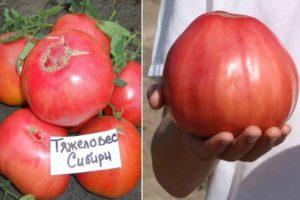
The Orange Elephant tomato is a hybrid variety. It stands out from other varieties due to its bright orange color. It can be grown in greenhouses and open ground, in both northern and southern regions. However, the Orange Elephant variety was developed for areas with harsh climates.
Description of the Orange Elephant variety
The characteristics and description of the variety indicate that this type of tomato has many advantages, among which it is worth noting:
- Contains a large amount of vitamins, including carotene, A, and C. All these elements are necessary to maintain the body's immune system, bones, vision, and skin in excellent condition.
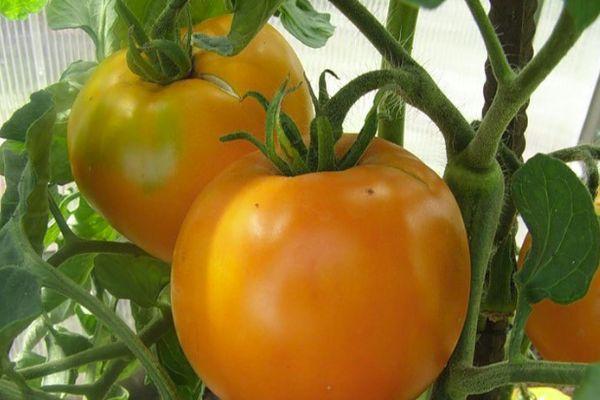
- The tomatoes are large in size and their shape resembles an elephant's head.
- The height of the bush can reach 1 m.
- The yield is low, since up to 7 fruits ripen on one bush at the same time.
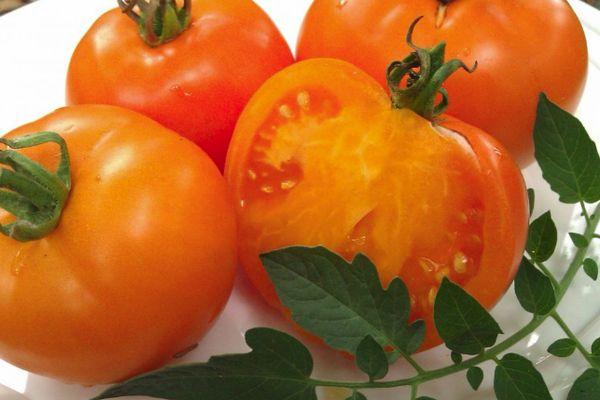
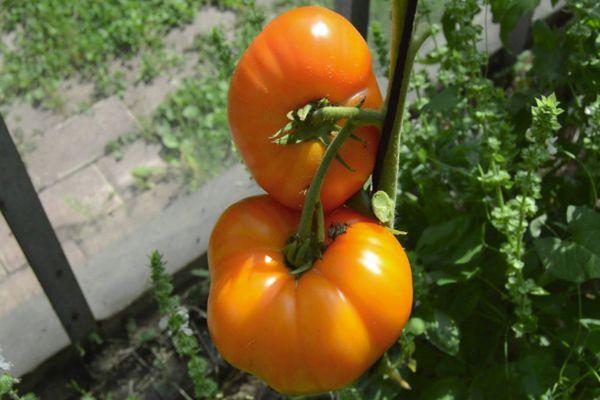
- The fruits are distinguished by their fleshiness and uneven shape.
- The tomatoes have a sweet taste and the fruits are juicy.
- One tomato can weigh up to 300 g.
- The Orange Elephant is not afraid of frost, so gardeners do not refuse to grow this variety on their plots.
But if you want to grow tomatoes for more than just salads, it's worth planting more plants at your dacha. The low yield is offset by early ripening and large fruits.
How to grow Orange Elephant tomatoes?
Reviews from people who grow this variety themselves indicate that the process is quite straightforward. Orange Elephant is planted in the ground as seedlings, for which you need to purchase seeds from a specialist store.
Those who have planted this variety recommend placing the containers with the planted seeds on a windowsill. Some place the plants on the balcony to harden them off.
Tomatoes should be planted in well-watered and fertilized soil, either in open ground or in a greenhouse. Before planting, the soil should be dug, fertilized, and clay removed. This will ensure a high yield. Orange Elephant grows very poorly in acidic and clayey soil, producing only a small number of fruits per bush.

When planting, carefully measure the distance between plants. Typically, no more than two plants are placed per square meter. This will ensure each plant receives sufficient light and nutrients from the air and soil.
The Orange Elephant requires careful care to achieve a healthy yield. Factors that influence this include:
- timely watering;
- implementation of top dressing;
- weeding bushes.
Important! If tomatoes are planted in a greenhouse, it needs to be ventilated daily. Opening windows and doors will help remove excess moisture.
Water at least twice a week. It's important not to overwater tomato plants. Otherwise, the root system will rot, which will kill the plant. Therefore, you need to water carefully, right at the roots. Spray the leaves. Use only clean, room-temperature water, which should sit for several days. Experienced gardeners recommend filling a barrel or canister with water in advance and then applying it to the leaves with a sprinkler.
Fertilizing the soil around the bushes should be done not only before planting but also during fruit ripening. Fertilizer is applied at or near the roots. Typically, compost, chicken manure, manure, ammonium nitrate, nitrogen, and minerals are used. All fertilizers are recommended to be applied either in the evening or early morning.
Caring for Orange Elephant tomatoes requires constant weed control. Weeds must be eliminated at the root to prevent them from robbing the soil of beneficial minerals.
Special attention should be paid to pest control. To do this, the foliage can be sprayed with a weak solution of potassium permanganate, soap, and garlic.
Fungal infections are eliminated by removing leaves or branches to prevent the disease from spreading to the entire bush. To promote growth, the soil around the bushes should be loosened.
Related posts:
 Description and characteristics of the Pink Elephant tomato variety, yield and cultivation
 Description of Sugar Elephant tomatoes and characteristics of the fruits
 Description of the large beef tomato Orange Giant and the growing features of the variety
 Description of the delicious and beautiful Orange Russian tomato variety
 50 Best Pumpkin Varieties with Descriptions and Characteristics for Outdoor Planting
 Description of the exotic tomato variety Banana Orange and growing it in the garden
 Is it possible to plant carrots in July or at the end of June? What are the best days and care instructions?
 Is it possible to grow an apricot tree from a seed in your garden? How to plant and care for it?