
When choosing tomatoes, farmers and gardeners look for qualities such as bush height, ripening time, and fruit size. Siberian Heavyweight has remained popular for years, although this variety typically doesn't produce a bountiful harvest. However, thanks to its substantial, tasty tomatoes and easy-to-care-for plant care, Siberian Heavyweight remains one of the most popular.
Description of the variety
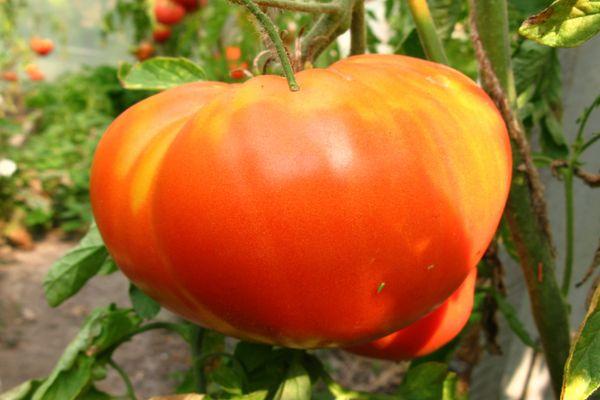
This early-ripening plant produces large fruits (up to 900 grams). It is grown both in greenhouses and in the open field. The Siberian Heavyweight tomato has gained recognition for its good fruiting at low temperatures. Optimal conditions for this variety to produce excellent yields are recorded at 28–30°C. Interestingly, higher temperatures result in a decrease in tomato yield.
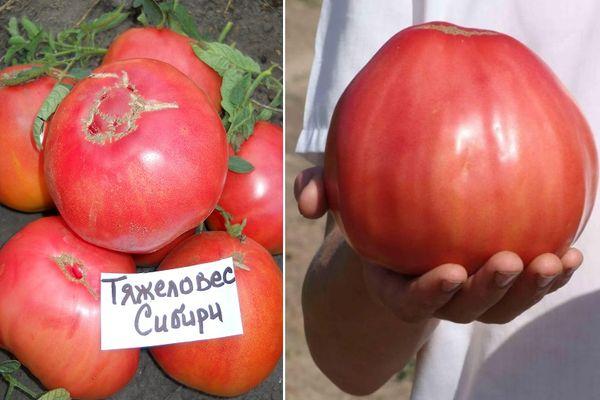
The plants' yields are average. The maximum yield is 10-11 kg per square meter, with a single plant yielding up to 3.5 kg. This shortcoming is offset by the amazing taste of the resulting fruit. This quality is what attracts gardeners.
This Siberian heavyweight is classified as a low-growing garden crop. When grown in greenhouses, the plants reach 80–100 cm in height; in open ground, they reach a maximum of 70 cm. The bushes have medium-sized, dark-green foliage.
Growing
Despite their short stature, the plants require staking. This is because the fruits grow large and can tip the bushes over. There's also a high risk of breakage of the clusters. Therefore, experts recommend staking both the bushes and the fruit. Supporting branches can be placed under the clusters to protect the tomatoes.
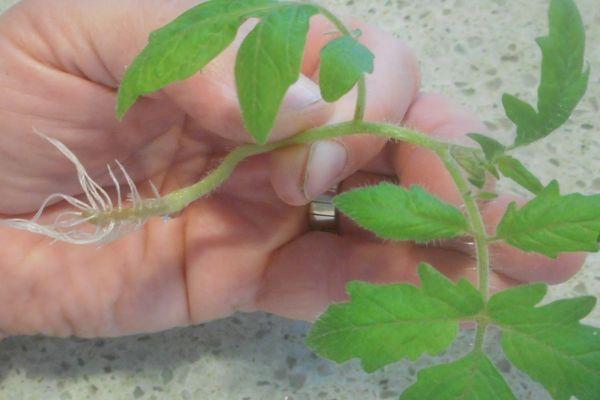
Pinching out side shoots as a way to ripen large tomatoes isn't an essential growing practice. However, gardeners still sometimes resort to this procedure, removing some side shoots to form bushes with 2-3 stems.
You can harvest Siberian Heavyweight seeds yourself. However, you should replenish your supply every five years, as the seeds gradually lose their characteristic traits.
To ensure tasty and high-quality tomatoes, you need to choose the right planting site. The soil should be neutral, fertile, loose, and well-drained, otherwise the tomatoes will become more acidic.
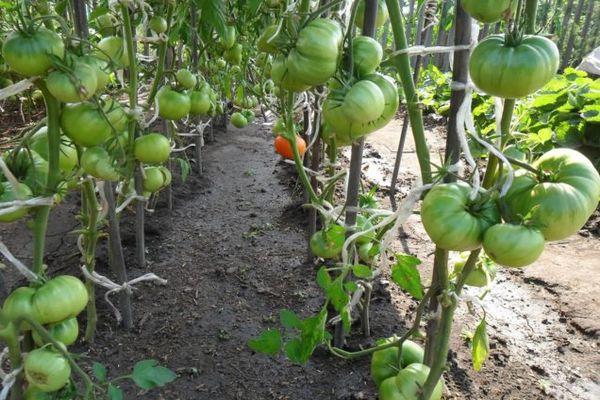
Important! Plant heavyweights at a ratio of 4-5 plants per 1 m². This rule must be strictly adhered to, as too close planting will inevitably lead to a reduced yield.
Before planting, to disinfect the Heavyweight seeds, soak them in a weak solution of potassium permanganate for 2-3 hours. Then soak them in warm, settled water for 24 hours, to which you can add a root growth stimulant.
Tomato seeds are sown 65 days before transplanting the seedlings into the garden soil. First, a two-centimeter drainage layer is placed in the boxes, then room-temperature soil is added. It is not recommended to plant the seeds deeper than 2 cm, otherwise the fragile seedlings will not be able to emerge. Good growth is achieved at temperatures of 23–25°C and humidity no higher than 40–50%. Pricking out is done when 2–3 developed leaves appear. Regular watering and loosening of the soil are essential.
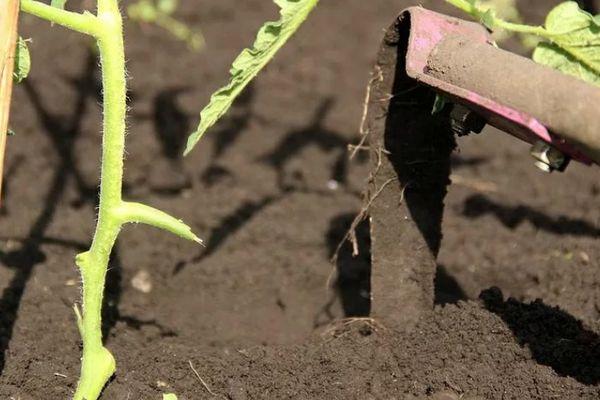
Heavyweight seedlings are planted starting in mid-April if the greenhouse is heated; otherwise, from mid-May. Outdoor tomatoes can be planted only starting in early June. If planting is delayed, the plants will not stretch or become overgrown, unlike other varieties.
Care Features
After planting, the bushes need to be watered regularly, fertilized promptly, weeded and removed from greenhouses, and pest and infection prevention measures should be carried out. If necessary, side-shoots and buds can be removed to increase the tomato yield.
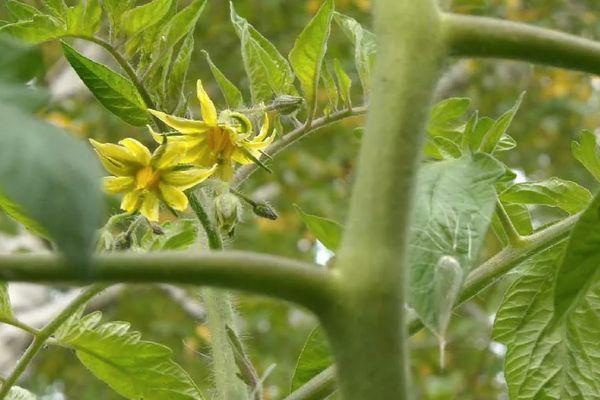
When pruning, excess ovaries are removed. No more than 10 ovaries are left on a single bush, allowing tomatoes to grow up to 900 grams. This is because micronutrients are used only for the ripening of giant fruits.
Important! As soon as the first fruit buds appear on the bushes, nitrogen fertilizers should be replaced with fertilizers containing potassium and phosphorus.
Advantages and disadvantages
The Heavyweight Siberian tomato variety is a favorite among gardeners due to the following positive qualities:
- early ripening;
- large fruits;
- plant growth even in unfavorable climatic conditions for other varieties;
- tolerance to low temperatures;
- disease resistance;
- growing crops outdoors and in greenhouses;
- ease of planting and subsequent care of the bushes;
- the harvest does not spoil for a long time.
Despite the fact that the Heavyweight has such wonderful advantages, it has the following negative aspects:
- crop yields are at a low level;
- an increase in temperature to +30–35 ˚С leads to a sharp decrease in the number of fruits.
Pests and diseases
Due to their short stature, the plants are often susceptible to root rot. Experts recommend following a proper tomato planting pattern, promptly removing the bottom 2-3 leaves, and promptly removing weeds from the garden.
To prevent late blight, spray the plants with potassium permanganate (2 grams per 12 liters of water) 20 days after planting, and then after 2 weeks with a solution of copper sulfate (100 grams of copper sulfate and lime per 12 liters of water).

Tobacco mosaic virus can be prevented by soaking seeds for half an hour in a potassium permanganate solution before planting. To do this, dilute 10 grams of the solution in 1 liter of water.
Harvesting and storage
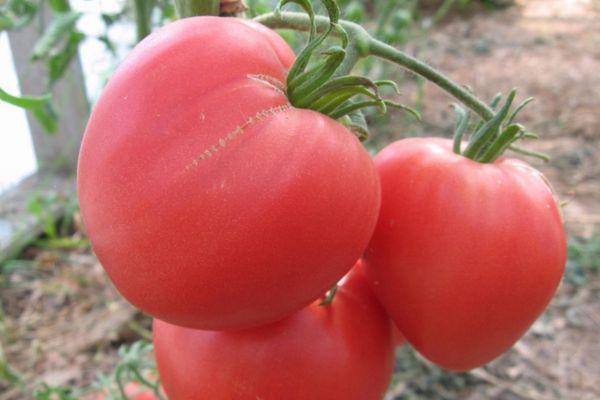
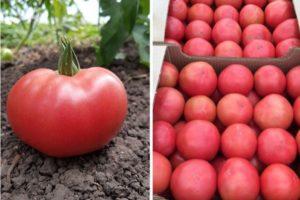
The tomatoes grow heart-shaped and are predominantly pink. Their flesh is juicy and meaty with a sweet flavor. The skins do not crack during ripening.
Tomatoes are stored in clean wooden crates. Dry, undamaged tomatoes are packed tightly into them. They are then covered with a lid that does not press on them. The crates are placed in a cool, ventilated, and unoccupied area. These conditions will keep the tomatoes for up to two months.
The harvest preserves well when transported over short distances. If the fruit is planned for long-distance transport, it is recommended to pick it unripe.
Gardeners' reviews
Alena, 34 years old, Kemerovo:
"Last year, I grew this variety in a greenhouse. The bushes grew tall, almost reaching the roof! I rarely removed side shoots, and I didn't have to do any maintenance since I didn't go to the dacha very often. The tomatoes grew to about 500 grams. My family devoured them, they tasted amazing! I'll definitely be planting this same variety this year."
Ekaterina, 55 years old, Perm:
"This Siberian heavyweight has been my favorite for about three years now. The bushes don't require constant tending, and the fruit is large. I don't pinch off any side shoots, just place branches under the clusters. I always plant 12-14 bushes. The tomatoes don't crack. I pick them all whole and even. The flavor is very sweet."
Svetlana Ivanovna, 53 years old, Lebedino village:
"I've been planting Heavyweight for years. I harvest the seeds myself. The variety itself is wonderful. It doesn't require much fuss. I use mullein as fertilizer. My harvest is always excellent. My large family eats everything, and there's not enough for canning."
Dmitry, 35 years old, Krasnoyarsk:
"About two years ago, our neighbors at the dacha advised my wife and I to plant 'Tyazheloves' and gave us their seeds. We planted them the following year. The plants required minimal care. The tomatoes ripened quickly and had excellent flavor. I recommend this variety to everyone!"
Siberian Heavyweight has many excellent advantages: early ripening, heavy fruit, and excellent flavor. However, it doesn't tolerate heat well and breaks easily due to the weight of its tomatoes. Numerous reviews from those who have planted it indicate that this variety requires little care and produces a decent harvest.
Related posts:
 Description and characteristics of the 50 best raspberry varieties for Siberia
 Guidelines for growing peanuts outdoors in Siberia
 Description and characteristics of the 25 best blackcurrant varieties for Siberia
 Description of clematis varieties for Siberia, planting and care, pruning and shelter
 Description of 30 grape varieties for Siberia, planting and care for beginners
 When to plant cucumbers in open ground in Siberia, how to grow them, and the best varieties
 How to grow tomatoes in Siberia and choose the right variety, planting, and care
 Rules for growing and caring for melons in Siberia in open ground