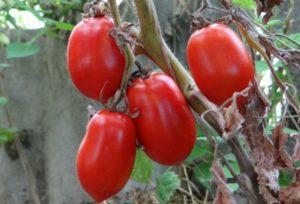
The Pink Angel tomato is an early-ripening variety. The period from seeding to full maturity is 95 to 100 days. It is ideal for outdoor cultivation.
Characteristics of the variety
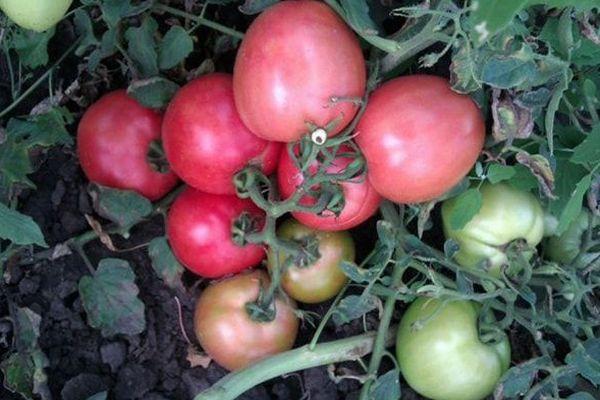
The description of the variety should begin with the fact that Pink Angel has high immunity to various diseases and, thanks to its early ripening, is resistant to late blight. This variety is low-growing, rarely exceeding 60 cm in height. The fruits are round, pink, and have a pleasant flavor.
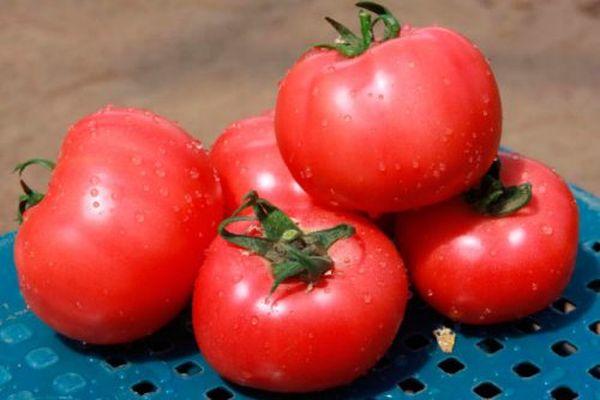
The tomatoes weigh between 80-100 g. Despite their softness and thin skin, they withstand long-distance transportation well and also store well in suitable conditions. This variety is best suited for fresh eating and pickling.
The main positive qualities of tomatoes:
- Fast maturation.
- Unpretentious and does not require special care.
- Disease resistance.
- The yield is about 5 kg per bush.
No serious negative qualities have been identified for this variety.
Growing seedlings
The most important rule for growing seedlings is to sow the seeds 55-60 days before planting them outdoors. The timing is calculated individually for each region. The best time for planting seedlings outdoors is mid-May. The air temperature should not fall below 15°C.
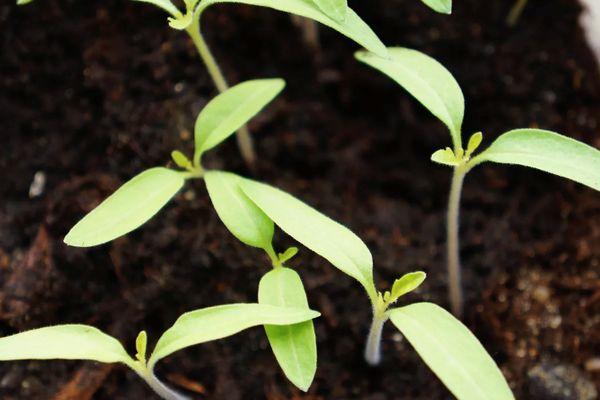
How to grow seedlings:
- For a larger harvest, experienced gardeners recommend soaking seeds in a wood ash solution for 20 minutes before planting. Afterward, thoroughly dry the seeds and plant them in a container.
- Seedlings need good lighting - at least 14 hours a day.
- Water moderately as the soil dries out. Avoid overwatering or allowing the soil to dry out.
- If necessary, seedlings can be fed with growth-stimulating preparations.
- After the second leaf emerges, the seedlings are placed in separate containers. When transplanting into pots, the plant's roots are buried 1/3 deep, ensuring that the distance from the soil to the leaves is no more than 1 cm.
- Two weeks before planting outdoors, the seedlings should be hardened off. To do this, they are brought outside, gradually acclimating them to the wind and sun.

Before planting seedlings in the soil, pay attention to their condition. For example, if the seedlings' leaves have turned yellow, they are deficient in calcium. To remedy this, dissolve one cup of wood ash in 10 liters of water and water the seedlings with the resulting solution, exclusively at the roots. It's best to do this early in the morning.
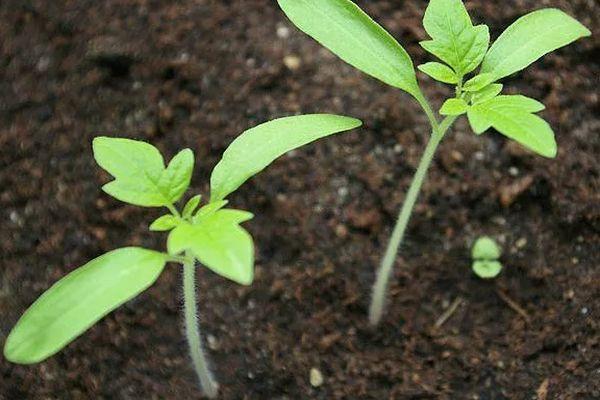
If the leaves have turned brown or purple, this may indicate a phosphorus deficiency. Fertilizing with superphosphate will help correct the problem.
Caring for the variety
When the time comes, the seedlings are planted in open ground. The distance between rows should be at least 50 cm, and between bushes – 40 cm. Tomatoes should be planted in sunny, wind-free areas.
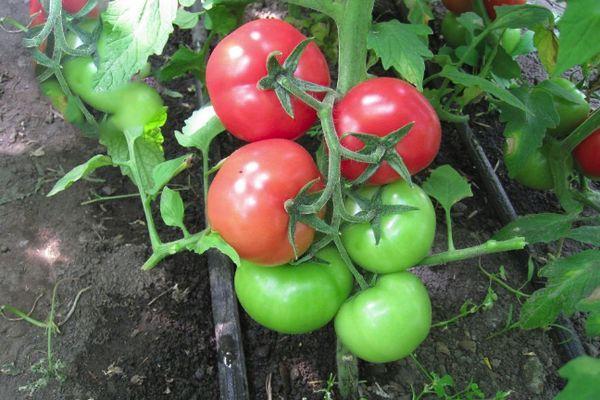
Caring for tomatoes includes:
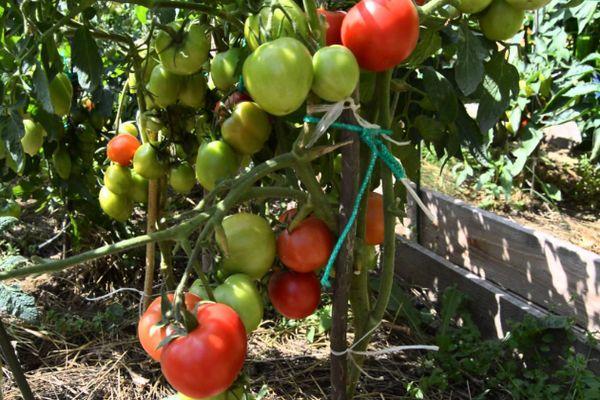
- Staking. Despite the low growth rate of the bushes, the weight of the fruit can cause them to break off. In this case, it's necessary to install a support and tie the bushes.
- Proper watering. Water tomatoes only at the roots, avoiding contact with the leaves. Water in the evening with warm, settled water.
- Fertilizing. Fertilizing is recommended seven days after planting, during bud formation and fruit ripening. It's best to avoid nitrogen fertilizers. Nitroammophoska is considered the best option.
- Loosen the soil after each watering.
- Protect the plant from sudden temperature changes. To do this, use a 5-liter plastic bottle to cover the bushes. Cut small windows in it to facilitate air circulation.
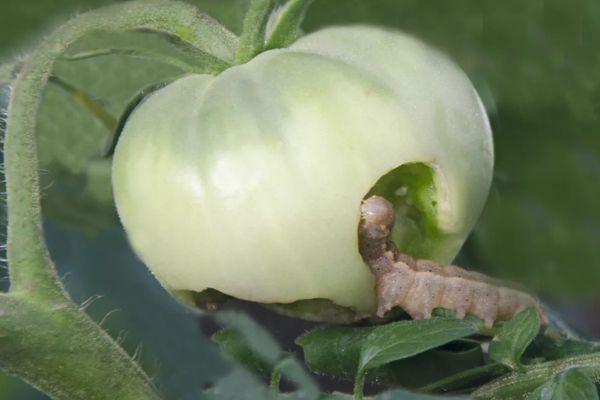
The only problem that may arise when growing the plant is caterpillar attacks. They usually become active at night, devouring the bushes that have just begun to form. To get rid of pests, you should treat the bushes with insecticides. As a last resort, the caterpillars can be collected manually.
Tomato Reviews
The Pink Angel tomato has received mostly positive reviews. Its obvious advantages include its low maintenance, disease resistance, and quick ripening period. Furthermore, it has a pleasant flavor, is versatile in use, and is easy to transport.
The most frequently noted disadvantages are the need to protect the plant from temperature fluctuations, as well as a ban on watering with cold water.
With proper watering and feeding, tomatoes produce a good harvest and remain in their natural state until late autumn.
Related posts:
 The best eggplant varieties for growing in a polycarbonate greenhouse: planting and care
 Methods for planting and propagating cherries at home
 Description of the Red Early apple tree variety, agricultural technology and specific care
 Description of the Bryanochka cherry variety, planting and care instructions
 The health benefits and contraindications of black currants
 How to properly freeze ginger at home in the freezer for the winter and is it possible
 The health benefits and harms of cherries, rules of consumption, and their effects on the body
 Descriptions of the 20 best cherry varieties for the Moscow region, their planting and care