
The Titan Pink tomato grows well in open ground and plastic greenhouses. It produces a high yield, making it a favorite among many gardeners. This tomato variety was developed by Russian breeders in 2000 in the North Caucasus.
What does the plant being described look like?
The characteristics and description of the Titan variety are as follows:
- The plant grows to a height of no more than 0.6 m. Most often, this parameter fluctuates between 40 and 50 cm.
- The bush has a moderate number of leaves, but they are quite large. The leaves are usually dark green in color.
- The Titan bush does not need garters or shaping.
- As the plant grows, the first inflorescence develops above the 5th, 6th, or 7th leaf. As the bush continues to develop, other inflorescences appear every two leaves.
- The period of tomato ripening from the time of planting seedlings to the first fruit is 120-140 days.
- The Pink Titan tomato copes well with various fungal diseases, but is susceptible to other diseases.
Fruit Description: This tomato variety is small, with a nearly spherical shape. Each cluster can produce 3 to 5 tomatoes. They have red skin. Fruit weight ranges from 80 to 120 g.
With a fairly thick skin that prevents the fruit from cracking, this tomato variety tolerates long-distance transportation well. Titan tomatoes can be stored for a long time in a cool room, preserving not only their attractive appearance but also their flavor.
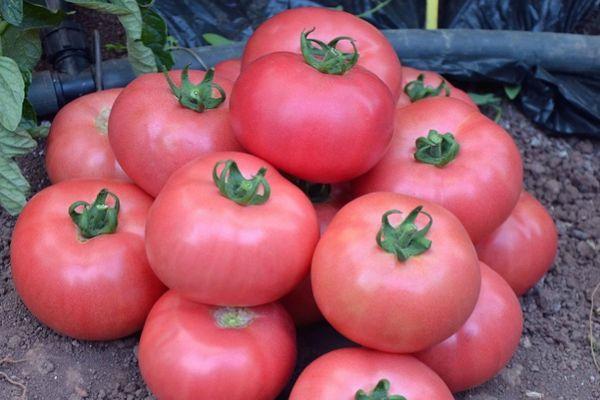
Although Titan is resistant to fungal diseases, it is susceptible to late blight. When purchasing seeds, pay attention to the variety description, including the possibility of stolbur disease, although the plant has average resistance to diseases such as macrosporiosis and septoria.
Titan can be grown in a summer cottage or garden plot, or even in a city apartment. This tomato variety grows best in the southern regions of Russia, where it is planted in open ground. In northern regions, it is recommended to grow Titan in greenhouses.
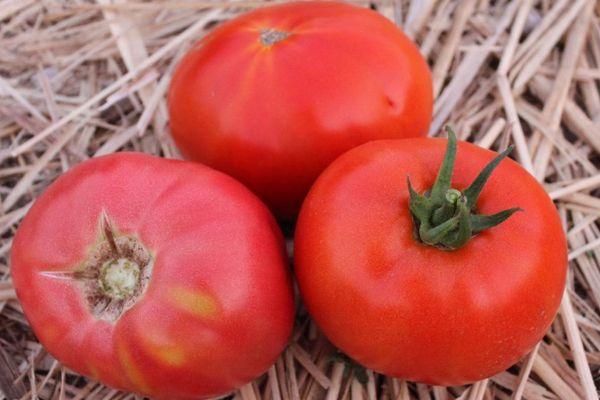
Gardeners' reviews are positive, as with proper agricultural practices, each plant yields approximately 5 kg of tomatoes. A yield of 30 kg can be obtained per square meter. Seedlings are planted in March or April. With proper fertilizing, watering, loosening, and hilling, the plant develops quite quickly after being planted outdoors in mid-June. The average yield for commercial plantings reaches 500 quintals of tomatoes per hectare.
Titan Growing Guidelines
When growing this tomato variety, it's important to know that the plant doesn't tolerate low temperatures well. Fertilizing during the plant's growth phase must be carefully considered. If you live in central Russia, there's a risk that vegetables planted outdoors won't ripen before frost sets in. This is due to the Titan variety's relatively late harvest.

It is recommended to sow seedlings two months before transplanting them into the ground. Gardeners should transplant the bush after two true leaves appear. It is advisable to plant Titan in soil where cucumbers, zucchini, carrots, cauliflower, parsley, or dill have previously been harvested.
No more than nine plants should be planted per square meter of garden bed. Planting should be done in nests of 0.5 x 0.4 m. The first watering should be done two weeks after planting. While the plants tolerate low water well, it is not recommended to overdo this with the Titan variety.
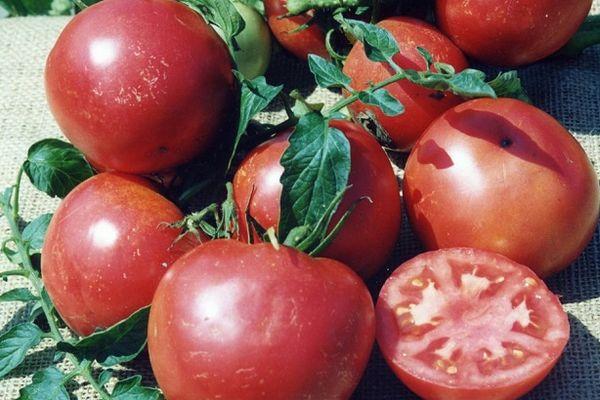
When shoots appear, they need to be tied up, otherwise they may break under the weight of the developing fruits. Gardeners most often form a bush from 2-3 shoots. During the active growth phase, Titan should be fed with fertilizers containing potassium and phosphorus.
If signs of late blight are noticed, it is recommended to reduce watering and then treat the bushes with Fitosporin. If pests such as sawflies, codling moths, or cabbage whites appear, treat the plants with Lepidocide.

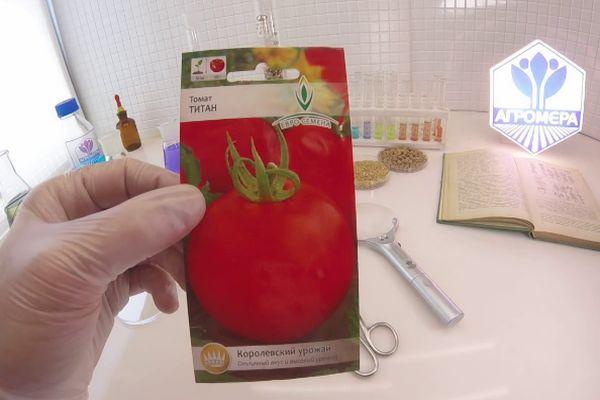
Titan tomatoes are great for eating fresh, and they can be preserved for the winter, making various pickles, tomato juice, or tomato paste.
Related posts:
 Description of the standard tomato Titan and cultivation techniques
 Composition and instructions for use of the fungicide Titan, application rates and analogues
 The best eggplant varieties for growing in a polycarbonate greenhouse: planting and care
 Description of the Velika grape variety, cultivation and care tips
 Description of the best tomato varieties for open ground in the central zone
 80 Best Eggplant Varieties for Different Regions with Descriptions and Characteristics
 Description and characteristics of the best seeds of pea varieties and types
 Description of 30 varieties and types of Muscat grapes, planting, cultivation and care