
The Fidelio tomato is a variety developed relatively recently by Russian breeders. The variety was developed based on Cuban tomato varieties and attempted to adapt them to harsher temperatures, hence the name. The Fidelio tomato is considered a mid-season variety. Its positive attributes include good yields and low maintenance.
What is a Fidelio tomato?
The characteristics and description of the Fidelio variety will help gardeners decide whether this tomato is worth growing. These tomatoes are resistant to a number of common diseases that can affect other varieties. Reviews from everyone who has planted this variety indicate that equally delicious tomatoes can be harvested from both greenhouse and open-field tomatoes. Seedlings produce fairly large and vigorous plants.
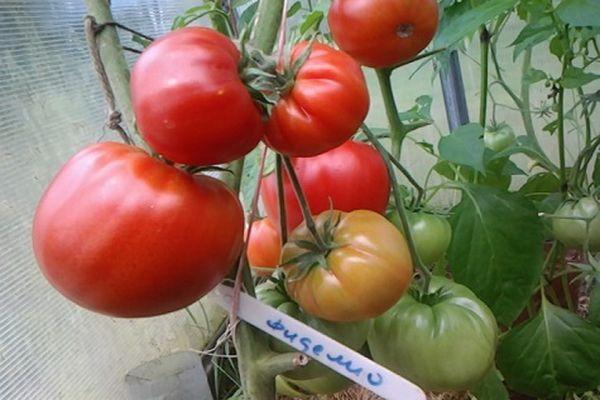
Despite the fact that tomatoes have a strong immune system, they can be susceptible to harmful external factors. For example, they can be attacked by pests. Therefore, it's necessary to regularly treat the plants with special solutions that protect against pests.
The bushes produce good harvests. To maximize fruit yield, remove side shoots and tie the plant to supports. It's generally recommended to train the bush into two stems: this allows Fidelio to distribute nutrients more efficiently. The first harvest can be collected 111 days after planting.
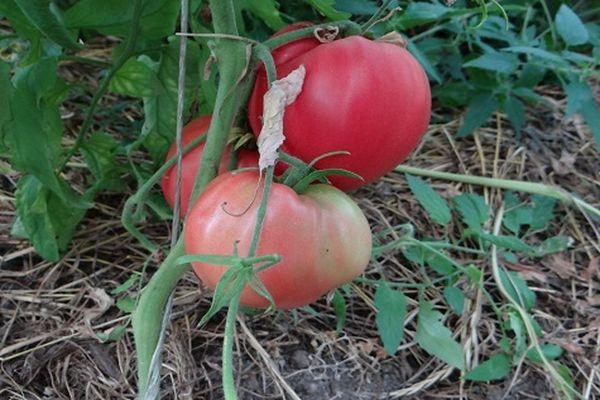
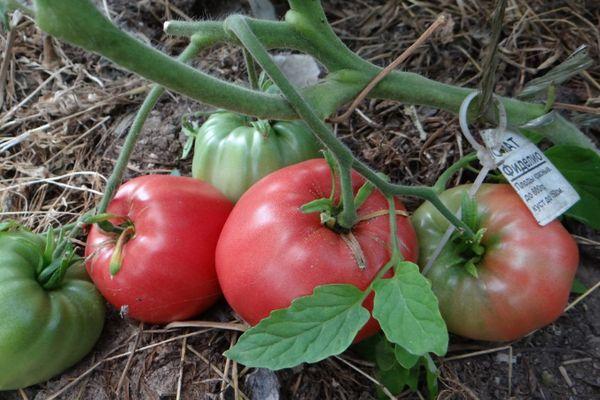
Fidelio tomatoes are distinguished by their fairly large fruits, which can weigh up to 400 g. The flesh is firm and juicy, with a pleasant, slightly sweet flavor that distinguishes this variety from other tomatoes. Ripe fruits are a rich pink color. These tomatoes are quite versatile: they can be eaten fresh, added to salads, or used to make juices or sauces.

In reviews, gardeners write: I grow tomatoes specifically for making juice, as it tastes great. The only thing they're completely unsuitable for is canning, due to the large size of ripe tomatoes: heat treatment can damage the skin.
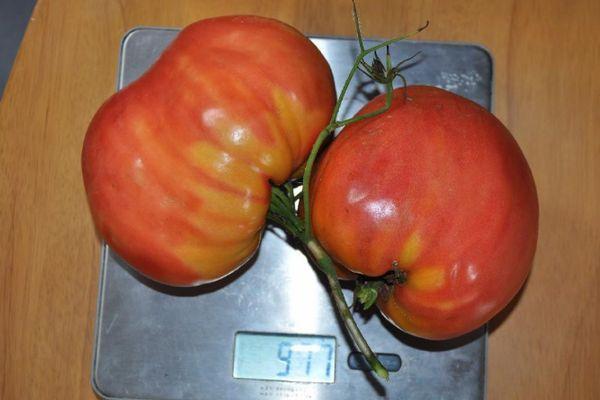
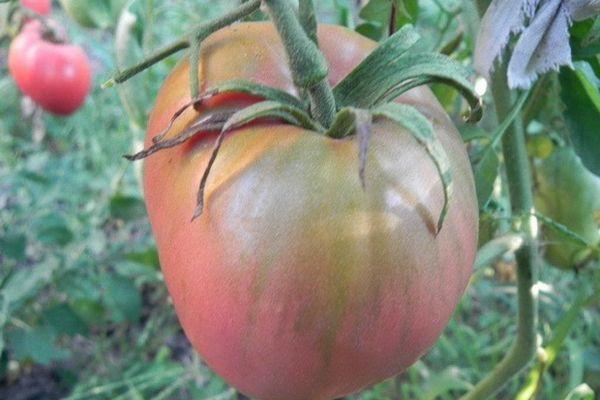
Even if, for some reason, the tomatoes' appearance deteriorates, the taste remains excellent. The shape of the fruit can vary. Typically, round tomatoes, slightly flattened at the edges, grow on the lower branches of the bush. Those growing higher up are heart-shaped. The seed chambers in tomatoes are small.
Among the positive qualities that tomatoes possess, the following can be highlighted:
- Resistance to a number of diseases common among nightshade crops.
- High yield.
- Easy to care for: just pinch off the bush in time and treat it against pests.
- Large and tasty fruits with a unique shape and good aroma.
Without staking and pinching the plant, it's impossible to get a good harvest, and many tomatoes require this basic care. Also, keep in mind that you'll need to buy seeds for this plant every year, as Fidelio is a hybrid and cannot be grown from ripe tomato seeds.
How to grow tomatoes?
The plant is planted using seedlings: seeds should be sown in separate containers a couple of months before the planned date of transplanting the tomato to its permanent location. Before planting, it is recommended to treat the seeds with a solution of potassium permanganate and thoroughly prepare the soil.
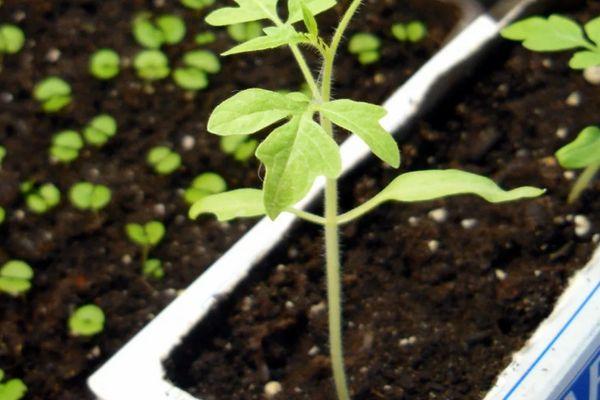
The soil should be enriched with mineral fertilizers and vitamins to stimulate tomato growth. The seeds are planted at a depth of 2 cm, then the boxes are covered with plastic and placed in a warm, well-lit area. As soon as the seedlings produce a couple of leaves, transplant the tomatoes into several separate pots.
 Before planting a plant, it needs to be hardened off. To achieve this, it's recommended to move the future tomatoes outside, gradually increasing their time outdoors to 24 hours. Once the last frosts have passed, the plants can be planted in open ground or a greenhouse. It's also recommended to treat the soil with potassium permanganate to protect the still-fragile plants from disease.

One of the main requirements for a gardener growing Fidelio is regular watering, fertilizing, and loosening the soil. A maximum of three plants are planted per square meter. If you follow all the care instructions and the tomatoes grow in a favorable environment, one plant can produce up to 6 kg of ripe and tasty fruit.
Related posts:
 What is the best way to feed tomato seedlings to make them plump?
 Description and characteristics of the best indeterminate tomato varieties for greenhouses
 Description of the best tomato varieties for pickling and canning
 Description of blight-resistant tomato varieties for open ground and greenhouses
 Characteristics and description of the Novichok tomato variety, yield and cultivation
 Description of the best varieties of black tomatoes for open ground and greenhouses
 Characteristics and description of the Sprut tomato variety, yield and cultivation
 What fertilizers and when to use for feeding tomatoes in a greenhouse