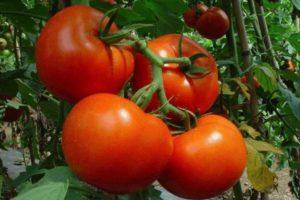
The numerous positive qualities that gardeners describe about the Gunin tomato are confirmed by the variety's characteristics and description. This tomato is classified as a determinate variety. This hybrid was developed by Russian breeders at the Agrosemtoms Scientific and Production Company, registered in the state register in 1996, and approved for use in the Central and Volga-Vyatka regions. This vegetable variety can be grown both under glass and plastic, as well as in open ground. However, protected soil is preferable for winter-spring cultivation.
Description of the variety
The Gunin f1 tomato is a mid-late hybrid variety. This is because the fruits fully ripen 118-124 days after full germination.
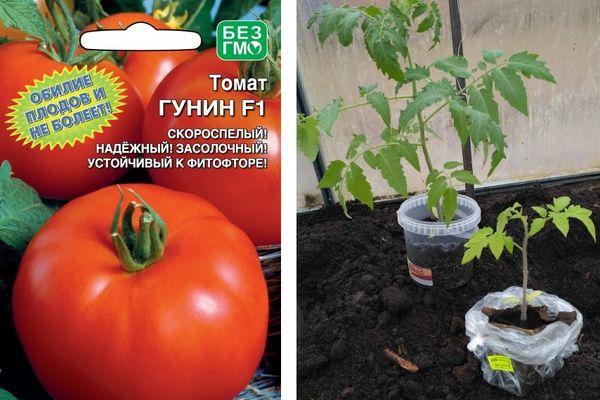
Other important characteristics of the Gunin f1 variety are as follows:
- the bushes are weakly branched, reaching a height of 1.6 - 1.7 m;
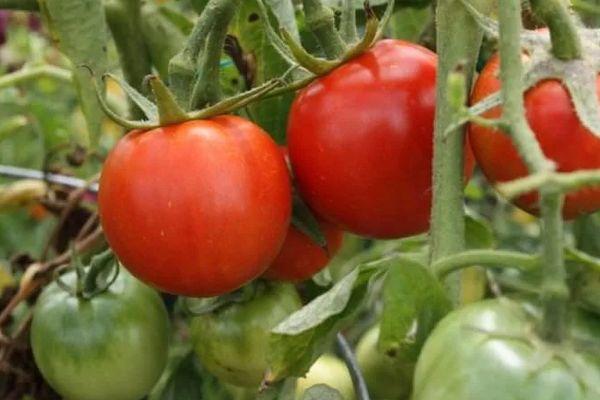
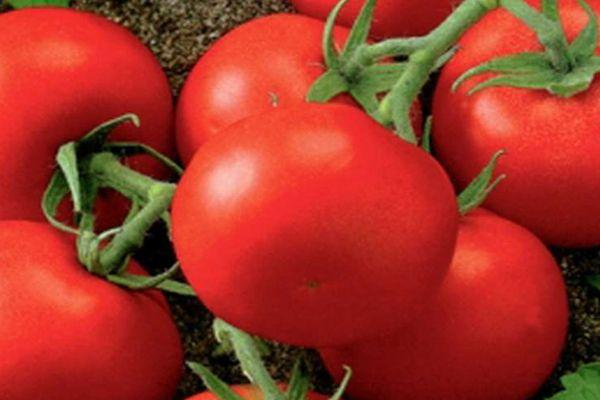
- the fruits are flat, round, and have a small depression at the base;
- the average weight of ripe tomatoes reaches 90-94 g;
- the number of fruits on a branch is from 4 to 5;
- The yield ranges from 10.5 to 14 kg per m², harvesting takes place from July to September;
- resistant to diseases, sudden temperature changes, and easily takes root in different climatic conditions.
The pulp and juice of Gunin tomatoes possess antioxidant properties. The beneficial substances found in tomatoes inhibit the development of cancer cells, accelerate metabolism, significantly reduce lipid deposits, and increase hemoglobin levels in the blood.
This type of tomato has strong immunity to diseases such as fusarium, tobacco mosaic, and root-knot nematodes.
The plant is capable of setting fruit not only in clear weather but also in cloudy conditions. Gunin f1 is also adapted to high humidity.
Recommendations for growing and care
According to experienced gardeners, the Gunin variety has gained popularity due to its good taste, early ripening of fruits, and high yield.
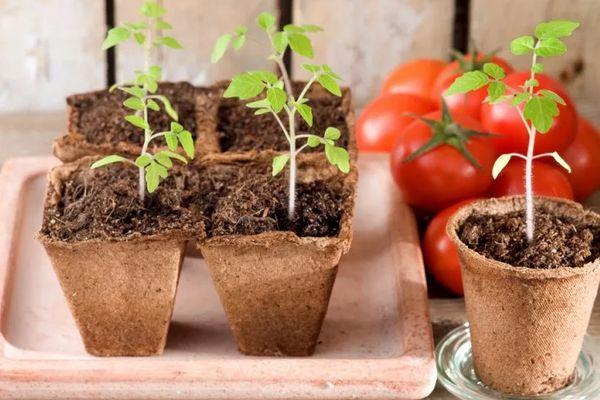
Seedlings are placed in the ground no deeper than 2 cm; the optimal sowing time is from March 1 to 20.
In May, when all frosts have passed, transplant the tomatoes to their permanent location. Three plants are planted per square meter in the greenhouse and two bushes per square meter in the open ground. Before planting, feed the seedlings with sodium humate. Timely application of fertilizer will protect the plants from disease and promote rapid growth. Fertilize the holes prepared for the young tomatoes with superphosphate (3 g). If the seedlings have already bloomed, remove the flowers before planting them in the ground.
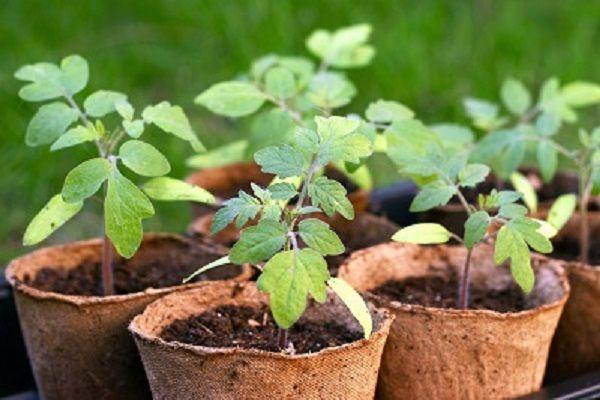
For a good harvest, it's enough to form a single stem and then remove any excess shoots. You can leave only the one that forms above the first cluster. Lateral branches should also be removed.
Pinching out side shoots will have a beneficial effect on the fruit, which will receive more light, become larger, and ripen faster. It's best to remove side shoots in the morning, every 10 days. Deformed ovaries should also be removed.
If the plant's leaves fall to the ground, they should be broken off, otherwise there is a risk of late blight infection.
To ensure a happy harvest, remember to fertilize your tomatoes on time. During flowering, tomatoes require phosphorus. A deficiency causes the plant's leaves to turn purple; an excess causes them to turn yellow. Growth slows with a nitrogen deficiency, but an abundance of nitrogen results in a bushy plant with few fruits.
Chicken manure, poultry manure, or peat are good fertilizers for the Gunin tomato. Hybrid varieties need to be watered generously, but every 7-8 days.
Related posts:
 80 Best Eggplant Varieties for Different Regions with Descriptions and Characteristics
 The best eggplant varieties for growing in a polycarbonate greenhouse: planting and care
 Description of the best varieties of black tomatoes for open ground and greenhouses
 The best grape varieties for growing in the Urals, planting and care rules in summer
 Descriptions of the 20 best cherry varieties for the Moscow region, their planting and care
 Description and characteristics of the best seeds of pea varieties and types
 Description of the Velika grape variety, cultivation and care tips
 Description of the Red Early apple tree variety, agricultural technology and specific care