
Dutch breeders have succeeded in creating hybrids that are resistant to diseases and extreme weather conditions and deliver high yields. Among these plants is the Tolstoy F1 tomato, named after the famous Russian writer Leo Tolstoy. This variety fully lives up to the claims made by experts.
Description of the variety
This tomato variety is designed for growing in open ground and under plastic covers. The Tolstoy F1 hybrid is a mid-season tomato, ripening 110–112 days after seed germination. The variety has a tall, unlimited-growing stem. Sometimes, shoots can reach up to 3 meters. Therefore, care for this tomato is the same as for indeterminate varieties. Cultivation techniques include mandatory staking and bush training, including the removal of side shoots.

The description of the fruits includes:
- roundness of shape;
- density of peel and pulp;
- minimum number of seeds;
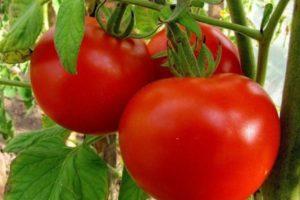
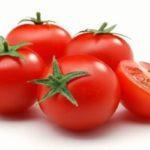
- dark red color;
- weight 100–250 grams;
- excellent sweet taste.
Experienced gardeners can harvest up to 10–15 kilograms of tomatoes per bush. A single shoot can produce up to 10–12 fruits. The harvest is used for both fresh salads and canning for the winter.
Growing
To ensure Tolstoy F1 tomatoes reach technical maturity on the vine, they are grown from seedlings. At the end of February, the planting material is prepared, the quality of which determines the vegetable harvest. The seeds are soaked in salted water. The floating seeds are removed, and those that sink to the bottom are used for growing.
It is necessary to disinfect the seeds by placing them in a gauze bag in a pinkish solution of potassium permanganate.
The boxes are filled with a nutritious, loose substrate. Holes are made in it and the seeds are placed. A 1-2 centimeter layer of soil is added on top. It's important to keep the soil moist; this will allow the seedlings to emerge within a week. Covering the container with plastic wrap to create a greenhouse effect will speed up germination.
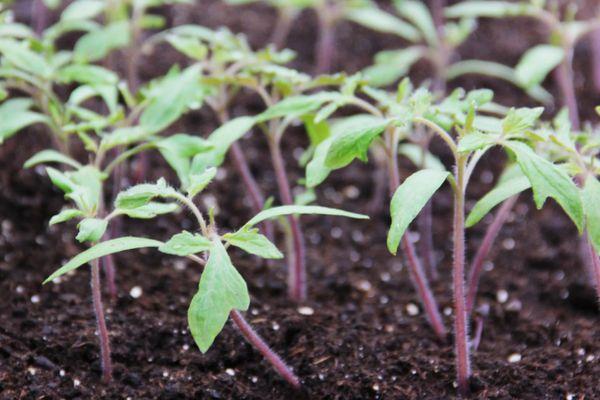
Newly emerged seedlings require more light, moisture, and temperatures of 18-20 degrees Celsius. Plants require supplemental nutrition with organic and mineral fertilizers. Tomato growers know the timing and rules for transplanting. This procedure is performed on seedlings that have developed two true leaves. The goal of this procedure is to discard diseased and weak seedlings and provide the seedlings with more space and nutrients for better growth and development.
Two weeks before transplanting into the ground, begin hardening off the plants. The containers are placed on the veranda or balcony for two hours at first, then increasing the time to 10–12 hours.
Select a sunny spot for the Tolstoy tomato plant. Plant the seedlings in mid-May using a 70x70 cm spacing. If the seedlings are stretched, deepen the stems. The rest should be planted down to the first true leaf. Make holes for the tomatoes, measuring 30x30x30 cm, adding 500 grams of compost and 50 grams of wood ash to each hole.

After planting, drive stakes near the stems and tie the tomatoes to them. In greenhouses, it's best to install a trellis for this purpose. Seedlings can be planted in the morning or evening, but evening planting is more reliable and will allow the vegetables to develop more quickly.
All that remains is to water the bushes and after 10 days spray them with a one percent Bordeaux mixture to prevent fungal diseases.
Care Features
For the variety Tolstoy F1 tomatoes need supportOtherwise, the stems will break under the weight of the fruit. Stake them 3-4 times per season. As with all indeterminate varieties, the bush is trained. It is believed that the yield depends entirely on removing excess shoots. You can remove all side shoots, leaving a single stem that will produce large tomatoes. The more side shoots you leave, the smaller the fruits will be.
The specifics of caring for this tomato variety include:
- regular moisturizing;
- fertilizing every 2-3 weeks, alternating organic and mineral fertilizers;
- loosening the soil;
- weeding bushes;
- pinching the top of the main shoot to stop the growth of tomatoes.
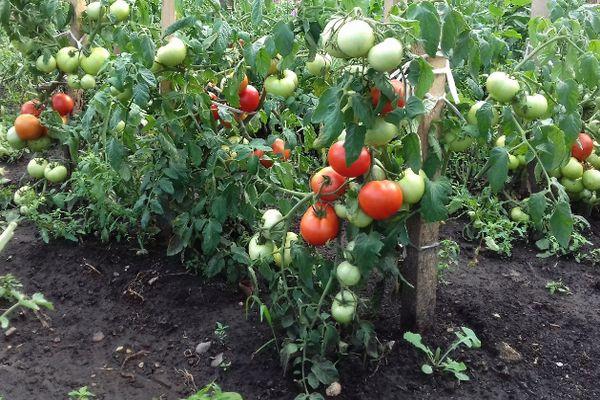
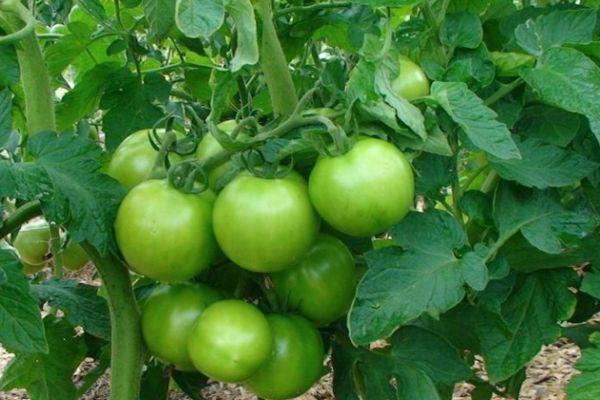
When fruit sets, water tomatoes sparingly, and shade leaves are moved away or removed. Sunlight will speed ripening, and the Tolstoy tomato variety will ripen on the shoots.
Advantages and disadvantages
Dutch tomatoes have many advantages. They are:
- are resistant to diseases: fusarium, cladosporiosis, tobacco mosaic, verticillium wilt;
- do not reduce yields, developing in partial shade;
- bear fruit for a long time;
- grow well in open ground;
- please with high yields;
- produce fruits that can be used universally.

The only downside to this hybrid is that it doesn't produce seeds for planting. You can plant them, but you won't get the same variety of tomatoes.
Pests and diseases
Growing tomatoes is not without its challenges:
Late blight appears in late summer as large brown spots on the leaves. The undersides of the leaves become covered with white mold. The foliage dries up, and the disease spreads to the stems and tomatoes. On the fruit, fuzzy, hard spots lead to complete rot. Tomatoes affected by late blight require spraying with a Bordeaux mixture solution 2-3 times during the summer.


If reddish-brown stripes appear on the stems, the crop has been affected by streak. The disease initially causes brittle, fragile stems and curled leaves.
Tomatoes become infected with streak during pruning, when the infection spreads from diseased plants to healthy ones via the sap. Therefore, it's best to remove excess shoots wearing rubber gloves, starting with healthy plants. Selecting and disinfecting seed material is crucial for disease prevention.
Vegetable crops are often damaged by the elongated, black-bodied Spanish beetle. Its larvae can destroy entire nightshade crops. The beetles can be collected by hand or controlled with insecticidal poisons.
Earwigs, woodlice, and millipedes are common pests of tomatoes in greenhouses. These pests thrive in damp conditions. To prevent them from causing damage, tie up the stems and ventilate the room.
Anyone who grows tomatoes knows how to prevent infections and protect them from pest attacks.
Harvesting and storage
Under favorable conditions, the Tolstoy variety begins to produce ripe fruits in August. To make tomatoes ripen faster, pinch the top of the shoot, artificially stopping its growth. The hybrid's medium-sized tomatoes are ideal for pickling and salting. Their thick skin prevents cracking when preserved. They also produce delicious tomato juice.
If the tomatoes have not yet ripened, they are picked and placed in boxes, placed in a room with a temperature of 22–25 degrees.
Many people note that Tolstoy tomatoes keep fresh for a long time. They can be eaten fresh until November or December. Both the tomatoes' characteristics and flavor remain excellent after storage.
Gardeners' reviews
It would be interesting to hear from those who planted the Tolstoy F1 tomato variety in their gardens.
Svetlana, Moscow region:
"I grow tomatoes in greenhouses and prefer tall-growing varieties of Dutch selection. I've been growing Tolstoy tomatoes for several years. I grow seedlings as usual and plant them in the greenhouse in April. I change the soil every year and thoroughly disinfect it with boiling water. I prefer to plant the stems deep. This encourages more root formation and a strong plant. I have a trellis in the greenhouse to which I tie the tomatoes. They grow so well that I later move the stems, and they almost reach the ground. I pinch the stems when there's a half-meter gap left. I harvest a lot of tomatoes until October, and they last until the New Year."
Take a look Also

Olga, Yekaterinburg:
"Our climate isn't very favorable for tomatoes, but I try to grow the Tolstoy hybrid outdoors. Yes, it's a lot of work. But in August, I get such delicious tomatoes that I use them to make a lot of preserves for the winter. They're good in both marinades and brines. You open the jar, and the tomatoes are just like fresh ones: they don't burst or crack. And the taste is amazing. Try planting this hybrid, and you'll only get great reviews."
Related posts:
 Description of the Leo Tolstoy tomato and characteristics of the hybrid variety
 Description of the best varieties of black tomatoes for open ground and greenhouses
 Delicious recipes for canned tomatoes with honey for the winter, preparation steps
 TOP 17 recipes for pickled sweet tomatoes for the winter
 What varieties of tomatoes are best to plant in a polycarbonate greenhouse?
 13 Best Recipes for Pickling Sweet Tomatoes for Winter
 Recipes for amazing tomatoes in jelly for the winter, with and without sterilization, you'll lick your fingers
 How to make pickled tomatoes without skins for the winter, quick pickling recipes