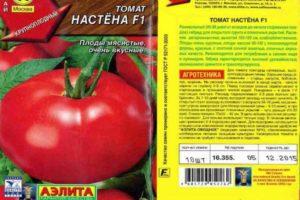
The Stesha tomato is a variety suitable for early cultivation in greenhouses and open ground. This plant is used for espalier cultivation. The Stesha f1 tomato forms bushes with 1-2 stems. It is best eaten fresh, but it also tastes good canned.
Briefly about the plant
Brief characteristics and description of the variety:
- Stesha is a mid-early hybrid.
- The bushes grow from 1.6 to 2.1 m.
- A typical tomato plant has a moderate number of leaves. Simple inflorescences appear above 7, 8, or 9 leaves as the plant develops.
- The main characteristic of this variety is that the plant produces good ovaries, with each cluster capable of producing up to 7 fruits.
- The quality of the soil for planting must be high.
- The Stesha variety is demanding of heat.
- A distinctive feature of this type of tomato is its high resistance to diseases such as viral tobacco mosaic and late blight.

The fruit is cylindrical and can be yellow or orange in color. There is no green spot near the stalk. Each fruit weighs between 0.12 and 0.15 kg, has a dense, smooth skin, and fleshy, sweet, and juicy pulp. The average yield of this variety reaches 20 kg per square meter.
Reviews of this tomato variety are positive. All gardeners who have planted this vegetable note that for good seedling germination, it's important to use light but fertile soil.
Any farmer who has planted this variety knows that soils following legumes, carrots, cucumbers, onions, or cabbage are best. The tomato produces its first harvest 100-110 days after germination.

Agricultural technology of the variety
Tomatoes are suitable for early cultivation in a greenhouse or in open ground, so novice gardeners are advised to seek advice from someone experienced in growing them.


Sow seeds for seedlings in late March or early April at a depth of 2-3 cm. First, treat them with potassium permanganate, then rinse them in clean water. It is recommended to transplant sprouted shoots when the second true leaf forms.
There are some subtleties to growing this tomato variety that need to be taken into account. For example, as one experienced farmer noted, to ensure a good harvest, I grow the bushes with complex fertilizers. These should be applied no more than three times after transplanting.

If you don't fertilize the plants promptly, their development will be delayed, which could lead to crop loss. Harden off the seedlings approximately 9-10 days before transplanting them into the soil. Place the plants outside, or if that's not possible, place them indoors in front of an open window. Keep in mind that the shoots don't tolerate drafts.
According to those who have planted tomatoes in their own gardens, transplanting into the ground (either in a greenhouse or in open beds) occurs when the seedlings are two months old. However, they can only be planted in the ground if there is no threat of late frost.

Most often, no more than four bushes are planted per square meter. Nest plantings are 0.5 x 0.5 m, although some farmers use a different planting pattern—0.7 x 0.3 (0.4) m. The soil must be drained beforehand. During growth, the bush is formed from 1-2 stems. If there are more, some will need to be removed. The plant grows quite tall, so support may be required. Staking is strongly recommended.
It is necessary to water the plantings regularly. For good bush growth, it's best to water with warm water. During the growing season, the plant should be fertilized. This should be done 2-3 times throughout the growing season.
Related posts:
 Description and characteristics of the best seeds of pea varieties and types
 What fertilizers and when to use for feeding tomatoes in a greenhouse
 Description of the best varieties of seedless tomatoes and cultivation technology
 Why potatoes aren't growing well in the garden, and what to do to ensure a bountiful harvest
 Rules for growing tomatoes in open ground, choosing a variety, planting and care
 The best grape varieties for growing in the Urals, planting and care rules in summer
 What varieties of tomatoes are best to plant in a polycarbonate greenhouse?
 Description of the best varieties of black tomatoes for open ground and greenhouses