
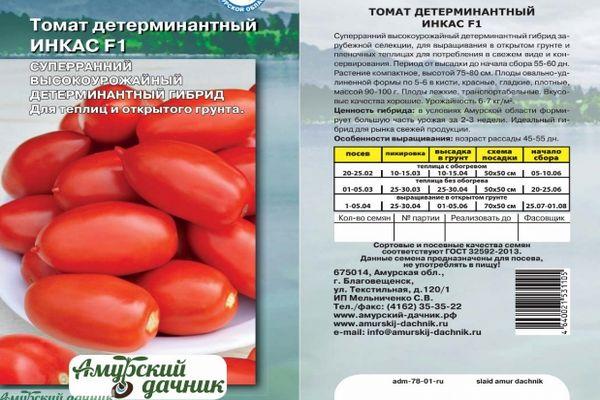
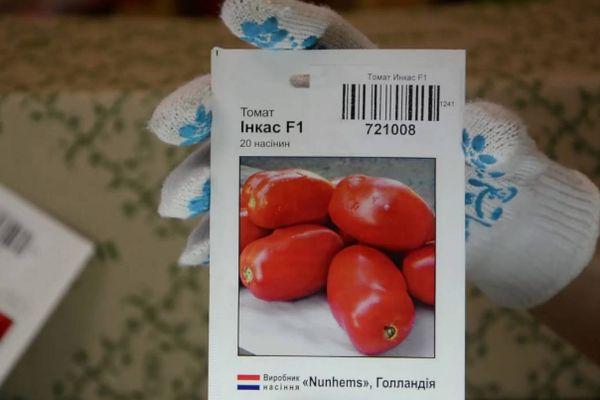
Tomato Inkas F1 is a hybrid of Dutch selection., developed for industrial tomato production. Seeds for private gardens are available on the Russian seed market in small packages. The tomato's properties allow it to be grown throughout Russia, taking into account the local climate: the hybrid is well suited for cultivation in open ground or greenhouses.
General characteristics of the plant
This mid-early variety produces its first harvest within three months of germination. Fruiting is somewhat spread out, with tomatoes ripening as the clusters form over a period of 1.5 to 2 months. The ovaries on each cluster develop and ripen almost simultaneously.
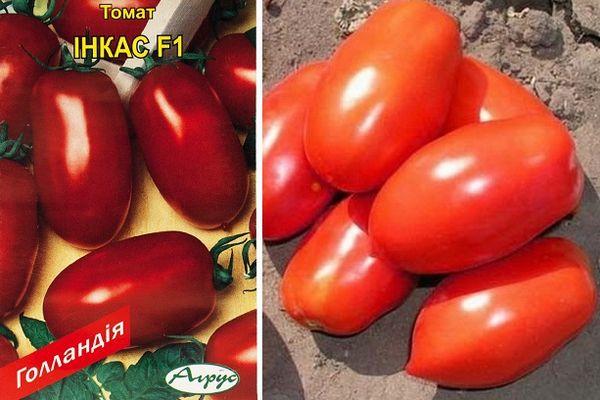
The Inkas hybrid is a determinate tomato with limited growth and self-topping stems. The variety description notes that the bushes are vigorous, up to 1 m tall. The plant requires staking and training, as it produces numerous lateral shoots. An untrained tomato reduces the production of flower clusters and ovaries, and a careless grower loses part of the harvest.
The plant is resistant to fungal diseases of nightshade crops and tobacco mosaic.
Inkas tomatoes tolerate short-term temperature drops and sudden temperature fluctuations, prolonged rainfall, and significant soil drying well. In Siberia and the Urals, tomatoes ripen in open ground, and growers can harvest unripe fruits for artificial ripening.
The average yield is about 3 kg per bush. To increase the yield, tomatoes are trained into multiple stems, each of which will produce several fruit clusters. Lateral shoots are formed later than the main stem begins to bear fruit, so the yield on them will be slightly smaller.
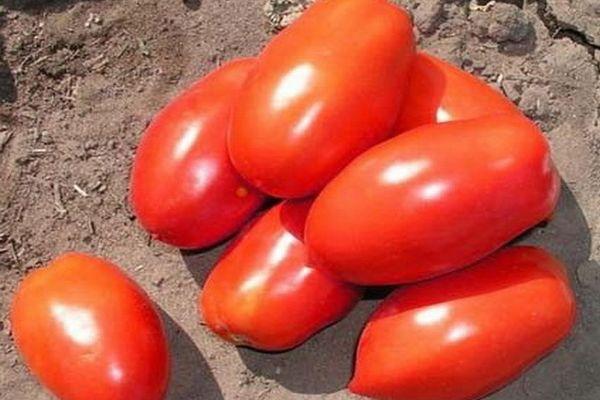
Characteristics of the Inkas fruit variety
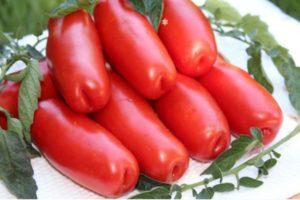
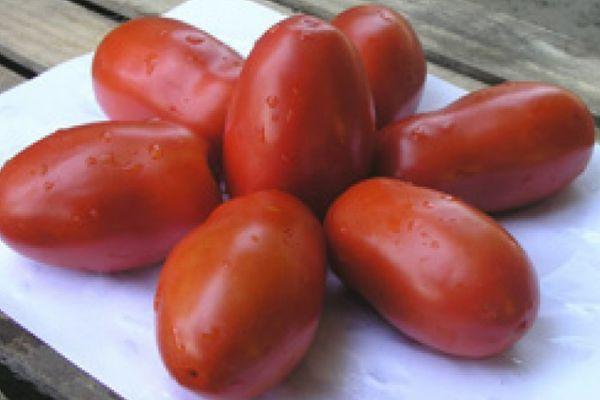
A plant can produce 4-6 clusters per stem per season. The number of ovaries per cluster depends on growing conditions, but is rarely less than 5. Most clusters contain 7-10 identical plum-shaped fruits weighing approximately 90-100 g. These tomato clusters can cover the entire plant from top to bottom, adding a decorative touch to the plantation.
The fruit skin is strong and very dense; it doesn't crack during fruit ripening, even during periods of excessive rainfall. The skin also withstands heat during canning.
Due to the dense skin structure, tomatoes store well when ripe, do not wilt for 10-15 days, and are easily transported over long distances without losing their marketable appearance. The fruit is a deep red at biological ripeness and pale green at the milky stage. Unripe tomatoes have a small dark spot near the stem, but this disappears as they ripen.

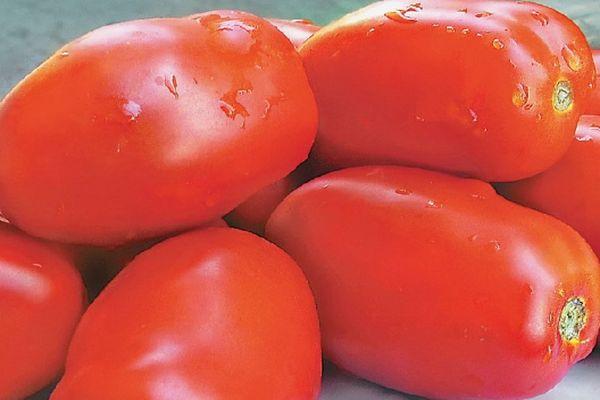
The flesh of Inkas tomatoes is very dense and firm. The fruit wall is approximately 0.5 cm thick, and the core contains three large seed chambers. Gardeners describe the tomatoes' flavor as exceptional. They have a high sugar content, giving them a sweet and tart flavor.
The Inkas tomato's characteristics, as described by Russian vegetable growers, indicate that its flavor does not deteriorate under unfavorable conditions or artificial ripening. Hybrid tomatoes are always sweet and aromatic, reminiscent of Italian sun-dried varieties.
This variety is best eaten fresh. They can be added to salads and sliced vegetables, used for sandwiches and canapés. The tomatoes are approximately 3 cm in diameter, making them ideal for garnishing dishes. Their unique shape makes them ideal for creating unusual appetizers for the holiday table.
Enterprising Russian vegetable growers don't limit themselves to including fresh tomatoes in their diet. Surplus tomatoes can be preserved for the winter. The elongated shape of Inkas tomatoes is perfect for jarring, and incorporating them into a vegetable platter will create a striking effect. Firm tomatoes can be preserved as wedges or slices. Sweet tomatoes are also ideal for sun-drying.
Inkas tomatoes can be processed into juice and sauces. To obtain a good, thick pulp, select the ripest tomatoes. If they ripen indoors, it's best to simmer them in their own juice until soft before making sauces, then strain them through a sieve. This puree can be used to make lecho and any tomato-based appetizers, ketchups, and sauces.
Agricultural technology of the variety
To have long-fruited Inkas tomatoes did not get blossom-end rot, which spoils almost the entire harvest, the soil for planting them must be well prepared. To provide the plants with all the necessary minerals, vegetable growers should add organic fertilizers (humus, compost, etc.) to the beds during tillage at a rate of 1 bucket per 1 m². In addition to nitrogen fertilizers, phosphorus-potassium fertilizers will also be needed. Ready-made mixtures for nightshade crops are most convenient.
Take a look Also
Long-fruited tomatoes require calcium, a deficiency of which causes the disease. To enrich the soil with this valuable mineral, sprinkle ground chalk, gypsum, dolomite, or marble dust over the surface (1 kg per 1 m²). Then mix the soil with a pitchfork.
Planting material is grown according to general principles, with picking at the stage of 2-3 leaves. Long-fruited tomato seedlings often look elongated., despite the gardener's best efforts. If this happens, it's easier to plant them in a common trench, laying the plants horizontally. Leave 3-4 pairs of leaves above the surface. The distance between plants should be at least 40 cm.
Bushes are trained when lateral shoots begin to emerge from the leaf axils. All side shoots should be removed before the first flower cluster forms. One lateral shoot is left above this cluster, and the plant continues to be side-sucked until the second cluster appears. A second additional stem is left above this cluster. The remaining shoots need to be removed during the season on all 3 stems.
Related posts:
 Description of the best varieties of black tomatoes for open ground and greenhouses
 What varieties of tomatoes are best to plant in a polycarbonate greenhouse?
 Favorable planting days for tomatoes in March 2025, when is the best time to sow
 Characteristics and description of the Bull's Heart tomato variety, yield and cultivation
 Growing and caring for tomatoes in a greenhouse from planting to harvest
 When and how to properly transplant tomato seedlings, the best days in 2025
 Which tomato varieties are best for open ground?
 How and when to sow tomato seedlings in the Moscow region, timing