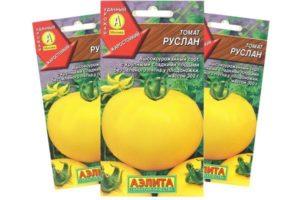
The Marissa f1 tomato is a hybrid variety, so gardeners must purchase its seeds annually. It is impossible to grow seeds of this variety on your own. The Marissa tomato has a rich, slightly tart flavor. It is primarily used in salads, tomato juice, or tomato paste. This variety can be transported over long distances and tolerates long-term storage well.
Characteristics of the variety
The characteristics and description of the Marissa variety are as follows:
- The plant's bushes can reach a height of 150-180 cm. They have an average number of leaves, but the root system is quite developed.
- The time it takes to obtain the first harvest, from sowing seeds to fruit development, ranges from 70 to 75 days.
- A tomato cluster contains 3 to 5 round fruits, slightly flattened at the base.
- The fruit weight can range from 0.15 to 0.17 kg. Each tomato contains 4 to 6 seed chambers.
- At the ripening stage, tomatoes of this variety are colored red.
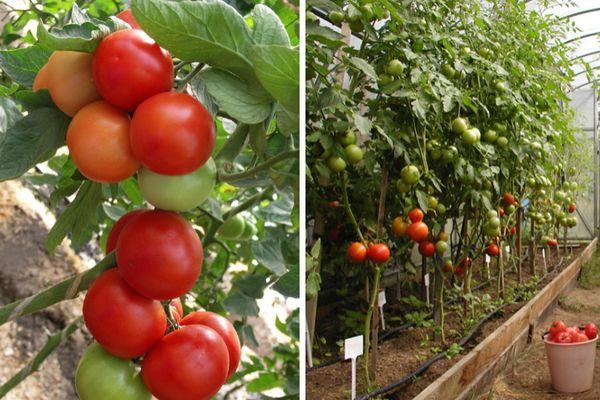
This variety is intended for open-ground cultivation in southern Russia. In the central and northern regions of the country, it is recommended to grow the tomato only in greenhouses.
The plant is resistant to various diseases, such as stem canker, brown spot, and root rot. It also has good resistance to diseases such as tobacco mosaic virus, verticillium wilt, and fusarium wilt.
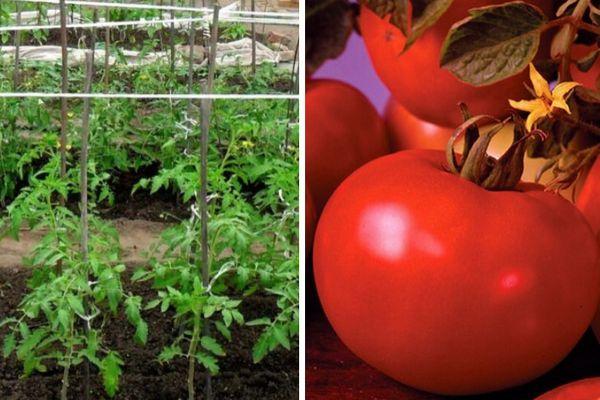
The variety yields 4-4.6 kg of fruit per bush. Reviews from farmers and gardeners indicate that to achieve the desired results, the plant stems must be tied and side shoots removed. The bush is trained into 1-2 stems.
How to grow the described variety?
It's important to note that when planting seedlings in the ground, it's recommended to leave plenty of space between bushes. Up to 5-6 bushes can be planted per square meter.
To grow this tomato variety, sow the seeds in early spring in individual pots and plant them to a depth of 10-15 mm. The soil should be warm, fertilized with a mixture of peat and sand. The seeds should also be watered regularly with warm water.

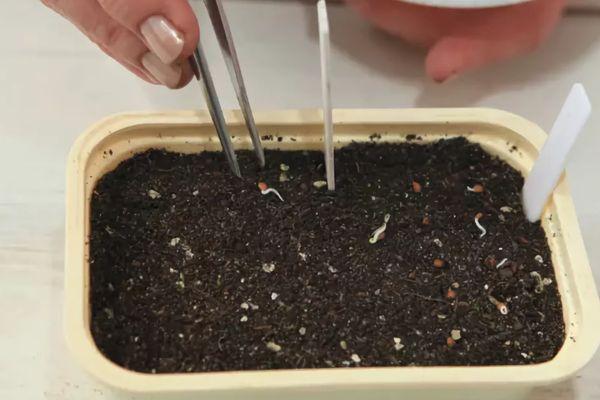
After this, the pots are covered with plastic wrap and moved to a heated room. After 7-10 days, sprouts will appear. The plastic wrap is removed, and the seedlings are moved to a well-lit area, but not in direct sunlight. While growing seedlings, it is necessary to constantly turn and rearrange the pots with seedlings, providing them with better lighting.
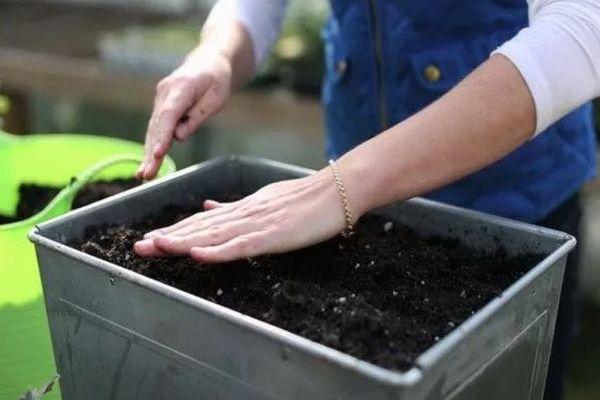
After 2-3 days, it's recommended to transplant the seedlings and then transplant them. Afterward, harden them off by placing them outdoors. However, care must be taken to prevent the seedlings from becoming overly cold. Before planting, thoroughly disinfect and fertilize the plants. Plant the seedlings so that the soil doesn't cover the stems. It's best to plant tomatoes in soil that has previously contained zucchini, cauliflower, dill, cucumbers, carrots, and parsley.
Six to seven days after planting, tie up the bushes and remove the side shoots. It's important to know that the Marissa tomato is self-pollinating, but this requires 65% humidity and a temperature of 25 to 26°C. Water the plant regularly, but with small amounts of warm water. If the tomatoes are grown in a greenhouse, a drip irrigation system is recommended.
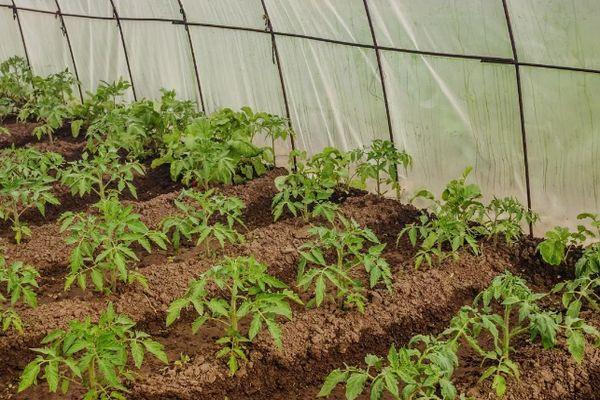
Fertilizer is applied several times per season. First, when preparing the soil, then during flowering, and then during fruiting. Potassium and phosphorus fertilizers, as well as their nitrogen equivalents, are used. Peat and manure can be added to the soil, but it is recommended to do this before planting the seedlings.
In case of garden pest infestations, it's necessary to use folk remedies and chemical solutions, which are available at specialized stores. These are sprayed on the plant's leaves. The first harvest begins in mid-June, and then continues throughout the fruiting season.
Related posts:
 The best eggplant varieties for growing in a polycarbonate greenhouse: planting and care
 The best grape varieties for growing in the Urals, planting and care rules in summer
 Description and characteristics of the best seeds of pea varieties and types
 Methods for planting and propagating cherries at home
 80 Best Eggplant Varieties for Different Regions with Descriptions and Characteristics
 Descriptions of the 20 best cherry varieties for the Moscow region, their planting and care
 The health benefits and harms of cherries, rules of consumption, and their effects on the body
 Description of the Velika grape variety, cultivation and care tips