
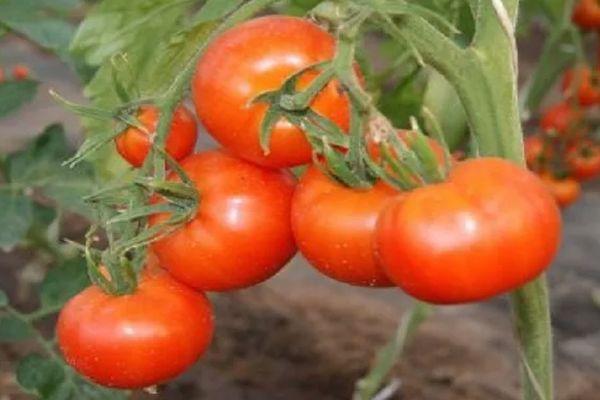
Neptune tomatoes, whose characteristics and descriptions include many advantages, have become widely popular among gardeners. If you have a small plot or greenhouse, Neptune tomatoes are an ideal solution for growing tomatoes. This variety boasts small, compact bushes that produce a fairly large number of fruits.
Features of the variety
The Neptune F1 tomato is a hybrid variety. It was developed by breeders at Sredi Tsvetov (Among Flowers) and, in 1998, was included in the State Register for the Central and Volga-Vyatka regions for outdoor cultivation. However, the Neptune tomato variety soon spread to many other regions of Russia and Ukraine.

The characteristics and properties of the Neptune tomato variety are as follows:
- the height of the bush reaches 70 cm;
- the fruits are considered early ripening, since in greenhouses it takes about 80 days from planting seedlings to ripening of tomatoes, in open ground - about 100;
- With proper care, up to 13 kg of fruit can be harvested from 1 m² in greenhouse conditions, and up to 7 kg in open ground;
- the weight of 1 fruit ranges from 100 to 110 g;
- the hybrid origin of the tomato ensures a fairly high degree of resistance to diseases such as septoria, anthracnose, late blight, etc.;
- is highly sensitive to humidity levels and requires warm, dry air;
- The fruits tolerate transportation well.
Tips on agricultural technology
When choosing a site for Neptune tomatoes, avoid flooding or standing water. A south-facing location, sheltered from the wind, is ideal. The soil should be neutral or slightly acidic.

The plot is prepared in the fall, adding up to 10 kg of organic compounds and 20 g of phosphorus-potassium supplements per 1 m². In the spring, nitrogen fertilizers are added (10 g per 1 m²).
Plant 8-9 55-60-day-old seedlings per 1 m². When planting, it is strongly recommended to add 60-100 g of wood ash mixed with 1 teaspoon of superphosphate to each hole.
After digging in the soil, the seedlings are watered generously. Fourteen days after planting, all lower shoots located beneath the bottom flowering cluster should be removed. The first fertilizing should be done at this time.


Harvesting Tips
Neptune tomatoes are fully harvested by early August. Brown tomatoes can also be picked. They ripen in about two weeks in a sunny spot. Remarkably, these tomatoes will be no different from those ripening on the bush.
On early-ripening varieties, signs of wilting can be noticed as early as early August. Some gardeners mistake this process for a disease. At this time, if the air temperature drops below 8°C, Neptune tomato plants should be completely dug up from the open ground. After the end of the season, you need to remove all plant remains from the beds, dig up the soil and plant green manure plants (for example, white mustard or alfalfa) in the place where the tomatoes grew.

There's an improved version of the variety described above—Neptune F1 Plus. It has nearly identical characteristics, but is considered even more resistant to open-field conditions and the main diseases that affect tomatoes.
Numerous reviews from gardeners conclude that the Neptune hybrid tomato variety presents no particular problems in cultivation, while yield and taste remain high.
Related posts:
 What varieties of tomatoes are best to plant in a polycarbonate greenhouse?
 Description of the Velika grape variety, cultivation and care tips
 Description of rare collectible tomato varieties from Valentina Redko, new for 2025
 Description of the tomato variety Petrushka Ogorodnik, its characteristics and yield
 Description of the best potato varieties of domestic and foreign selection
 Description of the Tolstoy F1 tomato variety, its characteristics and yield
 Description of the Stolypin tomato variety and growing tips
 Description and characteristics of the best varieties and types of irises