
Stolypin tomatoes were developed by Russian breeders at the beginning of the 21st century. The goal was to develop a variety suitable for cultivation throughout the country. The tomatoes' characteristics confirm this, with a few caveats: in warm and moderate climates, the harvest is reaped by planting in open ground, while in northern regions, shelter is essential. Stolypin tomatoes are beloved by vegetable growers for their flavor, unpretentiousness, drought resistance, and tolerance to temperature fluctuations.
Description of the variety
The manufacturer's description indicates that the Stolypin tomato variety ripens early: no later than 100 days after emergence.

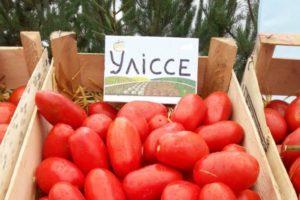
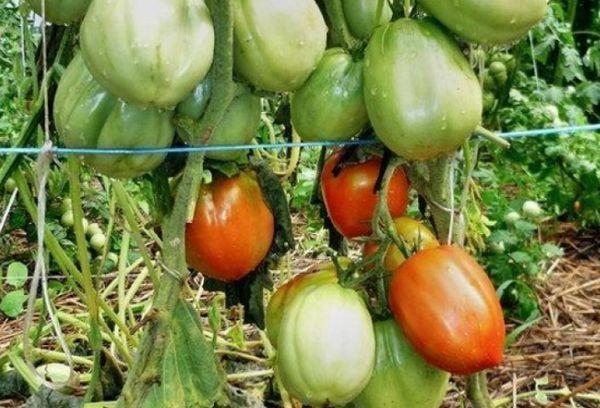
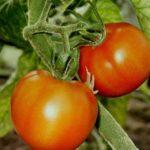
The determinate bush grows up to 60 cm in height. The stems are densely covered with medium-sized, dark green leaves. Simple inflorescences produce numerous oval or elliptical-shaped fruits. The red tomatoes, with smooth, dense skin, weigh up to 200 g. The juicy, sweet flesh is not watery. Yields reach up to 8 kg per square meter.
Growing
Compliance with mandatory agricultural practices when growing Stolypin tomatoes directly affects the quality and quantity of tomatoes.
Before planting, seeds should be prepared:
- Wrap the seeds in a cloth or place them in a cloth bag and soak them in a weak solution of potassium permanganate. This promotes germination and protects against viral diseases.
- Prepare a solution: one teaspoon of ash per one liter of water, and place the seeds in it for a day.
- Harden the seed material on the bottom shelf of the refrigerator for 1–2 days, periodically moistening the cloth.

The timing of seed planting varies greatly due to vegetable cultivation in different climate zones, and typically ranges from the second half of February to the first ten days of April. To sow, prepare containers and fill them with soil consisting of sand, peat, ash, and humus.
The seeds are covered with soil to a depth of 1–2 cm, with a spacing of 2 cm between rows and 3–4 cm between rows. The containers or cups are covered with glass or film and placed together at a temperature of 25°C. The tomatoes germinate after 7–9 days, after which the film is removed, and the seedlings are provided with long daylight hours. The seedlings require watering once a week.
If a gardener has been growing Stolypin tomatoes in boxes or containers, they should be transplanted into individual pots once a pair of true leaves appear. Tomatoes grow as seedlings for 60–75 days, and are fed 2–3 times during this time with organic and mineral fertilizers containing potassium, nitrogen, and phosphorus.

If the tomato variety is intended for planting outdoors, hardening off the seedlings is necessary. This can be accomplished by gradually lowering the room temperature.
The seedlings should be planted in a sunny, sheltered area protected from winds, where pumpkins, cabbage, or legumes were previously grown. Compost or humus should be added to the soil. Plant in a 30x70 cm pattern, then water each plant with five liters of warm, settled water.
Despite the medium height of the bush, staking is necessary, as the stems cannot support the weight of the tomatoes and break. A few weeks after planting, the tomatoes are pinched to improve fruit quality. The side shoots are removed, forming a main stem and two lateral stems.
During the growing season, Stolypin tomatoes require two fertilizations. The preferred mineral fertilizers are those containing equal parts phosphorus, potassium, and nitrogen. The best organic fertilizers include compost, chicken manure, and slurry.
 Mineral fertilizers to strengthen the root system are applied at a depth of 10 cm.
Spraying with stimulants strengthens the bushes and enriches the fruit with nutrients. The harvest will be early, juicy, and rich in sugars, vitamins, and minerals.

Care Features
Stolypin tomatoes require regular but moderate watering at the roots, followed by loosening of the topsoil. Sprinkler irrigation is not suitable for these plants, as it promotes fungal diseases.
During the growing season, tomato plantings need to be loosened 3–5 times, first deeply, then superficially, while removing weeds from the beds.

Advantages and disadvantages
Among the advantages of Stolypin tomatoes:
- Frost resistance. Tomatoes continue to develop and produce fruit normally even when temperatures drop.
- Growing in greenhouses, hothouses and open ground.
- High, consistent yield. Under favorable conditions, one Stolypin bush can produce 7–10 kg of fruit.
- The small number of seeds gives the fruit pulp its fleshiness and density.
- Large-fruited. Average weight of one tomato: 150 g.
- Transportability and long shelf life.
- Excellent taste. Suitable for preparing any dish.
- Resistance to nightshade diseases.
Stolypin's properties are almost free of drawbacks. Negative characteristics include heat intolerance, which prevents fruit ovaries from forming. Rainy weather causes blossom-end rot.
Pests and diseases
Those who have planted this crop note the variety's genetic resistance to most diseases and pests. Folk remedies or fungicides can be used against fungi. Among the pests, cutworms, mole crickets, and whiteflies pose a threat. To protect against them, special biologically active products should be purchased.

Harvesting and storage
Harvesting begins 100 days after germination. Stolypin tomatoes are known for their ability to retain their marketable appearance for a long time. These versatile fruits are suitable for fresh consumption, in salads, marinades, and are successfully used to make juice, paste, ketchup, and oriental sauces.
The Stolypin tomato variety deserves the attention of gardeners; it will add variety to the tomato ranks without taking much time and effort.


Gardeners' reviews
Reviews from gardeners confirm Stolypin's positive qualities:
Nina: "I've been growing a tomato with such an unexpected name in the open ground for three years now. Every year I get a bountiful harvest, which is eaten fresh and used for winter storage. Only prolonged rains can cause blossom-end rot."
Anton Kirillovich: "These tomato seeds were recommended to me at the store. My wife and I are very happy and will continue growing them."
Related posts:
 Description of the best varieties of black tomatoes for open ground and greenhouses
 What varieties of tomatoes are best to plant in a polycarbonate greenhouse?
 Kirov-bred tomato varieties for greenhouse and open-ground cultivation
 The best eggplant varieties for growing in a polycarbonate greenhouse: planting and care
 Description of the Velika grape variety, cultivation and care tips
 Description of the best tomato varieties for open ground in the central zone
 The best tomato varieties for growing in the Leningrad region for greenhouses and open ground
 Description of the best tomato varieties for open ground and greenhouses in the Krasnodar region