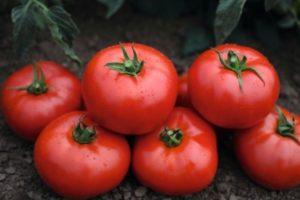
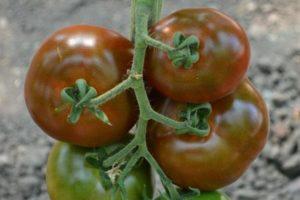
The Orlets F1 tomato is one of the new hybrids distinguished by its low maintenance, high yield, and early ripening. These beautiful, intensely red tomatoes boast excellent flavor.
Advantages of a hybrid
The variety description classifies the plant as a first-generation indeterminate hybrid. During the growing season, the bush grows to a height of 150–170 cm.
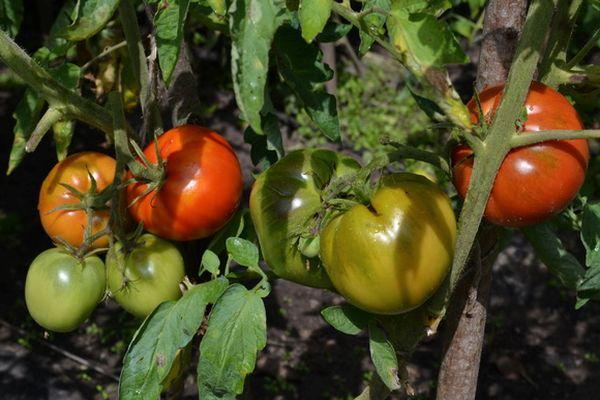
An early-ripening hybrid, it yields high yields in a short period of time. The Orlets tomato is a variety intended for outdoor cultivation.
The fruits ripen uniformly over 75-80 days, hanging from the bushes like garlands. Each cluster produces 6-8 round tomatoes weighing 100-150 g. With proper cultivation practices, a bush can yield 5-6 kg of fruit.
Orlets F1 tomatoes are distinguished by their massive size, rich red color, and smooth surface. They are used fresh, for canning, and in various dishes.
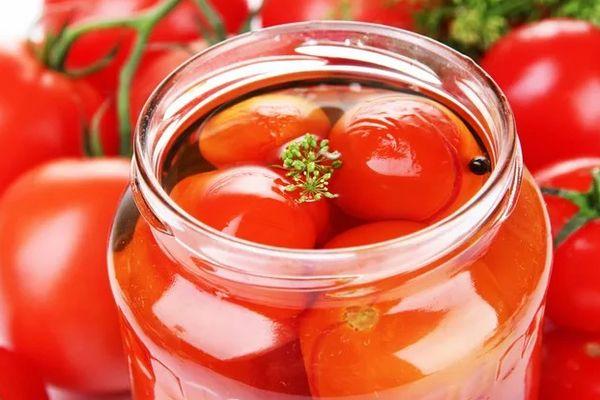
Tomatoes with thick skin can be stored for a long time and can easily be transported over long distances.
Positive characteristics of the hybrid include strong immunity to late blight, tobacco mosaic virus, and white spot. Preventative treatment with specialized products is recommended against biological pests.
Reviews from vegetable growers indicate excellent taste, high yields, and attractive bushes during the fruiting period.
Agricultural technology of cultivation
To obtain an early harvest, the Orlets variety is grown using seedlings. The sowing time is determined based on the natural conditions of the growing region.
Seeds are sown for seedlings 60 days before transplanting to their permanent location. The seeds are placed 1 cm deep in containers with prepared soil mixture or substrate.
To ensure uniform sprouting, treat the seeds with an aqueous solution of potassium permanganate and a growth stimulant before planting. After watering with warm water using a spray bottle, cover the container with plastic wrap and place it in a warm place.
For normal sprout development, the right temperature is essential. To prevent the seedlings from becoming too tall and to ensure they grow strong and vigorous, additional lighting is required.
Regular watering of seedlings ensures the development of a healthy root system. Overwatering can lead to root rot, while underwatering will negatively impact the overall health of the plant.
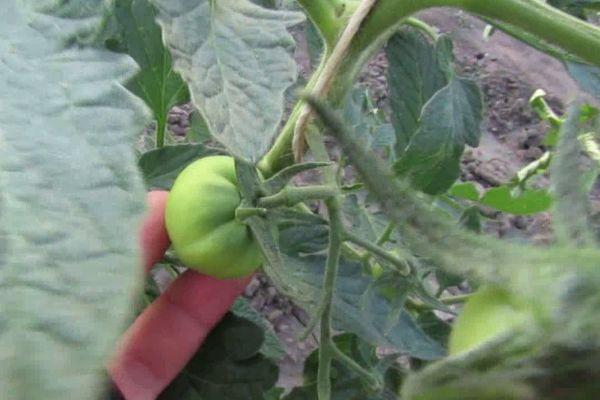
Tomatoes require a range of minerals to thrive, so they are periodically fed with growth stimulants. When two true leaves form, transplant them into different containers. Peat pots can be used for this purpose, as they make it easy to transplant the seedlings to their permanent location.
If you shorten the central root during transplanting, this will encourage the formation of additional roots. By the time of transplanting, a strong root system will have formed.
Before planting in the soil, seedlings are hardened off. Ten to fourteen days beforehand, the seedlings are brought outside, gradually increasing the time from 15-20 minutes to several hours. This allows the plants to adapt to sunlight and wind.
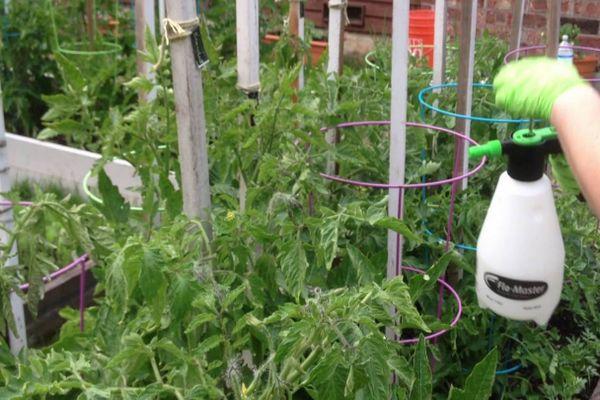
The seedlings are transplanted to their permanent location after the spring frosts have passed. It is recommended to plant 3-4 bushes per square meter. Plant care involves periodic loosening of the soil to ensure moisture balance and air access to the root system.
During the growing season, apply organic and mineral fertilizers containing potassium and phosphorus. Water the plants with warm water after sunset.
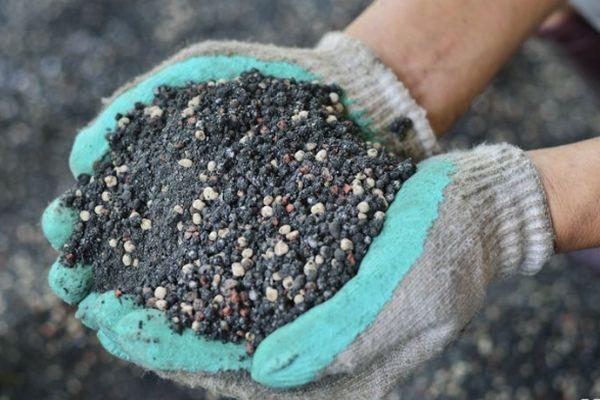
To retain moisture and ensure drip irrigation, mulch the soil with black non-woven fiber. Using straw and grass as mulch further enriches the soil with organic nutrients essential for crop development.
Related posts:
 The best grape varieties for growing in the Urals, planting and care rules in summer
 Description of varieties of sowing peas and cultivation, to which family they belong
 The best eggplant varieties for growing in a polycarbonate greenhouse: planting and care
 How to properly plant peas in a greenhouse and open ground
 Methods for planting and propagating cherries at home
 20 Best Blackcurrant Winter Preserves Recipes
 How to propagate and grow peas, cultivation technology, and care in open ground
 The best varieties and how to properly grow nectarines, planting and care
Take a look Also