
For several years, the Peter 1 tomato has been considered one of the most popular sweet tomato varieties among Russian gardeners. This popularity stems from its unique qualities and advantages over other tomato varieties. Experts recommend this easy-to-grow, high-yielding variety, which is now widely grown in the central part of the country.
Description of the variety
This tomato variety is a determinate variety, with an average bush height of 50 to 75 cm. The plant is compact and has a moderate amount of foliage, making it easy to care for during cultivation. Gardener reviews confirm that this tomato can bear fruit both outdoors and under plastic shelters.
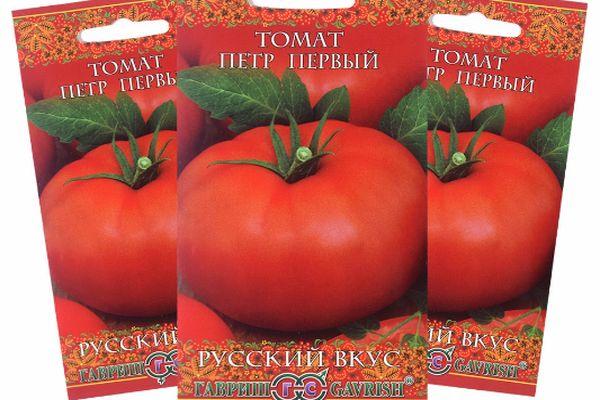
The garden variety has a medium ripening period, with the first fruits harvested 115 days after sowing. The tomatoes have a slightly flattened shape and a rich red color. The skin is moderately thick, allowing the fruits to withstand outdoor conditions well. The number of seeds is small, with an average of six per chamber.
The variety's characteristics indicate that the average tomato weight is 230 to 250 grams, making the fruits suitable for eating and for preparing preserves that call for tomatoes. A single bush yields an average of 3.5 to 5 kg of vegetables. The yield per square meter is 1.5 to 2.5 kg.2 on average reaches 9 kg.
Growing
The Peter the First f1 tomato is grown primarily from seedlings. Planting in protected soil is considered optimal. The seeds are planted in small containers in moist soil and covered with plastic wrap until the first shoots appear. Picking is carried out when the shoots have formed 2 or 3 true leaves. A week before planting in a permanent location, hardening off the seedlings begins by moving them from a warm room to a cooler place or providing a cold air flow.
Varietal tomatoes require light, fertile soil. The following vegetable crops are considered good predecessors:
- carrot;
- cabbage;
- cucumbers.
Despite the small growth of tomato bushes Peter 1, at 1 m2 It is not recommended to plant more than 3 bushes, otherwise the plants will experience a lack of nutrients and there will be difficulty in obtaining sufficient oxygen due to poor ventilation, which will reduce the yield of the crop and increase the risk of tomato diseases.
Care Features
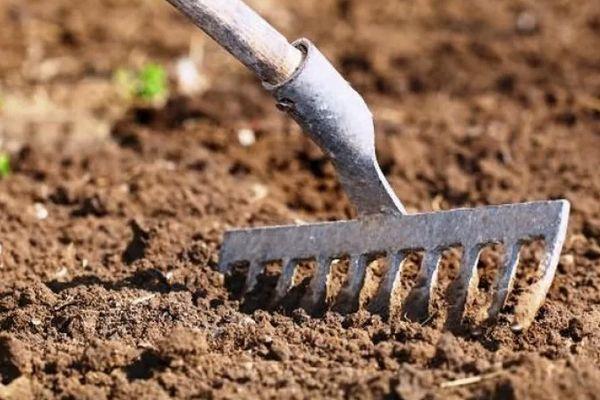
The plant doesn't require complex care or special conditions. Once planted in its permanent location, simply remove weeds, water regularly, and loosen the soil as needed. To make watering easier, you can mulch the soil, which will help retain moisture significantly longer.
To increase yields, the plant is provided with an additional source of nutrients. This is achieved by fertilizing with complex mineral fertilizers every 7 days. Good growth is achieved by adding a couple of pinches of ash to the irrigation water. When fruit set, it is recommended to place a small amount of wood ash under each bush.
Advantages and disadvantages
The variety's main advantages include high yields combined with excellent vegetable flavor. The plant is highly resistant to fungal and viral diseases.
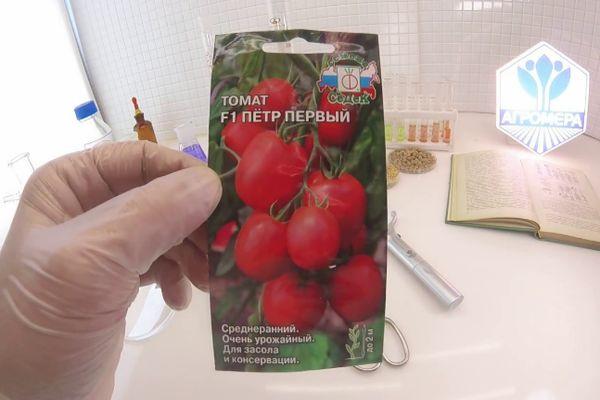
Description of the variety's advantages:
- resistance to unfavorable growing conditions and the influence of environmental factors;
- possibility of using seed material;
- good yield and taste of tomatoes;
- plant resistance to diseases and pests;
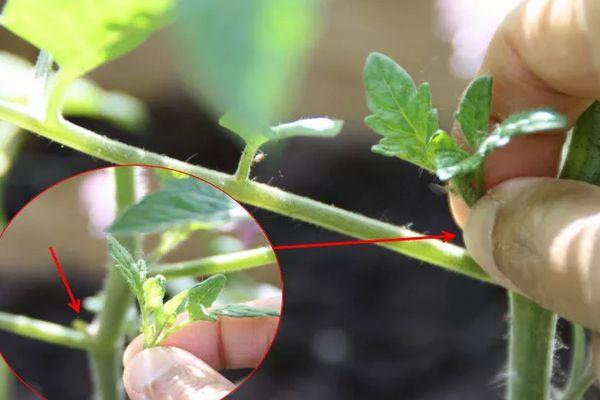
- no need for pinching or tying.
The variety has no significant characteristics or drawbacks. If the temperature is insufficient, some fruits may not fully ripen on the bushes. In this case, they should be stored in a dark place until they turn red.
Pests and diseases
A distinctive feature of this variety is its resistance to most tomato diseases. The plant can be susceptible to infection by late blight, tobacco mosaic, and verticillium wilt.
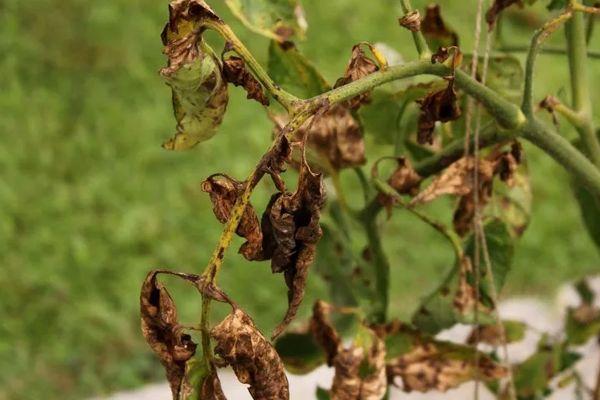 The main danger to the Peter the First tomato variety comes from insects. To prevent diseases, the planting site should be periodically inspected, and if necessary, special pest control products are used.
The appearance of aphids and mites is most often due to improper cultivation practices. To combat this problem, bushes are fumigated with colloidal sulfur or treated with insecticides and acaricides.
Harvesting and storage
Tomatoes are harvested throughout the fruiting season as they ripen. At this point, tomatoes are richly colored and respond easily to pressure. Ripe tomatoes are eaten fresh and used as ingredients in first and second courses. When the harvest is fully ripe, they are used as ingredients for marinades and winter preserves.
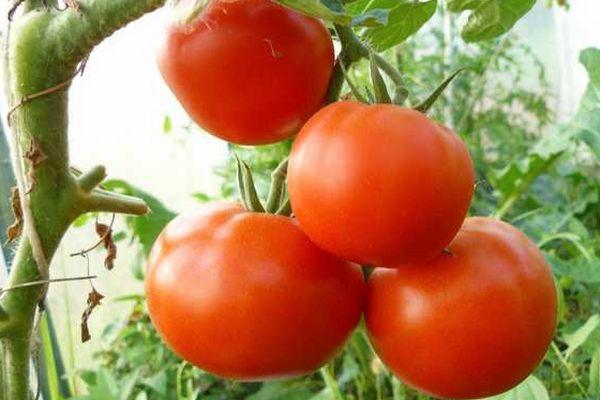
Unripe tomatoes can be preserved using recipes for "green" tomatoes, but they are more often stored to ripen further. To do this, the tomatoes are placed in several tight layers in wooden crates, with a few red tomatoes placed between them. The tomatoes are stored in a cool, dark place. In this condition, the harvest can last for a couple of months, but it is necessary to inspect them periodically, removing any spoiled tomatoes and selecting the ripe ones for eating.
Gardeners' reviews
Alexander, 41 years old:
"This variety is perfect for those who enjoy meaty tomatoes; the taste is impeccable. It doesn't require much effort to grow, and the plant requires standard care. On average, we harvested 4 kg of tomatoes per bush."
Anastasia, 27 years old:
"This variety doesn't require pinching or staking, which makes it much easier to grow. The fruits are medium-sized and yield gradually, so there's no rush at the end of the season. Some tomatoes were picked green, but most ripened, with only a slight reduction in flavor."
Related posts:
 The best eggplant varieties for growing in a polycarbonate greenhouse: planting and care
 80 Best Eggplant Varieties for Different Regions with Descriptions and Characteristics
 The best grape varieties for growing in the Urals, planting and care rules in summer
 Description of the Velika grape variety, cultivation and care tips
 Description and characteristics of the best seeds of pea varieties and types
 Descriptions of the 20 best cherry varieties for the Moscow region, their planting and care
 Methods for planting and propagating cherries at home
 How to propagate and grow peas, cultivation technology, and care in open ground
