
The Vostok f1 tomato, described below, is used fresh, added to vegetable salads, and preserved for the winter. The plant is easy to care for, so even a novice gardener can grow this tomato. The only drawback of this variety is the need to purchase seeds annually for sowing.
Briefly about the technical parameters of the crop
The characteristics and description of the variety are as follows:
- The period from seed germination to obtaining a full harvest lasts about 110 days.
- When grown outdoors, the bush height ranges from 0.6 to 0.7 m. If the plant is grown in a greenhouse, the bush height can reach 1 m.
- The hybrid's leaves have an uneven surface and are long. They are colored dark green.
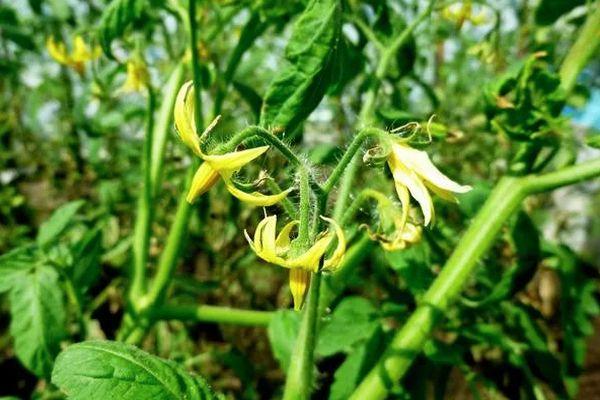
- Flower buds form every one to two leaves. Each bush produces 10 to 12 buds, and they appear almost simultaneously, even under unfavorable climatic conditions.
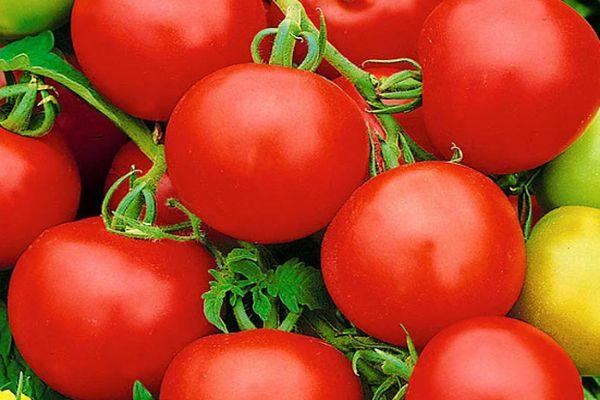
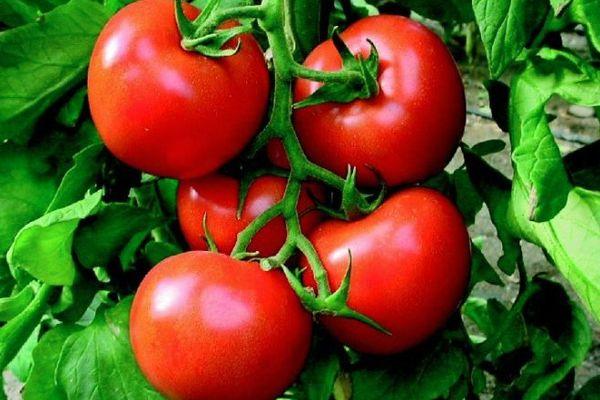
- The fruit's shape resembles a sphere flattened at the poles. The berries are bright shades of red. Fruit weight ranges from 0.2 to 0.3 kg. When grown in a greenhouse, a single fruit can weigh up to 0.35-0.4 kg.
- Vostok tomatoes have ribbed, thick skin and can be transported over any distance.
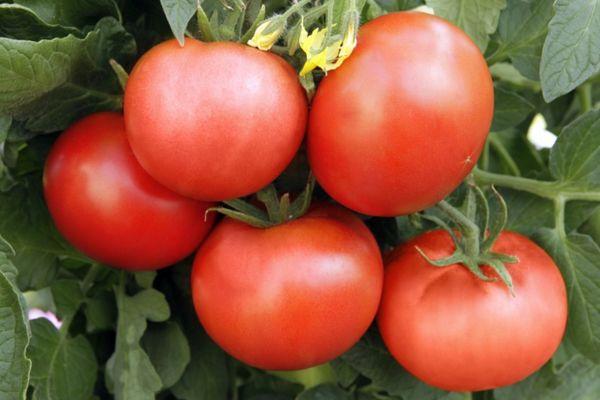
Gardeners growing this hybrid report yields of up to 5-6 kg of berries per bush. The tomato tolerates high humidity and drought well. It has a long shelf life (40 days). The fruits ripen beautifully at home. The uniform fruiting allows for quick harvesting. The hybrid is resistant to many nightshade diseases.
In Russia, this variety is recommended for open-ground cultivation in the southern regions of the country. In the vast expanses of Siberia, the Far North, and the central part of the country, greenhouses and hotbeds are required for growing the hybrid.
Take a look Also
How to grow seedlings yourself
After purchasing the seeds, they should be disinfected in a potassium permanganate solution. Then prepare wooden boxes with homemade soil (peat, soil, sand) or purchase special tomato soil. The seeds are planted in the boxes in mid-March. Cover the containers with glass or film. Remove the protective covering when the first sprouts appear within a week. Feed the seedlings with complex mineral fertilizers and water them once every six days.
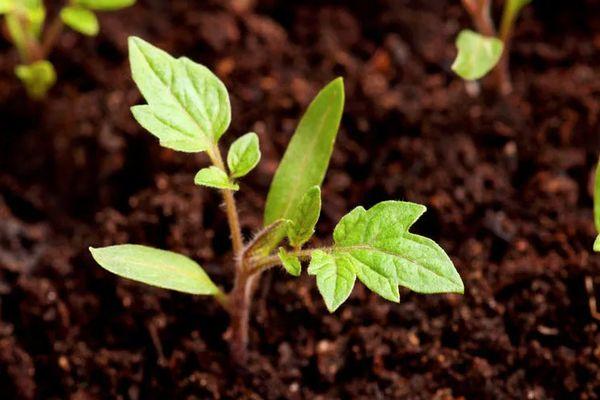
After 2-3 leaves appear on the seedlings, the plants should be pricked out. When the sprouts are 50-60 days old, they can be transferred to permanent soil. If you plan to plant the seedlings in a greenhouse, transplant them in the last ten days of April. When growing the crop outdoors, transplant the young bushes in the last week of May or the first ten days of June.
To disinfect the soil, it is treated with bleach. Before planting, the beds are loosened and organic fertilizer is added. Young plants are planted in 0.6 x 0.7 m spacing.
Caring for young tomatoes
Fertilize the hybrid three times per season. Initially, to accelerate growth, feed the bushes with nitrogen and organic fertilizers. After flowering begins, feed the plants with a mixture of potassium and nitrogen components. When fruit begins to form on the branches, it is recommended to feed the tomatoes with superphosphate and potassium nitrate. If these fertilizers are not available, feed the hybrid with manure, peat, or bird droppings.
It is recommended to water tomatoes 1-2 times a week with warm water that has been left to stand in the sun. This procedure is carried out before sunrise, early in the morning. Plants should be watered with a moderate amount of water. If it rains, the hybrid can be watered once every 20 days.
When growing this variety in a greenhouse, it's recommended to regularly ventilate the room. Although this plant tolerates high humidity and drought, it's best not to experiment with it, as this can result in a loss of up to 30% of the harvest.
To accelerate plant growth, roots need oxygen. Root aeration is achieved by loosening the soil or mulching the soil in the beds. Loosen the soil twice a week. This kills insects that feed on tomato roots.
Weeding the beds is done once every 15 days. This procedure eliminates the risk of various fungal and bacterial infections in young plants. Weeding kills the insects that nest on the weeds and then destroy the crops.
A farmer must constantly monitor the plot. If garden pests such as aphids, Colorado potato beetles, spider mites, or other insects appear, immediate action is required. Chemicals or folk remedies (such as soap solution or copper sulfate) can be used to kill pests. Slugs can be controlled by sprinkling ash under the tomato plant roots.
Related posts:
 The best eggplant varieties for growing in a polycarbonate greenhouse: planting and care
 The best grape varieties for growing in the Urals, planting and care rules in summer
 Descriptions and names of varieties and the best types of radish, planting and care
 Is it possible to grow an apricot tree from a seed in your garden? How to plant and care for it?
 Carrot care guidelines for outdoor cultivation to ensure a good harvest
 Methods for planting and propagating cherries at home
 Rules for growing grapes in a greenhouse at your dacha, planting and care
 Descriptions of the 20 best cherry varieties for the Moscow region, their planting and care
I've been growing only these tomatoes for a long time, the taste is simply excellent. The bush grows large, so it is definitely worth staking it. I recommend using "BioGrow» for better growth of seedlings.