
The Yaki F1 tomato is a hybrid variety intended for outdoor cultivation. It is cultivated commercially and in home gardens. These oval-shaped tomatoes with firm flesh are used fresh, for canning, and for making pastes and juices.
Advantages of a hybrid
The characteristics and description of this first-generation hybrid place it among the mid-season tomatoes. Ripening occurs 75-80 days after transplanting. The Yaki F1 tomato variety combines high yields with adaptability to a wide range of growing conditions.
This determinate plant reaches 0.6–0.8 m in height. The bushes are characterized by limited lateral growth. Flower stalks are located alternately or in rows. The plant does not require pinching. The sturdy stem requires no additional support.
To ensure a productive plant, you need to create the right conditions for the crop. Tomatoes grow and bear fruit well in high soil moisture and optimal air humidity.

The plant requires adequate light at all stages of the growing season. Low light levels encourage the plant to become elongated and develop small foliage.
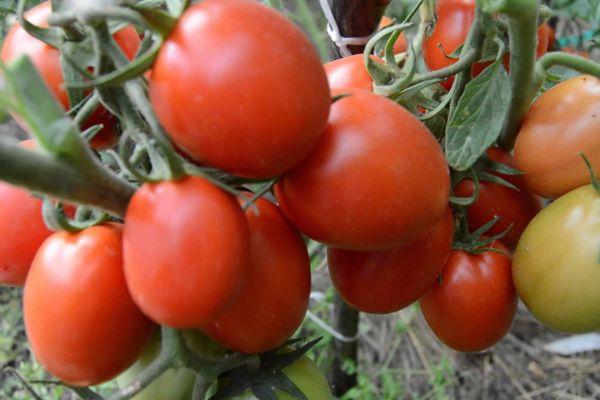
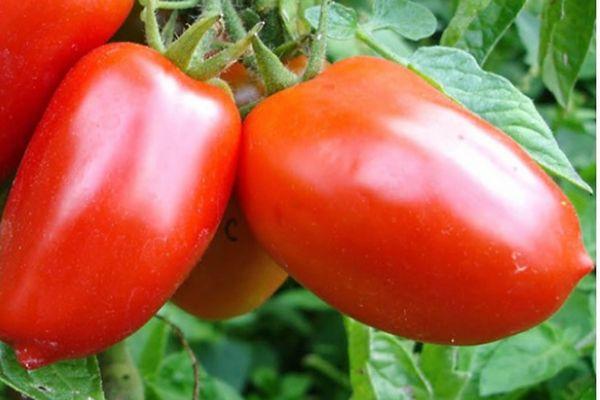
The red, round fruits of this variety, shown in the photo, resemble plums in appearance. The firm tomatoes, weighing up to 140-150 g, peel easily from the stem.
The hybrid is resistant to gray leaf spot, bacterial fruit spot, and nematodes. The fruits are used fresh and canned in cooking, and in the food industry for making tomato paste and juice.
Agricultural technology of cultivation
The best predecessors for growing the hybrid are winter grain crops, annual legumes, cucumbers, and cabbage. When choosing to grow in a permanent location without pre-cultivating the seedlings, the soil must warm to 12°C at a depth of 5-6 cm.
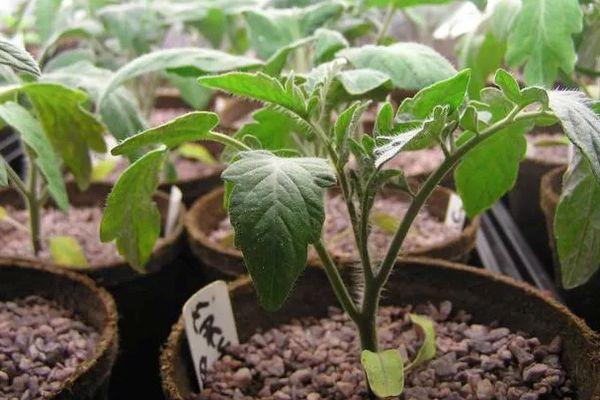
Seeds for seedlings are sown in mid-March. To do this, seeds are placed in special containers with prepared and moistened soil, covered with a layer of soil and plastic wrap until the sprouts emerge.

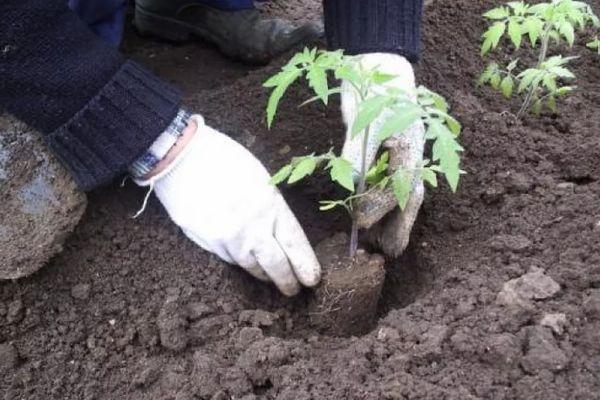
Planting material is transferred to open ground after the end of spring frosts. The recommended plant density depends on growing conditions and ranges from 2 to 7 plants per 1 m².
When using the open-ground tomato harvesting technology, in the second crop rotation after early crops (onions, cabbage, potatoes), 35-45-day-old seedlings are planted in late June. Harvesting occurs in late September.
The variety yields 10-12 kg per square meter. To maximize the yield, apply 40-50 kg of organic fertilizer and 700 g of nitroammophoska per 10 square meters before planting.
Most of the nutrients are applied in the fall, with the remainder applied periodically throughout the growing season. To improve fruit quality, potassium nitrate (200 g) and ammonium nitrate (100 g) are added per 10 m² as the fruit ripens.
During the growing season, water the plants 5-10 times using drip irrigation to maintain a balanced moisture and air supply around the root system. It is recommended to add soluble mineral fertilizers with each watering.
Biological pests of tomatoes include the Colorado potato beetle, aphids, and cutworms. When using seedling cultivation, the plants are treated with solutions of special preparations before planting.
The most harmful diseases of the crop are late blight and black bacterial spot of tomatoes. In some years, the plant may be affected by stolbur. The disease-carrying insects (leafhoppers) are controlled using insecticides.
Opinions and recommendations of vegetable growers
The Yaki F1 mid-season, low-growing tomato variety, which has received praise for its high yield and suitability for outdoor cultivation, is intended for commercial production. This hybrid is popular among vegetable growers.
Natalia Medvedkova, 49 years old, Gubkin:
"Last year, the neighbors were raving about the Yaki hybrid. I decided to try growing it in my garden. I didn't tie the tomatoes up; they grew spread out. It looked like someone had covered the red layer of the fruit. The tomatoes are firm and have an amazing flavor. They pickle beautifully, and the puree they make retains the aroma of fresh tomatoes."

Anatoly Kozhevnikov, 61 years old, Stary Oskol:
"I've long been interested in growing low-growing tomato varieties, so the Yaki hybrid caught my eye. A high yield is guaranteed with proper care. To do this, you need to prepare the soil and apply organic and complex fertilizers. The result is as in the photo with the seeds: a bountiful harvest of oval-shaped tomatoes."
Related posts:
 What is the best way to feed tomato seedlings to make them plump?
 What fertilizers and when to use for feeding tomatoes in a greenhouse
 The best eggplant varieties for growing in a polycarbonate greenhouse: planting and care
 What is the best way to mulch tomatoes in open ground and greenhouses?
 How to properly plant peas in a greenhouse and open ground
 Which tomato varieties are best for open ground?
 Description and characteristics of the best indeterminate tomato varieties for greenhouses
 The best grape varieties for growing in the Urals, planting and care rules in summer