
The Yula tomato was bred for growing under plastic covers in unheated greenhouses. The tomatoes ripen early, with a growing season of approximately 100 days. This is crucial for regions with short summers. Despite their early ripening, the tomatoes retain all their beneficial properties.
What is the Yula tomato?
Characteristics and description of the variety:
- The tomato bushes are low and belong to the determinate type.
- The maximum height is 90-100 cm.
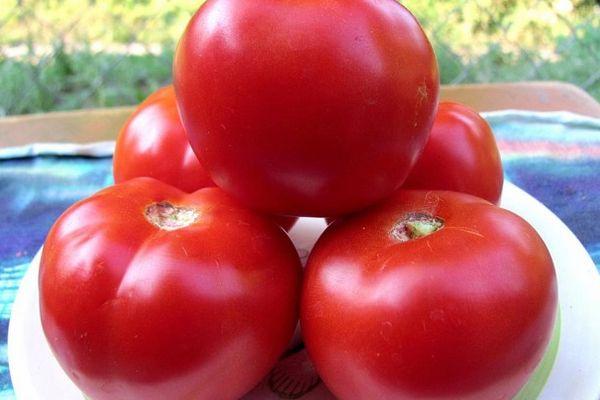
- Ripe tomatoes are red, with firm, smooth skin. They have a slightly sweet taste.
- The average weight of one tomato is 150-200 g. The yield is high - 7-8 kg of tomatoes grow per 1 m².
- Although the growers describe this variety as undemanding and hardy, as a member of the nightshade family, it prefers warmth. The plant has a robust root system, which plays an important role in the development and nutrition of the fruit.
How are tomatoes grown?
Growing begins with planting seeds and then transplanting the plants. The growing season can be divided into several stages.
At first, active root growth occurs, devoting their energy to the development of the green part. To support the plant, the seedling roots are fed with phosphorus, potassium, and nitrogen every 10 days.
The next stage is active growth and strengthening of the green part of the seedlings. This requires daylight, the lack of which in the evening is compensated for by artificial lighting.

After planting in a permanent location, the root system reactivates its development, strengthening and establishing roots in the new location. After fruit set, its growth slows down to ensure all energy and nutrients are directed toward the development of the tomatoes.
The room where the seedlings are growing should be bright, warm, and well-ventilated. The air temperature should not fall below 18°C. Frequent ventilation or keeping a window open is essential, as high humidity can cause leaf wilting, which can lead to disease and death.


Choosing the right location for tomato planting is crucial. It should be spacious and bright. Avoid planting tomatoes in areas where potatoes, peppers, or eggplants were grown. The soil left behind is often contaminated with fungi, which can ruin the crop.
Let's look at how to care for the Yula tomato. This involves loosening, hilling, and weeding the soil, as well as timely watering and fertilizing.
To improve the quality and quantity of the harvest, the bushes are shaped. To do this, shoots (stepchildren) and excess leaves are removed in a timely manner. This is necessary for the normal development of fruits, otherwise all the nutrition from the root part will go to greening the bushes.

Many people don't tie up determinate bushes, believing that low-growing plants don't need it. However, as practice has shown, supports not only help support the weight of the fruit but also increase air circulation in the leaves.
You can determine what the tomato is lacking by the appearance of the plants:
- With a nitrogen deficiency, the bushes become pale, and the leaves turn yellow and shrink. Tomatoes stop growing and become hard.
- A lack of phosphorus will be indicated by leaves curling inward.
- Excessive leaf curl is a sign of potassium deficiency.
- Yellow spots indicate a calcium deficiency.
- Discoloration and brittleness of leaves indicate sulfur deficiency.
- Brown spots and blackening of the top of the stem indicate a lack of boron.
- Changes in leaf shape and chlorosis are signs of a lack of molybdenum or iron.
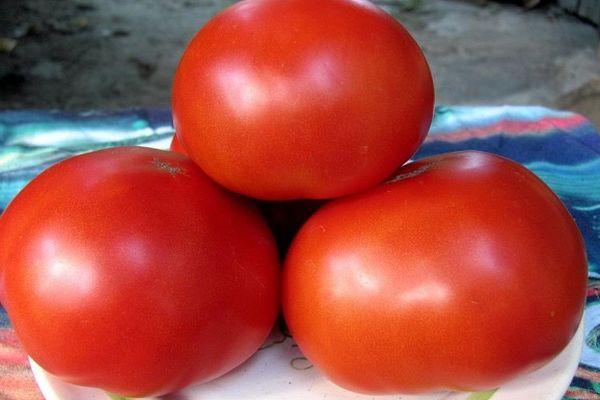
Reviews contain mixed opinions regarding the taste of this variety. Many gardeners plant tomatoes based solely on their own experience. But overall, the feedback is positive, emphasizing the high yield and long-term storage properties.
Related posts:
 Description of the best varieties of black tomatoes for open ground and greenhouses
 How to grow cherry tomatoes on a balcony: suitable varieties and planting and care guidelines
 Step-by-step technology for growing tomatoes on the balcony, the best varieties with descriptions
 The best eggplant varieties for growing in a polycarbonate greenhouse: planting and care
 80 Best Eggplant Varieties for Different Regions with Descriptions and Characteristics
 TOP 17 recipes for pickled sweet tomatoes for the winter
 The best grape varieties for growing in the Urals, planting and care rules in summer
 Description of blight-resistant tomato varieties for open ground and greenhouses

This tomato plant is fairly easy to care for; it doesn't grow very large, so it only needs to be tied up once. The yield is quite good; I only use a staking activator. BioGrow.