
Cordyline fruticosa, a variety of Kiwi, is a plant very popular among flower lovers. It is beloved for its beautiful green leaves edged in red. To ensure the plant continues to delight its owners with its impressive appearance for as long as possible, it needs to be provided with maximum comfort. Below is information on growing Cordyline Kiwi indoors, propagation methods, and care mistakes.
Description and Features
Cordyline fruticosa, or Cordyline fruticosa, is one of the many plants in the Agave family. Other common Cordyline species include: red, terminal, erect, undivided, and Australian. Indoors, these bushes reach 1-1.5 meters in height. They have a robust, knotty root system, from which numerous offshoots form.
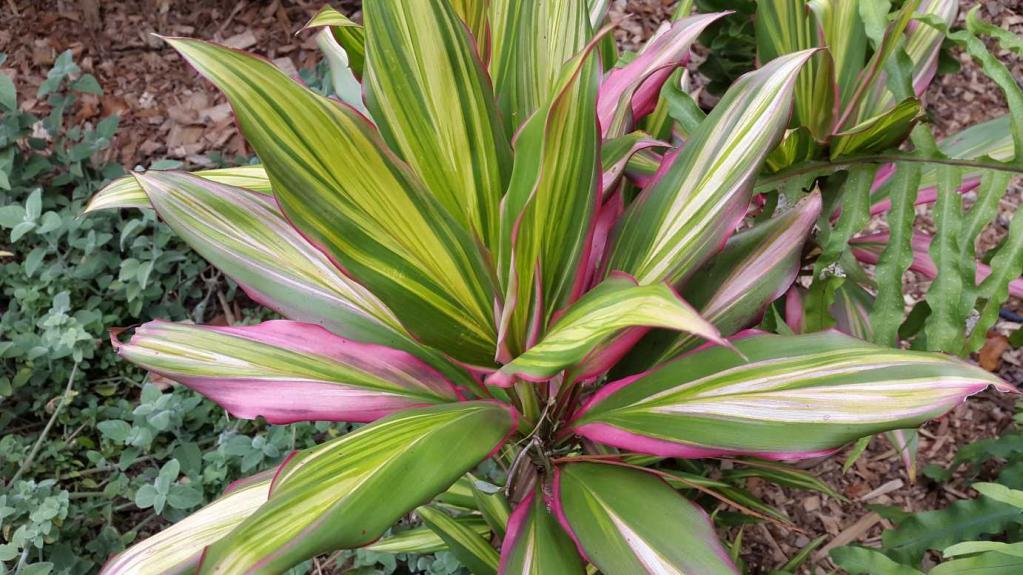
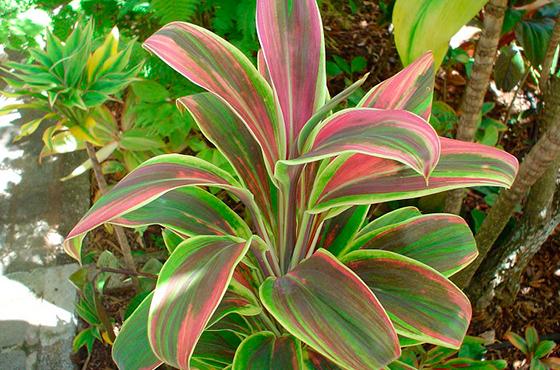
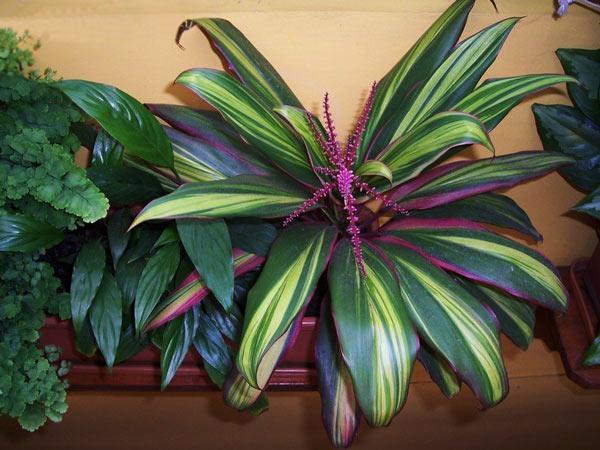
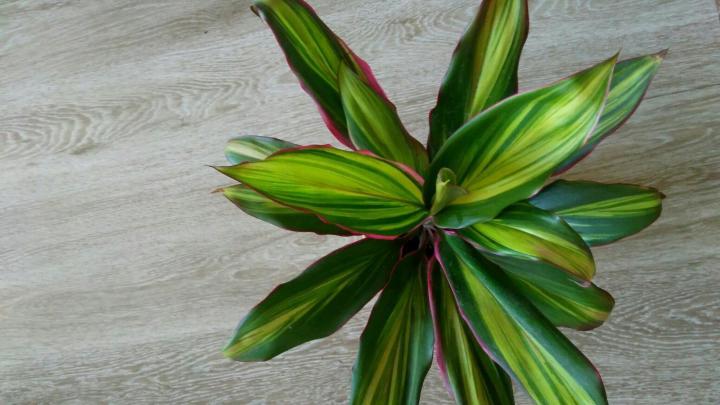
Cordyline resembles a palm tree in appearance, due to the fact that its lower leaves gradually die off. The leaf blades are 50-80 centimeters long and 5-10 centimeters wide. They are green with a crimson border. A distinct vein runs down the center, especially noticeable on the undersides of the leaves.
Please note! The shedding of the lower leaves of the flower is a natural process and is nothing to worry about.
How to keep at home
To ensure that the Kiwi Cordyline does not lose its spectacular appearance, it needs to be provided with the right growing conditions.
Lighting
Choose a location for the flower that is well-lit, but not where direct sunlight hits the leaves. Insufficient light causes the plant's stems to stretch, and the leaves to lose their color. Excessive sunlight can cause leaf burn.
Temperature
The optimal temperature for cordyline growth is 18-23°C. The pot can be placed on an open loggia or balcony for the summer, but remember to bring it indoors in September. Protect the plant from sudden temperature changes.
Air humidity
Dry air from radiators can cause leaf tips to dry out. Therefore, the radiator should be covered with a thick cloth. To increase humidity around the plant, place the Kiwi Cordyline pot on a tray filled with stones and water.
The leaves can be sprayed from a spray bottle or wiped with a damp cloth.
Watering mode
In spring and summer, water the plant generously, but only after the top layer of soil has dried out. In autumn and winter, as indoor temperatures drop, reduce soil moisture significantly. Water the bushes with warm, settled water.

Bloom
The Kiwi Cordyline blooms only in the wild or in greenhouses. The pink or white flowers are composed of inflorescences gathered in elongated racemes. The buds open gradually, starting from the base.
Top dressing
For top dressing, use a complete fertilizer for ornamental foliage plants according to the instructions. Fertilize the soil once a week in spring and summer, and once a month in fall and winter. Before fertilizing, water the soil thoroughly.
Transfer
Young bushes are repotted annually, while mature plants are repotted every 3-4 years. A sign that a Cordyline needs repotting is when roots become visible above the soil surface and also peek out from the drainage holes. Each time, the plant is repotted into a slightly larger pot than the previous one. Mature plants are transferred along with the root ball.
How to propagate
There are several ways to propagate Cordyline Kiwi at home: from tops, shoots, and, less commonly, from seeds.
Tops
This is one of the most common methods of flower propagation. To do this, cut the top of the plant at an angle with a sharp knife. Then, follow these steps:
- Activated carbon is added to a container with water and the apical cutting is placed in it;
- when the first roots appear, the shoot is planted in a small pot filled with fertile soil;
- watered, placed in a bright place, but shaded from direct sunlight.
The substrate for Cordyline Kiwi is a mixture of turf, peat, and sand. The mixture should be light and breathable.
shoots
As the bush matures, young shoots appear near the trunk. In the spring, these are separated from the mother plant and planted in separate containers.
Beforehand, the root system of the shoots can be dusted with a growth enhancer, for example, Kornevin.
Seeds
This method of propagating Cordyline is not used because it is time-consuming and labor-intensive. Seed germination is uneven, with sprouts forming within 1-3 months. Seed propagation is used for native species.
Diseases and pests
Cordyline is a delicate plant and if not properly cared for, it can be affected by certain diseases and pests.
Root rot
This disease occurs when the roots are overwatered, coupled with low temperatures. The only way to save the plant is to cut off the top and root it in new soil. The remaining part is destroyed.
Aphid
This insect can be found on the underside of leaves. Aphids suck the plant's sap, causing the leaves to curl, then dry out, and fall off. Insecticides such as Decis and Actellic are used to control the insect.
Thrips
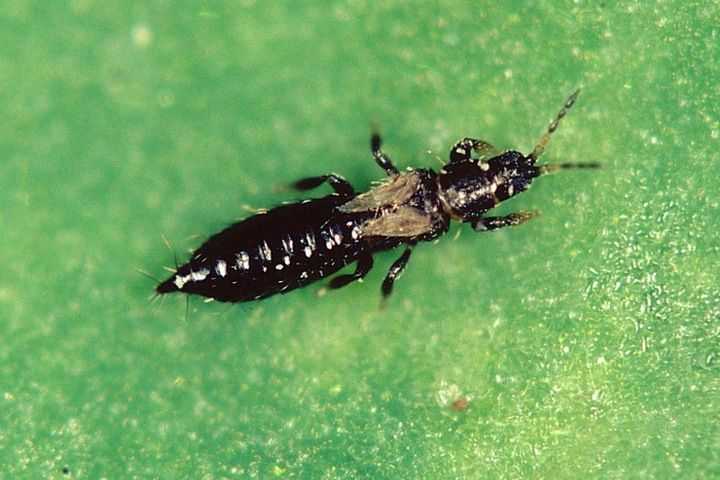
If growing brown spots appear on leaves, it's quite possible they've been attacked by a colony of thrips. The pests can be found on the undersides of leaves, which gradually begin to wilt and fall off. Thrips can be controlled by spraying the bushes with insecticides.
Spider mite
When leaves become covered in webbing, it means the Cordyline is infested with spider mites. They appear when the air is too dry. To get rid of spider mites, wipe the leaves with a damp cloth and then spray with insecticide.
Scale insect
The pest manifests itself by the appearance of brown plaques on the leaves. The scale insects suck out the cellular sap, causing the leaves to dry out and fall off. To get rid of the pest, wipe the leaves with a soapy solution and spray with Actellic.
Take a look Also

Important! You can prevent plant rot by preventing water from getting into the leaves.
Common mistakes when caring for your home
Beginner gardeners may make the following mistakes, which can lead to a decrease in the decorative appearance or the complete death of the Kiwi cordyline:
- place the plant under direct sunlight;
- in winter, water the flower often and a lot;
- do not feed the bush;
- do not inspect leaf blades to detect diseases and pests;
- do not transplant plants.
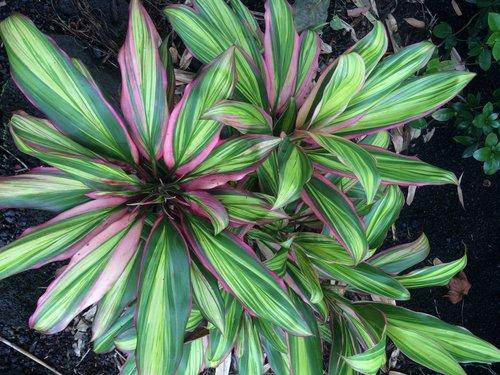
Having corrected the mistakes, cordyline lovers will once again admire the decorative appearance of the flower.
Tips and recommendations
Experienced gardeners offer the following tips and recommendations for growing cordyline kiwi:
- In summer, plants need to be watered generously, but only after the top layer of soil has dried out.
- Fertilize the bushes, otherwise they will lose their decorative appearance.
- If the air in the room is dry, you need to add expanded clay or small stones to the tray and add water to it.
- After watering, loosen the soil for better aeration.
- Keep the flower in a bright place, but not in direct sunlight.
- Wipe the leaf blades with a damp cloth, as the plant breathes through them.
Having studied the information on growing Cordyline Kiwi, a gardener will be able to grow a spectacular decorative flower on their windowsill that will delight with its appearance for a long time.
Related posts:
 The benefits and harms of kiwi for the body, how to eat the fruit, and contraindications
 Step-by-step recipes for delicious and incredibly beautiful kiwi jam for the winter
 Description and characteristics of the Kiwi potato variety, planting and care rules
 12 Best Gooseberry and Kiwi Jam Recipes for the Winter
 Planting and caring for actinidia in open ground, growing and propagating
 Description of the indeterminate Kiwi tomato variety and its growing characteristics
 Causes and treatment of eggplant pests and diseases, how to combat them at home
 Simple recipes for making banana jam for the winter