
- Roses: Plant Requirements for Growing Conditions
- Stages and rules of rose care depending on the season
- Spring
- Uncorking flowers after winter
- Sanitary pruning
- Application of nutrient supplements
- Preventive treatments
- Summer
- Watering and fertilization regime
- We trim the dried flower
- Protection from insects and diseases
- Autumn
- How to feed roses in autumn
- Pruning and preparation for winter
- Covering bushes for winter
- Tips from experienced gardeners
Roses are cared for year after year according to a set plan: uncovering, pruning, fertilizing, watering, and protecting from pests. With experience and by observing the bushes' growth, it becomes easier to adjust the amount of fertilizer, water, and pruning. But first, it's important to master the basic rules of rose care—keeping to schedule and pruning correctly.
Roses: Plant Requirements for Growing Conditions
Before planting roses in your garden, you need to check that the site's conditions meet the requirements for growing a flowering plant. The following table shows the parameters to consider:
| Condition | Optimal indicator |
| Lighting | Bright, with partial shade at midday |
| Ventilation | A ventilated area, without dense tree plantings nearby, protected from the north wind |
| Groundwater level | 1.5 meters and deeper than the ground surface |
| Soil | Loose loam with neutral or slightly acidic soil |
Roses can be planted near tall shrubs that provide sparse shade. The key is to choose a level area that doesn't collect meltwater or rainwater. Also, avoid planting a rose garden under a roof slope. Even disease-resistant varieties are at risk of fungal infection if exposed to constant dampness.
Stages and rules of rose care depending on the season
Seasonal care for garden roses at any time of year except winter consists of pruning, fertilizing, and pest prevention.
Spring
Spring care is essential for abundant rose growth and bloom throughout the year. Care for your roses should begin as early as spring, as frost can still occur in early March.
Uncorking flowers after winter
How to safely bring roses out of hibernation outdoors:
- Remove the covering gradually—while there's still snow on the ground, make holes in the covering at the end to allow the plants access to fresh air. It's important not to rush the uncovering process so the soil dries out rather than becoming damp;
- Do not uncover roses on a cloudy day or in the evening twilight—dormant roots are vulnerable to bright sun and cold wind. To prevent them from drying out, leave a single layer of covering on the bushes with air holes.
- finally uncork - after the snow has completely melted and the buds on the bushes have swollen.
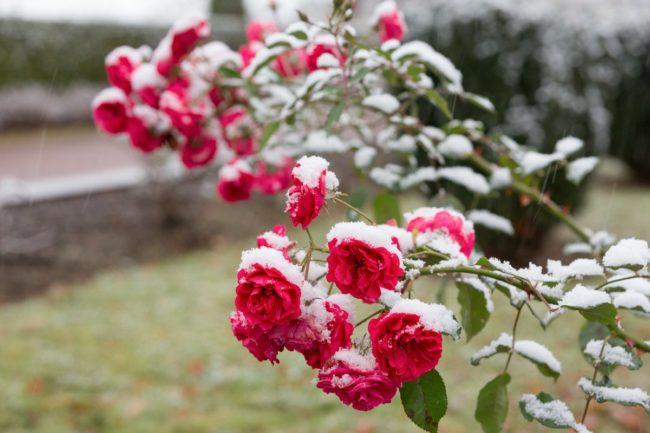
If there is a threat of night frosts, the layer of covering on the rose area is removed during the day, and the bushes are covered again in the evening.
Sanitary pruning
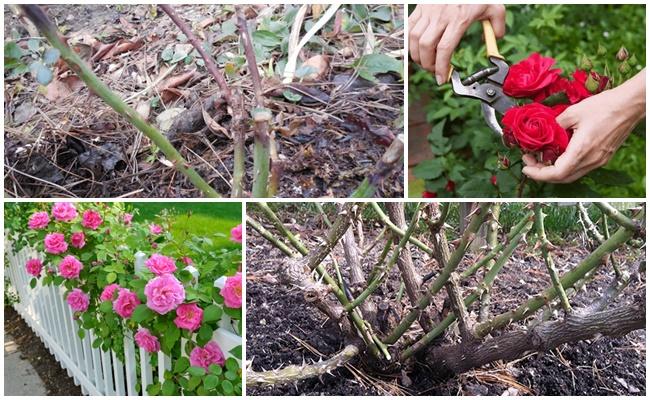
Spring pruning of roses is the most important. It's done after the snow melts and the bushes are uncovered. The following shoots are removed:
- brown, with infectious burns - cut off in parts, down to healthy tissue;
- three-year-olds with hard wood - brown branches retain nutrients and produce few flowers;
- weak, at the base - small branches thicken the bush and do not bloom;
- linked shoots, growing from one bud, develop unevenly, weaken the plant, so the strongest shoot is left, and the rest are cut off.
Secondary branches growing inward and blind shoots without buds are also removed. Dormant branches are sometimes left until fall in hopes of blooming. However, their appearance indicates overfeeding, which is why gardeners call branches without flowers "fat branches."

Application of nutrient supplements
In spring, two root dressings are applied:
- After pruning, apply a complex fertilizer with a higher nitrogen content to promote foliar growth. A week later, fertilize the plants with a manure infusion. Dissolve three parts manure in one part water, let it steep for a week, and then dilute a liter of the infusion with ten liters of water before use.
- During the budding period, roses are fed with a potassium fertilizer, such as Fertika-Leto. Wood ash is also added to the water for irrigation, 1 cup per bucket.
Foliar feeding is also carried out: the bushes are sprayed with preparations "Radiance", "Healthy Garden", "Ecoberin".
Preventive treatments
Fallen leaves from the fall and winter should be removed from the garden, and roses should be treated with copper-containing products. Gardeners use Bordeaux mixture or copper oxychloride. Leaves are traditionally trimmed and removed in the fall. Some gardeners, on the contrary, leave the foliage on long after covering the roses to provide nutrition for the roots.


Fallen leaves over the winter are believed to pose a risk for fungal growth. Experience shows that the key is not to trim the foliage, but to carry out preventative treatments with iron sulfate in the fall and copper in the spring. Cleaning the area is most convenient after uncovering the roses. After pruning and fertilizing, preventative measures are taken against the main rose pests: aphids, rose beetles, leaf rollers, and spider mites. To prevent these pests, the bushes should be treated with a variety of products, including Fitoverm, Aktara, and Baktofit.
Summer
Summer gardening helps plants bloom longer and protects them from pests.
Watering and fertilization regime
In July, repeat-blooming varieties are fed with a full range of fertilizers. Before the second flush of bloom, plants need to replenish their nutrient reserves. For this purpose, use Lignohumate fertilizer, which contains the necessary micronutrients and humates, popular in gardening. Roses that bloom once a year skip the summer feeding and wait until August for their turn. In the last month of summer, fertilize all rose varieties with potassium and phosphorus.
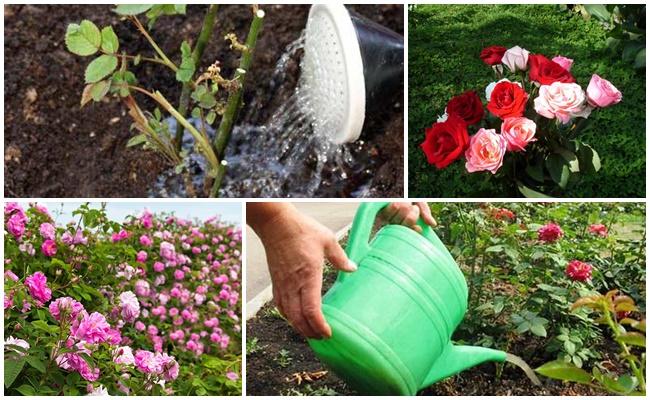
Young bushes planted in the spring don't need fertilizing. They thrive year-round on the fertilizer applied at planting. Roses require ample watering only during dry weather and during the first year after planting. The rest of the year, mature plants get enough rain. However, if the leaves turn yellow and fall off, the soil needs additional moisture.
We trim the dried flower
Summer pruning is the simplest and consists of removing faded buds. It is performed from the first blooms to the end of August. The flower stalk is cut back to the first cinquefoil. During flowering, it's a good time to remove blind shoots, as buds haven't appeared on them yet. However, overgrown branches don't need to be completely pruned; shortening them to three cinquefoils is sufficient. During summer pruning, you can correct the shortcomings of spring pruning: remove dried stumps, branches growing inward, and weak lower shoots.
At the end of August, pruning ceases. If seeds are desired, faded petals are removed from the buds to encourage seed pods to develop.
Protection from insects and diseases
In summer, roses are treated against diseases with Fitosporin, Skor, and Topaz. Leaves, buds, and shoots showing signs of powdery mildew, rust, and black spot are pruned and burned. Bushes are treated with Bordeaux mixture, Profit, or Ridomil Gold 2-3 times per season, with 10-day intervals.


To prevent pest infestations, use insecticides such as Fitoverm or Aktara twice a summer. Tobacco or garlic infusions, soapy water, or wood ash can also be used as a preventative against mold and parasites.
It is easier to fight insects at the initial stage of infestation, so you need to inspect the roses every week.
Autumn
The main goal of autumn work is to prepare rose bushes for winter. Covering protects plants from freezing during temperature fluctuations. As the weather warms, active sap flow begins in the shoots. Subsequent frosts cause the sap in the awakened stems to freeze, causing the tissue to rupture. Damage weakens the bushes, so covering them is a necessary protective measure.
How to feed roses in autumn
The main fertilizers used after flowering and before dormancy are wood ash, phosphorus, and potassium. Ash contains elements essential for plant recovery—boron, iron, zinc, as well as potassium and phosphorus. It is applied under the bush as a dry fertilizer or as a watering solution, and the infusion is sprayed on the leaves.

Fresh banana peels are a good source of potassium. Bury them under bushes, where they will enrich the soil with this beneficial micronutrient as they decompose.
When caring for outdoor roses in the fall, it is important to reduce the amount of nitrogen in fertilizers to a minimum to prevent new green shoots from appearing.
Pruning and preparation for winter
Roses begin preparing for winter dormancy as early as September, with the cessation of watering and loosening. The beds are weeded. The timing of fall pruning depends on weather conditions. It is usually done before covering the roses, when the air temperature reaches 5°C (41°F). Before winter, roses require gentle pruning, especially hybrid tea and floribunda roses. The roots of evergreen shrubs receive nourishment from their leaves. Hybrid teas cut in half and floribundas cut by two-thirds weaken without their above-ground parts. However, severe pruning also has an advantage. Shortened roses don't require extensive shelter.
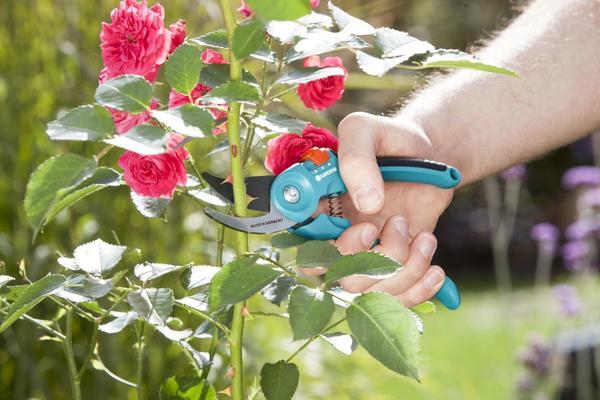
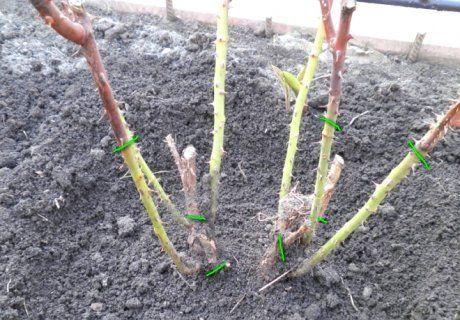
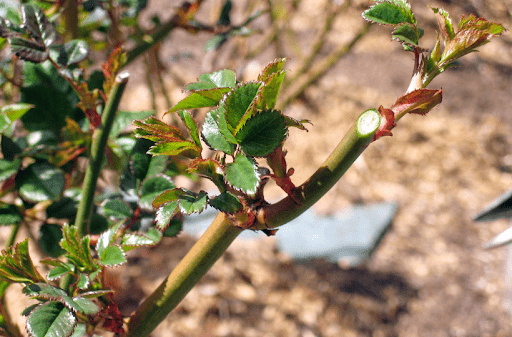
All rose varieties are trimmed of green tops, unopened buds, and late red shoots. These parts of the plant won't survive the frost and will still need to be pruned in the spring. To prune the bushes correctly, use sharp pruning shears and make cuts at a 45-degree angle toward the outside of the stem. The shoots are cut above the bud, so that the bud points outward. This pruning method encourages outward growth and prevents the bush from becoming too dense.


Covering bushes for winter
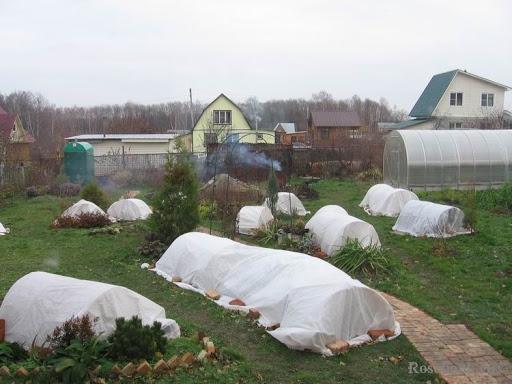
Young bushes are always covered: sprayed with a 4% ferrous sulfate solution, bent to the ground, and secured with metal staples. The main purpose of the cover is to protect the roses from moisture. In October, a metal frame is installed over the bushes and covered with plastic film to keep the soil and bushes dry.
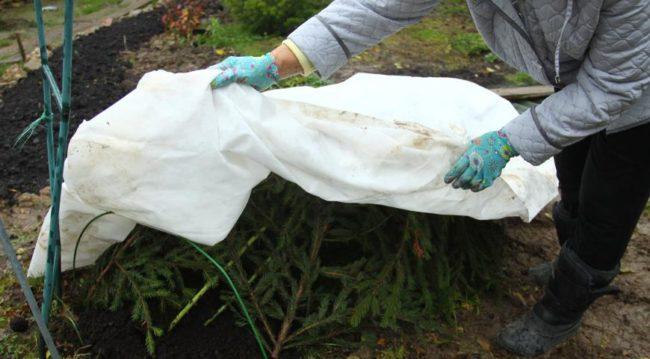
Spruce branches or agrofibre are used for winter cover. The pine branches act as a natural antiseptic and provide good ventilation. Roses will not rot under this natural cover. Plants are pre-hilled with peat. The material retains heat well and serves as additional fertilizer in the spring. Sand is also used for hilling, but it cools quickly.
Lutrasil and spunbond are easier to obtain than spruce branches. Bushes are covered with two layers of the material, waxed side up, and covered with plastic film. If the roses have been under plastic since October, the soil underneath will be dry and there's no need to worry about mold. In winter, heat will rise from the ground. Under the agrofibre, the plants enjoy a stable microclimate.
Tips from experienced gardeners
To ensure a rose garden consistently produces large blooms each year, rejuvenating pruning is necessary. Old shoots have dark wood. If left untreated, the bush ages and produces few flowers. Removing three-year-old shoots stimulates the formation of young, green branches and new roots.
It's important not to confuse a blind shoot with the main, basal shoot. It grows as a replacement shoot from the root collar after rejuvenation pruning.
When caring for roses, adhere to the following rules:
- weak shoots are shortened by three-quarters of their length, and strong ones by a quarter;
- Removed branches must be burned immediately, as they cannot be used for vegetative propagation;
- Always treat cuts with garden pitch or sprinkle with ash to prevent infection from penetrating through them;
- To ensure better absorption of root fertilizers, they should be added to the irrigation water;
- water with settled or rainwater, do not fill buckets from a well or under a water tap;
- Pour water under the roots or into a furrow dug around the perimeter of the tree trunk. Waterlogged leaves will burn in the sun and become a source of fungus.
To renew the bush, leave three strong shoots and prune the rest back to the root ring. After pruning, add a complex mineral fertilizer and compost to the area around the trunk. Root growth should be stimulated with a Kornevin solution: dissolve a packet in five liters of water and water. Repeat the application twice in the summer. By fall, green shoots will emerge. Four of the strongest should be left, which will form the skeleton of the rejuvenated bush.
Related posts:
 Top 7 varieties of shrub roses, their planting and care in open ground for beginners
 Planting and caring for park roses in open ground, growing rules
 Description of the Cordana rose, planting and care at home
 Top 50 best new rose varieties of 2025 with descriptions and characteristics
 Growing Climbing Roses and the Top 10 Varieties, Planting, and Care in the Open Ground
 How to plant roses in autumn and at what distance, and further care
 When is the best time to transplant roses and how to do it correctly?
 Top 4 indoor rose varieties, their cultivation and care at home