
- How the hybrid was bred
- General description
- Type of bush
- Characteristics of the fetus
- Chemical composition and health benefits of melon
- Varieties of pineapple melon
- Gold
- American Pineapple Melon
- Americano
- Melon Pineapple F1
- How to plant a crop on a plot
- Optimal timing
- Selecting a site taking into account crop rotation
- Sowing pattern and depth
- When to expect the first shoots
- Necessary care for melons
- Watering mode
- How to fertilize bushes
- Loosening and weed removal
- Prevention of diseases and pests
- Harvesting and storage
- Pineapple Melon Reviews
The aromatic Ananasovaya melon is a favorite among many gardeners. Thanks to its short ripening period and easy care, it can be grown in any climate zone. It is suitable for both open ground and greenhouses. It is grown with equal success in private gardens and commercially. Several melon varieties with similar flavors have been developed from this variety.
How the hybrid was bred
The Ananas melon is botanically known as Cucumis melo in the Reticulatus group. The cultivar's exact history is unknown. It is generally believed to have originated in Africa. From there, it arrived in France in 1777, where it became known as Ananas D'Amerigue a Chair Verte. Since 1974, it has been cultivated at the Monticello estate by Thomas Jefferson. The cultivar first appeared commercially in America in 1824. Today, it is a popular cultivar grown for personal consumption in the United States and the Middle East.
General description
The high-yielding Pineapple melon is a mid-season to early variety. Depending on the variety, it ripens 60 to 100 days after planting. It thrives in warmth and light. A single plant yields 9 to 15 kg.
Type of bush
It is an annual plant with creeping stems and tendrils. Large, alternate leaves cluster on the stems. It bears bisexual yellow flowers. The fruit is a pumpkin with a variety of colors and a distinctive flavor.
Characteristics of the fetus
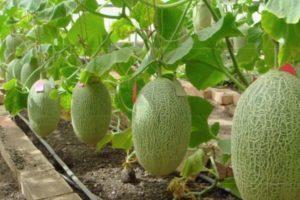
The oblong or round fruits have a yellow-golden skin with a dense texture. The flesh is juicy and tender with a distinctive pineapple aroma. The fruits grow up to three kg.
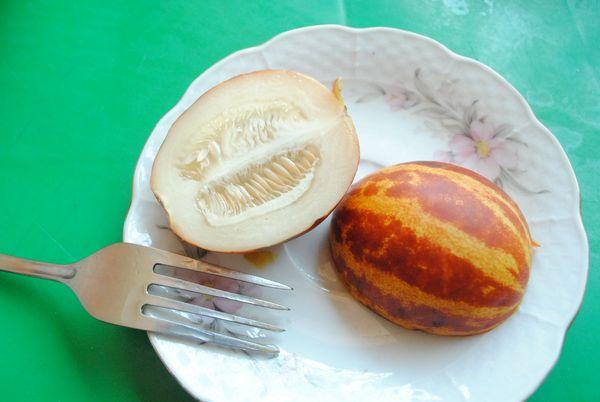
This variety is suitable for long-term storage and transports well. It retains its flavor for two months without spoiling.
Take a look Also

Chemical composition and health benefits of melon
Like most other varieties, Pineapple melon is a source of vitamin PP, ascorbic acid, beta-carotene, riboflavin, thiamine, vitamin B5, and folate. It has a high energy value: 100 grams contain 38 kcal.
Varieties of pineapple melon
Breeders have developed several varieties based on the Pineapple variety. They differ in shape, size, and ripening time.
Gold
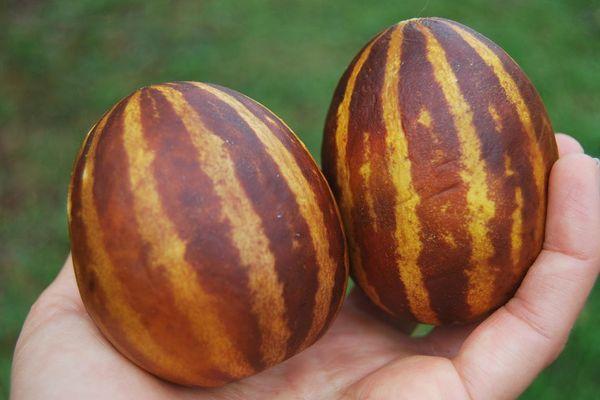
The Gold variety has a greenish skin with a rough surface and an oval shape of fruit up to 16 cm long. Its flesh is rich yellow with a greenish rim at the base. It often weighs up to 2.5 kg. The growing season varies depending on growing conditions and ranges from 65 to 95 days. It tolerates unfavorable ripening conditions well.
American Pineapple Melon
The American pineapple is characterized by a medium ripening time and produces large yields. The growing season lasts up to 95 days. The fruits are round and have light green skin. The maximum fruit weight is 2.2 kg. This variety is frost-resistant and has excellent shelf life.
Americano
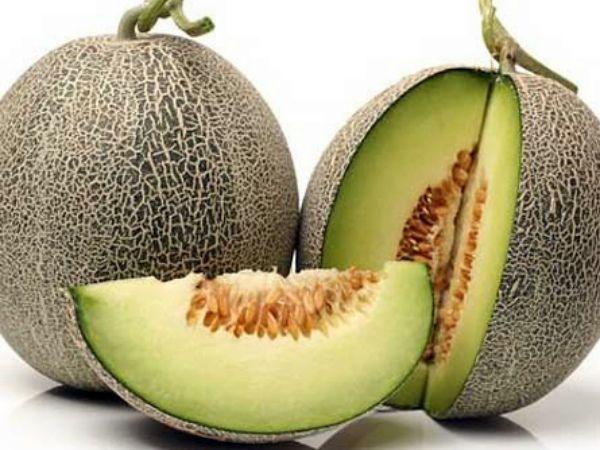
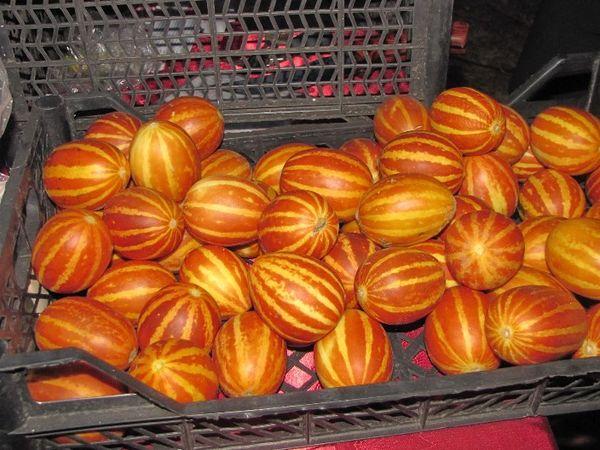
The Americano melon produces small fruits, weighing up to 400 grams. They are easily distinguished by their bright yellow rind with characteristic dark stripes and white, firm flesh.
Melon Pineapple F1
Just 90-100 days after planting, the F1 melon produces sweet, oval-shaped fruits with a delicious pineapple flavor. The skin is thin and yellowish-green. The fruits are small. Their weight, depending on growing conditions, ranges from 1.3 to 2.3 kg.
How to plant a crop on a plot
In southern regions with a mild climate, pineapple melon can be planted in the ground and grown without cover. In colder areas, it's more productive to plant seedlings and grow them in greenhouses. This method allows for a shorter harvest time and regardless of weather conditions.
Optimal timing
The arrival of the first days of spring marks an exciting time for gardeners. During this period, seeds are soaked and allowed to germinate. Sowing times vary depending on the region and growing method. When growing from seedlings in the southern part of Russia, soaking seeds can begin as early as early March. For Central Russia, sowing times extend until early April.

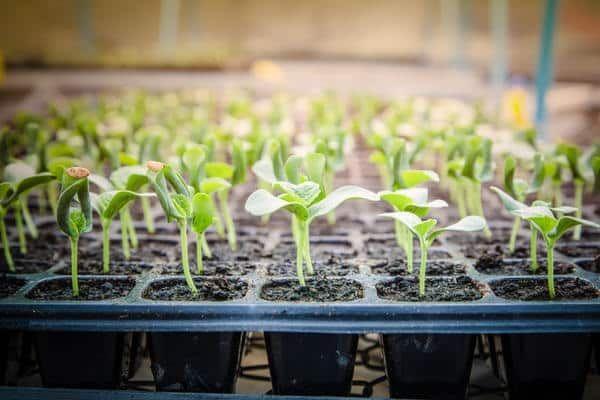
Place the seeds on a damp cloth soaked in a weak solution of potassium permanganate and leave them on a radiator or in another warm place for several days. When the cloth begins to dry out, lightly moisten it. Once the seeds begin to sprout, they can be planted in pre-prepared cups or other containers.
As a rule, at a temperature of about +30 °C, the germination of fresh and high-quality seeds takes no more than a week.
Selecting a site taking into account crop rotation
Virgin land is an excellent option for planting melons. If such land is unavailable, perennial grasses, carrots, and cabbage can be used as precursors. The plant should not be grown in the same location for more than two years.
Sowing pattern and depth
When planting seeds outdoors, wait until the soil warms up to 15°C. Lower temperatures reduce seed germination rates, resulting in weaker plants susceptible to various diseases.
The seeding depth depends on the soil characteristics. In light loam soils, it's 4 cm, and in sandy loam soils, 5 cm.
When to expect the first shoots
The cups are covered with plastic film or glass, creating a greenhouse effect. As soon as the first sprouts appear, the film is removed. This will prevent the still-weak sprouts from burning.
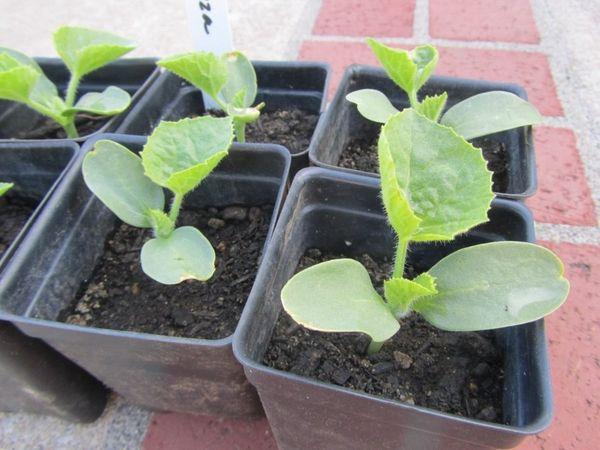
The container with the sprouted seeds is placed in a bright spot. If it's not possible to place the seedlings on a windowsill, daylight hours are artificially extended using lamps to speed growth and prevent the plants from stretching. Seedlings are grown in cups for no more than 25 days. They are then transplanted into greenhouses or open ground.
Necessary care for melons
Pineapple melon is easy to grow. Timely watering, fertilizing, weed removal, soil loosening, and disease prevention will help increase yield and shorten the ripening period.
Watering mode
Watering is the key to successfully growing melons. During dry periods, one bush requires about three liters of water. Watering should be stopped during flowering and a week before harvest. If the soil is too wet during ripening, the melon will be tasteless and watery.
How to fertilize bushes
Two weeks after planting, add 20 grams of ammonium nitrate dissolved in 10 liters of water. During the fruit set period, water the melon with a mullein solution.
Take a look Also
Loosening and weed removal
After each heavy watering, loosen the soil. This will prevent a hard crust from forming on the surface and will oxygenate the roots. Avoid allowing weeds to overgrow the beds, as they rob the melons of essential micronutrients and moisture. This competition results in weak melon growth, which affects the yield.
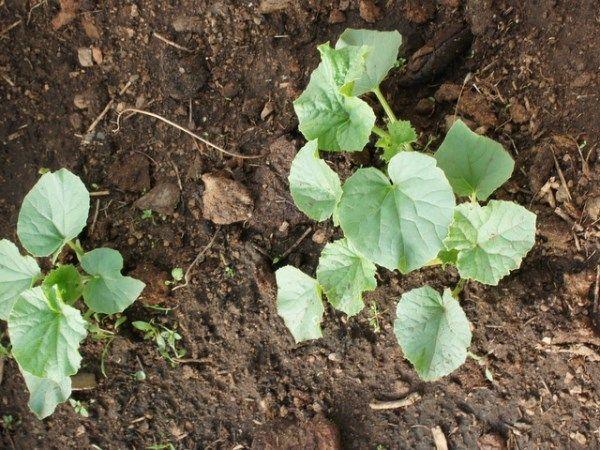
Mulching the soil with straw or sawdust will help prevent the stages of loosening and weed removal in the technological process of growing pineapple melon.
Prevention of diseases and pests
Pineapple melon is resistant to the main common diseases, but various pests like to settle on it:
- wireworm;
- copperhead;
- aphid;
- spider mite.
To prevent their widespread spread and avoid the use of chemicals, safe folk remedies are used. Solutions containing laundry soap, ash, and onion or garlic decoctions are effective against insect infestations. Marigolds are planted around melon beds.
Harvesting and storage
A ripe melon easily separates from the stem. The fruit is not harvested all at once, but rather as it ripens. When cutting, leave a stem about three centimeters long. The cut fruits are left in place for several days, turning them periodically. Then they are stored in a dark, dry place.
Pineapple Melon Reviews
According to numerous reviews, many gardeners have found the Pineapple Melon a favorite. Regardless of the weather, the fruits grow juicy and delicious. A boosted immune system facilitates chemical-free harvesting.
Thanks to its unique flavor and juiciness, the pineapple melon has become a popular garden variety in Central Russia. It is tolerant of weather conditions and requires little care.
Related posts:
 Names and photos of 37 best melon varieties, descriptions and characteristics of all types
 Description and technology of growing Vietnamese melon, varieties
 Description and characteristics of the Honey melon variety and cultivation of the crop
 Description and selection of the Torpedo melon variety, benefits and harms for the human body
 Golden recipes for preparing pickled melon for the winter and storing the prepared products
 Description of the Cantaloupe melon variety, planting and care instructions
 How to freeze melon pieces and halves for the winter at home: the best recipes
 Description of the Lada melon variety, planting, cultivation, and care