
Honeydew melon is an annual plant grown outdoors in regions with favorable climates. Its flavor and nutrient content make it popular among gourmets.
Benefits of Culture
The plant grew thousands of years ago in northern India and then spread to Asia. It is now cultivated in Morocco and other countries.
This melon variety has a stem that reaches 200 m in length. The flowers are unisexual, and pollination requires dry, warm weather. Pollination occurs through insects.
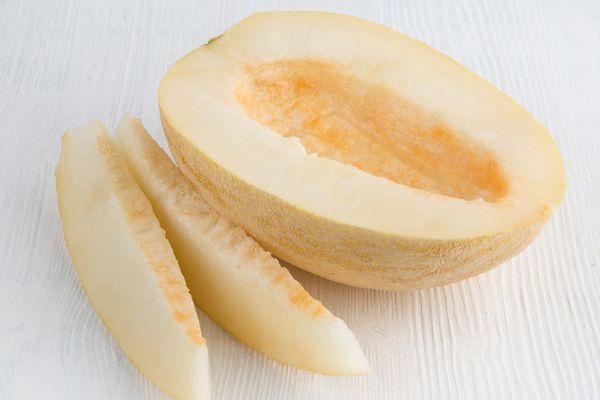
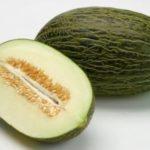
Honeydew melons are oval-shaped and have a smooth, ridge-free rind. The fruit is bright yellow and has a sweet aroma. The flesh is two-toned, green near the skin and a honey-amber color toward the center. The fruit has a sweet flavor and rich aroma.
Useful qualities of the product
Early-ripening varieties can be stored for up to one week. Mid-season varieties retain their flavor for several months. The caloric value of the fruit is 33 kcal per 100 g.
Honeydew melon is rich in vitamin A, which has a beneficial effect on vision. The fruit contains beneficial microelements, vitamins PP and A, and ascorbic acid, which helps strengthen the immune system.
Consumption of the product has a positive effect on the functioning of the body due to the presence of fiber. The pulp of the fruit helps to increase hemoglobin.
For cosmetic purposes, melon pulp masks are used to cleanse the face and reduce freckles and age spots. Low-calorie melons are included in diets during weight loss.

People with diabetes and ulcers should avoid eating melon. Melon can be harmful if you have an intolerance. Excessive consumption of the fruit can cause gastrointestinal problems.
It is not recommended to combine melon with heavy foods that may cause fermentation. Contraindications include stomach upset, dyspepsia, and breastfeeding.
Honeydew melon is used fresh in cooking as a standalone dessert. The pulp is used to make candied fruit and jam.
Take a look Also

Varieties of the crop
Thanks to its flavor, many vegetable growers value this plant and grow it in their gardens. Cultivation techniques depend on the variety, of which some are popular.
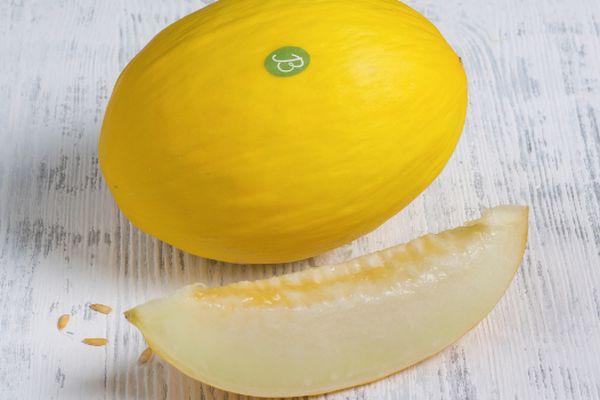
The spherical fruits of the Siberian Honey melon reach 1-2 kg. This mid-early ripening variety is resistant to low temperatures. The fruits are patternless and yellowish in color.
The flesh is light cream-colored, juicy, and sweet. The crop is grown from seedlings; seedlings with three to four cotyledon leaves formed are transplanted into open ground.
A soil temperature of 14°C is essential for planting. It is recommended to plant 1-2 seedlings per square meter. A hybrid of this variety has been developed by agrobiologists.
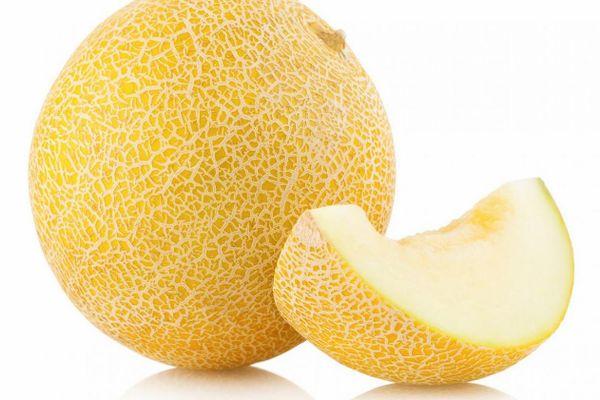
The mid-early Medovaya Skazka variety is characterized by a growing season lasting 75-85 days. The fruits are round, with a light yellow mesh on the surface. Ripe fruits weigh 2-4 kg.

The pulp is white or cream-colored, sweet, and soft and delicate in flavor. Due to its high sugar concentration, it is used to make sweets and candied fruits.
The crop is pest-resistant. The fruits tolerate long-distance transportation well. When grown in a garden, seedlings are used: seeds are placed in peat pots and then transplanted into the soil. If the region's climate permits, the seeds are planted directly into the garden beds.
The Medok melon has a honey-sweet flavor. The round, yellow fruits weigh 2-4 kg. The aromatic pulp is used in oriental sweets.
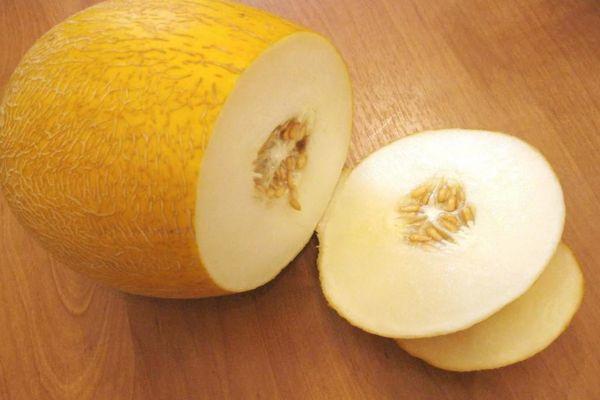
This variety is characterized by early maturity and resistance to major diseases. The harvested crop tolerates transportation well. The variety is grown from seedlings, but in southern regions, the seeds are sown directly into the soil. The bushes are tied to a trellis, and side shoots are removed from the stems up to 50 cm in height.
The Skazka melon ripens in 60-62 days. The fruits are elliptical, with smooth, patternless skin. They weigh 1.6-2 kg, and the flesh is juicy, sweet, and crisp, with a light creamy hue.

It is eaten fresh and processed into jam and preserves. The variety is disease-resistant. It is grown from seedlings; when 3-5 leaves form, the seedlings are transplanted to a permanent location. Care involves removing shoots and shaping the bush.
The giant melon is a late-ripening variety, bearing fruit in 100 days. The oval-shaped fruits are suitable for long-term storage. This variety is characterized by a fragrant and vibrant flavor.
Tips for greenhouse cultivation
Melons can be grown indoors. In this case, each plant needs its own feeding area, moisture, air, and access to pollinating insects.
To ensure normal development of seedlings, the air temperature should be at +25°C during the day and +17°C at night.
There are no strict ripening time requirements for protected soil. Cultivating early varieties allows you to enjoy the fruits in midsummer.
Related posts:
 Names and photos of 37 best melon varieties, descriptions and characteristics of all types
 Description and technology of growing Vietnamese melon, varieties
 80 Best Eggplant Varieties for Different Regions with Descriptions and Characteristics
 Description of the Cantaloupe melon variety, planting and care instructions
 50 Best Pumpkin Varieties with Descriptions and Characteristics for Outdoor Planting
 Description and subtleties of growing the Pineapple melon variety
 Description and characteristics of the 60 best sea buckthorn varieties, how to choose depending on the region
 The best grape varieties for growing in the Urals, planting and care rules in summer
I like this variety; the fruits are small but very sweet, with tender flesh. Growing them is hassle-free; just fertilize the soil regularly. I useBioGrow".