
- Description and Features
- History of selection
- Popular varieties
- Iroquois
- Blondie
- Charente
- Gaul
- Prescott
- Parisian
- White Muscat
- Green
- Yellow
- Oksana
- How to plant correctly
- Preparing seedlings
- Recommendations for choosing deadlines
- Selecting a soil mixture
- How to choose and prepare planting material correctly
- How to plant
- Further care
- Site selection and preparation
- Planting diagram
- Care instructions
- Watering mode
- Formation
- Diseases and pests
- Downy mildew
- Microspherella rot
- Fusarium wilt
- Nematodes
- Aphid
- Spider mite
- Harvesting and storage
- Common mistakes
- Tips and recommendations for growing
Cantaloupe melon is a popular garden variety. It boasts a wide variety of cultivars and excellent flavor. To achieve excellent growing results, it's important to strictly follow the growing guidelines. Regular watering, feeding, and pinching are also recommended. Protection from diseases and pests is also crucial.
Description and Features
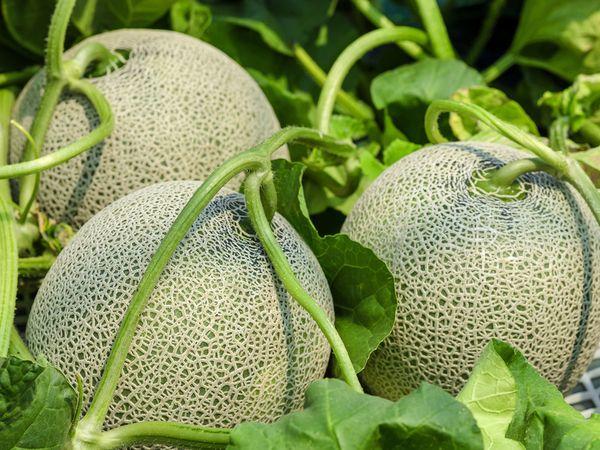
The plant belongs to the Cucurbitaceae family. It is characterized by robust bushes and large, trailing leaves. The fruits weigh up to 1.5 kilograms. The melon is decorated with a striped, textured rind.
This variety is popular in America. It is also common in Western Europe. Its fruits are used to make delicious candied fruit and jam. Cantaloupe also contains a lot of carotene, which increases its nutritional value.
The berry is used in a variety of dishes due to its distinct aroma and pleasant taste. This is why the plant is called "musk berry." The variety is easy to care for and resistant to most diseases.
Cantaloupe is considered a mid-season crop. It is not recommended for long-term storage. However, it can be transported over long distances.
History of selection
The first mentions of cantaloupe appeared over 2,000 years ago. Information about this plant appears in historical documents from Guinea and India. However, the crop became more widespread in Western Europe.
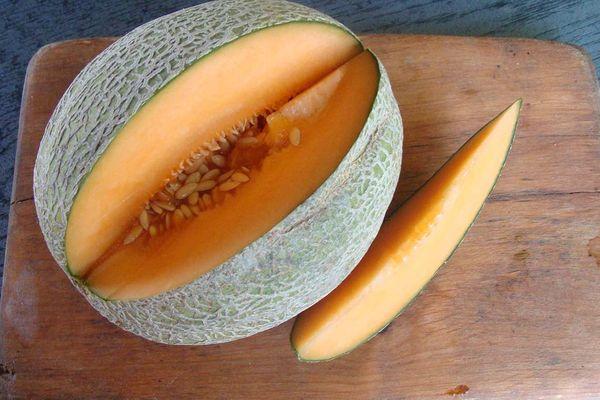
Today, cantaloupe is found practically throughout the world. It came to Russia from Italy, where the plant is prized for its refined flavor. Many varieties have spread from Italy. One of them is the Kasaba variety, which has white flesh.
Cantaloupe has become popular due to its low maintenance. A lack of moisture doesn't pose a problem throughout the season. Chefs often add the berry to their dishes because of its rich aroma and excellent flavor.
Popular varieties
Today there are many varieties of this plant that are popular among gardeners.
Iroquois
This variety was bred in America. This vigorous plant is characterized by long vines and large, dark green foliage. It ripens in the middle of the season.
The fruits have a rough mesh texture and are oval in shape. They weigh 1.7 kilograms and have a good shelf life. It is recommended to harvest the melons on time to prevent them from becoming overripe. The crop is disease-resistant.

Blondie
This variety is characterized by a medium ripening period. It easily adapts to any climate, soil composition, and moisture content. The fruits are small, oval or flattened, weighing no more than 600 grams. The variety is resistant to root rot.
Take a look Also

Charente
The plant is popular worldwide. Its fruits are small in weight—0.6-1 kilogram. While Charentay resembles other plants in its characteristics, its distinctive feature lies in its distinct and persistent aroma. The variety is characterized by a piquant flavor. The plant is cultivated in France. Melon is usually used as a supplement.
Gaul
This variety was developed by Israeli breeders. The plant is easy to care for, yet tolerates both humidity and drought well. It is also cold-hardy.
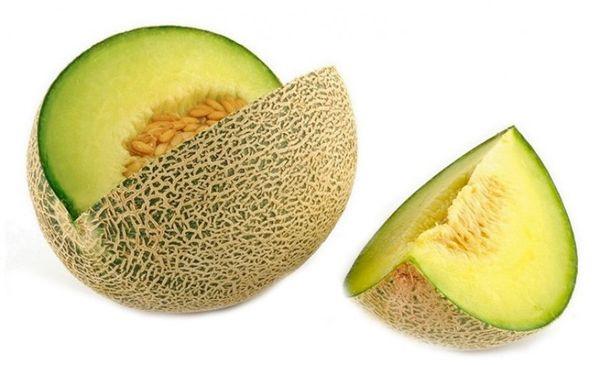
This mid-season variety has greenish flesh and is not very large. Its main advantage is its excellent immunity and adaptability to any climate.
Prescott
This is an old French variety of the plant. Its appearance is unique. It is characterized by white, ribbed fruits with numerous tubercles. When cut, the flesh has an orange hue. It has a wonderful aroma and a sweet taste. This variety is rare.
Parisian
This is another French variety. It boasts excellent flavor and an attractive appearance. The plant is considered easy to grow and is suitable for cultivation in various regions.
White Muscat
This is an early variety. It ripens in 60-70 days. The fruits are round and have a smooth skin. They can weigh up to 2 kilograms. Inside, they contain juicy, sweet, greenish flesh.
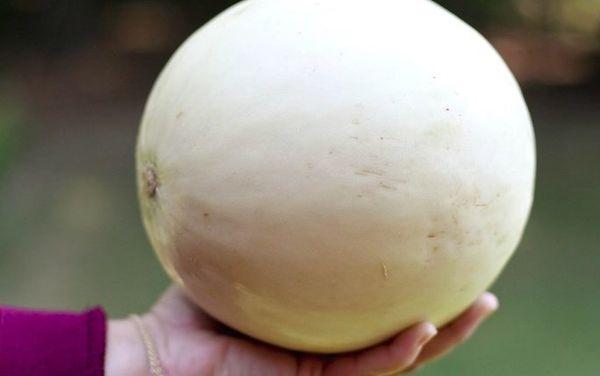
The plant is easy to transport. It is recommended to plant it in greenhouses. The fruits are eaten fresh or dried.
Green
This variety gets its name from the green skin. The plant produces small, round fruits weighing 1-1.2 kilograms. They have a noticeable, mesh-like texture.
The crop is characterized by a thick skin, making the harvest suitable for long-distance transportation. Inside lies green, creamy flesh that is very juicy.
Yellow
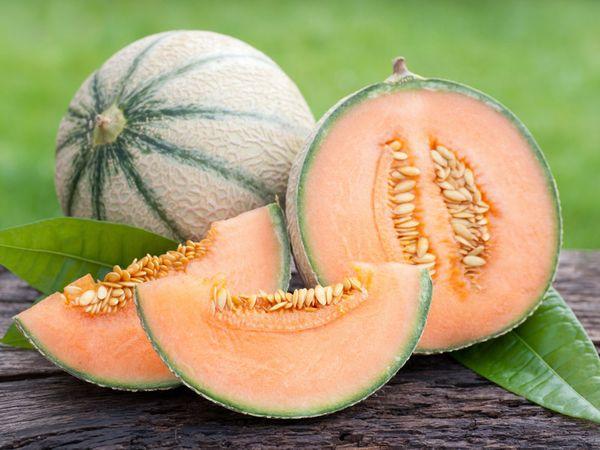
The fruits reach 1.5-2.2 kilograms in weight. They are distinguished by their round shape and segments. The melon has a noticeable relief and ripens in late August. In cool climates, the plant can be grown in greenhouses. However, there are some successful cases of planting it in open ground. Inside is orange flesh with a green tint. It has a pleasant aroma and is very juicy.
This variety is characterized by high sugar levels, reaching 14%. The fruits are eaten fresh, dried, or cured.
Oksana
This hybrid variety produces large fruits, weighing up to 4-5 kilograms. They are distinguished by their oval shape and yellow color. The skin is covered with a dense mesh. Inside is white flesh. It is considered quite juicy and slightly tart. The stem is considered medium-sized. The variety is resistant to common diseases.
How to plant correctly
Select specific areas for planting. They should be well-lit and sun-warmed. Avoid areas exposed to cold winds. South-facing slopes are recommended.
Preparing seedlings
Melons can be planted in two ways: in the ground or from seedlings. The latter is usually used in cold climates.
Take a look Also

It's recommended to sow seeds for seedlings in early April. Peat pots are best for this purpose. This will help avoid the need for transplanting and will significantly simplify care.
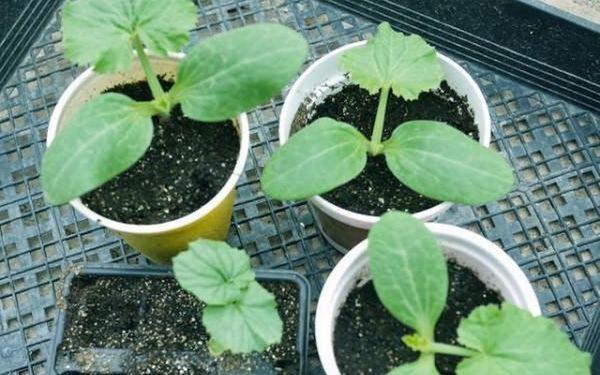
The seeds should be planted in soil, watered, and the pots covered with plastic wrap. Place them in a warm, well-lit location.
Recommendations for choosing deadlines
It's recommended to plant seedlings in April. They should be transplanted into the soil after 1.5 months. When planting outdoors, this should be done at the end of May.
Selecting a soil mixture
Melon prefers loamy and sandy soils, with a pH of around 6.
How to choose and prepare planting material correctly
For planting, it's recommended to use the largest, highest-quality seeds. Before planting, soak them overnight in a growth stimulant. Aloe vera juice also works well.
How to plant
To carry out planting work, it is recommended to perform the following steps:
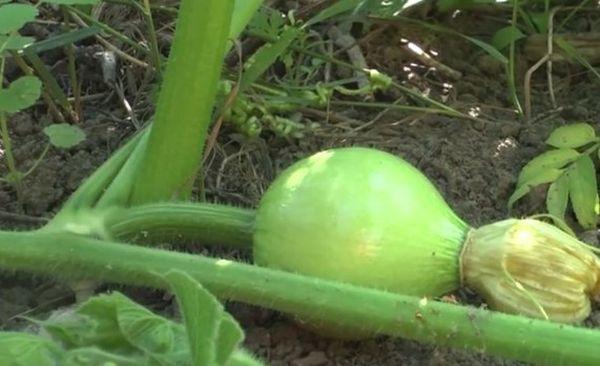
- Prepare the holes. Divide the plot into rows spaced 130-140 centimeters apart. In each row, make holes 4-5 centimeters deep, spaced 70-90 centimeters apart.
- Sow the seeds. Place 3-4 seeds in each hole.
- Fill the holes. It is recommended to cover them with soil and create a small mound above the surface.
Further care
After planting, the plants should be watered thoroughly. It's recommended to cover the beds with plastic film for the first few weeks. Once the plants have established themselves and become stronger, they can be harvested.
Site selection and preparation
A sunny, well-lit spot is ideal for planting melons. It's important that the soil is loose and light. The beds should be dug beforehand. Add manure, compost, and humus to the soil.
The soil is then covered with a special material. This will ensure the soil warms up. By the time the plant is planted, the soil temperature should be at least 18 degrees Celsius. Planting in a low-lying area is not recommended, as water can accumulate there. Raise the beds.
Planting diagram
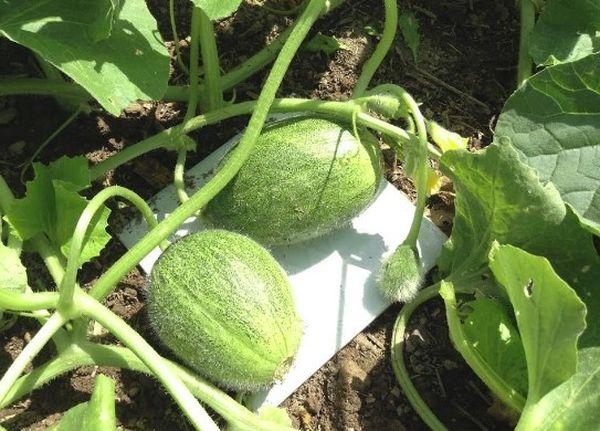
Once the soil has warmed, it's time to plant. Melons are typically planted in rows. Space adjacent plants at least 30-35 centimeters apart. The distance between rows should be at least 1 meter. If the seedlings were grown in peat pots, they should be planted alongside them.
If the seeds are planned to be planted in the ground, 5 of them are placed in each mound.
After planting, it's recommended to water the beds. Initially, it's a good idea to cover the plants with plastic. This can then be removed once the plants have adapted and become stronger.
Care instructions
To ensure a plant's normal development, it needs high-quality care. This care must be comprehensive.
Watering mode
The plant requires ample watering, especially during dry periods. Avoid allowing water to pool between rows, as this will damage the fruit and stems.
In hot weather, the foliage may appear wilted or faded. However, this doesn't mean the plant needs more water. By evening, it will adapt to the new conditions. It's important to avoid getting the stem wet, as this can cause damage.

Formation
To ensure a beautiful plant, pinch it back early. This will encourage lateral branches to form. Fertilize the plant during the active growth period, using nitrogen-based fertilizers. After flowering and during fruit formation, apply potassium- and phosphorus-based fertilizers.
To keep the stems off the ground, they are tied. Experienced gardeners use low trellises. Support is required for developing fruits.
Diseases and pests
Sometimes crops encounter dangerous diseases and parasites, which lead to reduced yields and even plant death.
Downy mildew
It can be identified by yellow spots on the leaves. To prevent the spread of the disease, fungicides are used, particularly Chlorthalonil.
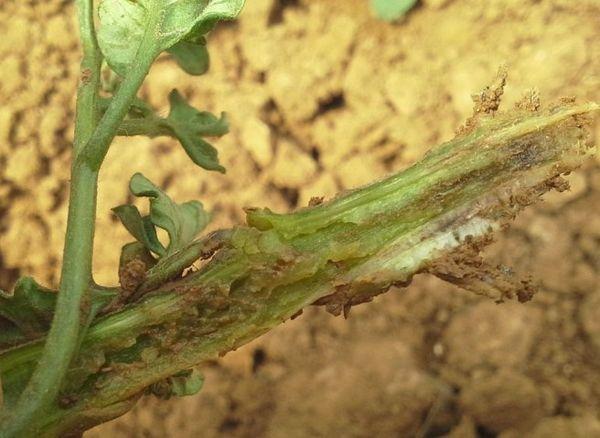
Microspherella rot
In this case, the vine becomes brittle. A yellowish liquid appears at the fracture site. The disease cannot be cured. The affected plant should be removed, and the soil treated with fungicides.
Fusarium wilt
The disease can be identified by gray spots. Affected crops should be destroyed, and the soil treated with fungicides.
Nematodes
Knots on the root system and stems can help identify the problem. Getting rid of parasites is difficult.
Aphid
A black, sticky coating on the leaves helps identify insects. Insecticides such as Actellic and Karbofos are used in this situation.
Spider mite
Parasite infestations can be detected by the fine webbing that entangles the melon leaves. At the initial stage, it's best to remove infected leaves and spray the plant with acaricides.
Harvesting and storage
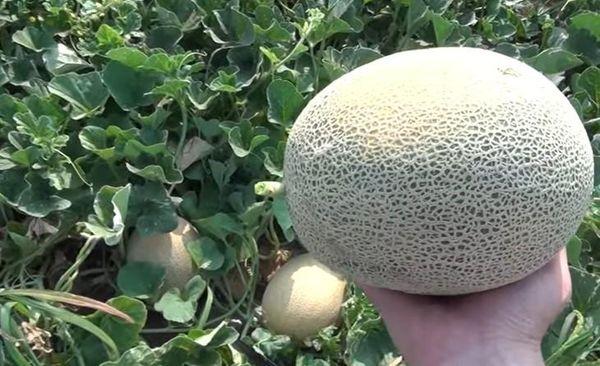
When choosing a variety, it's important to know the end of the growing season. Cantaloupe ripens by the end of August. However, the timing may vary slightly. The condition of the stem can help you assess the melon's ripeness. It should separate easily.
Common mistakes
Inexperienced gardeners make serious mistakes that lead to reduced yields:
- violation of the irrigation regime;
- untimely application of fertilizers;
- improper treatment for diseases;
- Violation of pest control techniques.
Tips and recommendations for growing
To achieve success in growing the crop, it is worth following these recommendations:
- water the plant in a timely manner;
- apply fertilizers on time;
- Properly treat for pests.
Cantaloupe melon is a popular crop distinguished by its excellent taste and high yield. To achieve successful cultivation, it's important to follow proper agricultural guidelines.
Related posts:
 The best grape varieties for growing in the Urals, planting and care rules in summer
 Methods for planting and propagating cherries at home
 Description and cultivation of the 15 best cherry plum varieties for the Moscow region, planting and care rules
 Descriptions of the 20 best cherry varieties for the Moscow region, their planting and care
 Description and rules for growing Solaris grapes
 Conditions for growing mandarin at home and rules for caring for the tree
 Growing and caring for hazelnuts in open ground, rules for planting hazelnuts
 The best methods for growing grapes from seeds at home