
- Methods of growing melons
- What melon doesn't like
- The importance of pinching for yield
- Pinching seedlings
- Pinching when growing melons vertically in a greenhouse
- Pinching when growing melons horizontally in a spreading manner
- Pinching of early and late varieties
- Further formation of bushes
- Serious mistakes gardeners make when pinching melons
Fragrant and sweet, melon is always associated with summer. To ensure a bountiful harvest, it's important to understand the proper cultivation techniques. What is melon training? Is pinching necessary, and what role does it play?
Methods of growing melons
Formation of melon in greenhouse conditions and open ground is possible using two methods:
- vertical;
- horizontal.
In the first case, a trellis will be needed, while in the second, the plants will need to be spread on the ground. Using a horizontal cultivation method eliminates contact with the soil. In this case, the fruits will not reach technical maturity.
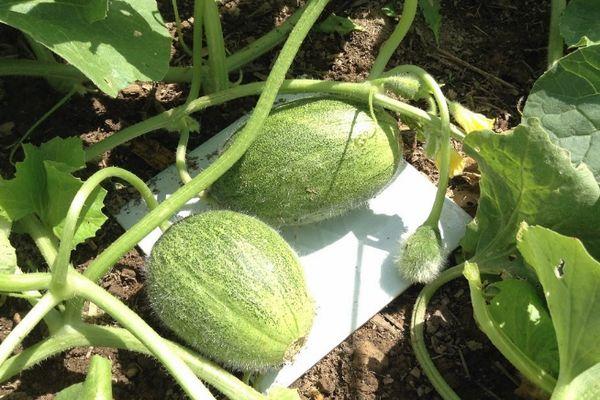
Due to the disruption of air circulation, the soil does not dry out, maintaining a constant moisture level under the melon itself. As a result, the vines become rotted, making harvesting impossible.
Growing melons this way in greenhouses presents additional challenges. Air circulation is also an issue. Even though the room is constantly ventilated, it doesn't affect humidity. If you choose this method of growing melons, you'll always run the risk of encountering certain difficulties. Furthermore, the fruits are susceptible to pests and diseases, and fertilizing them in this condition is difficult.
What melon doesn't like
Each variety requires virtually identical growing conditions. If you adhere to these, you won't encounter any problems during the growing season and will harvest the ripened crop on time. The fruit doesn't tolerate:
- Constantly humid indoor air. This only applies to crops grown in greenhouses. Ventilation is usually the solution in such cases. It's important to never leave the greenhouse unattended and constantly monitor the temperature. Melons do not tolerate cold well.
- Drafts. Poor greenhouse design and cold air can be detrimental to plants, affecting their growth and development.
- Cold water. As with air, we're talking about temperature changes.
- Acidic, slightly acidic or dense soil is recommended grow melon on neutral soils with a lot of nutrients.
- Adding fresh manure and a high concentration of fertilizer is a good idea. Fertilizing is beneficial when there's no risk of burning the root system.
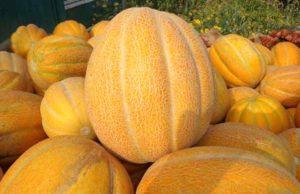
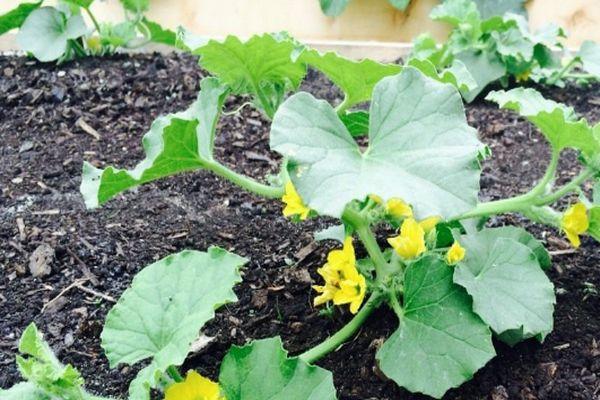
When you think about it, there's nothing complicated about growing melons. All you need to do is follow proper agricultural practices. These include timely care, soil moisture, breaking up the soil crust, and shaping the branches. Weed control is also a must. diseases and pests of melon.
The importance of pinching for yield
The development of melons from the Cucurbitaceae family in open ground plays a major role. This determines the yield and flavor of ripe melons. Removing excess growing points can improve the fruit's flavor and accelerate development. After pinching, lateral ovaries form. Nutrients are released into the pulp, which positively impacts the ripening time of the harvest.
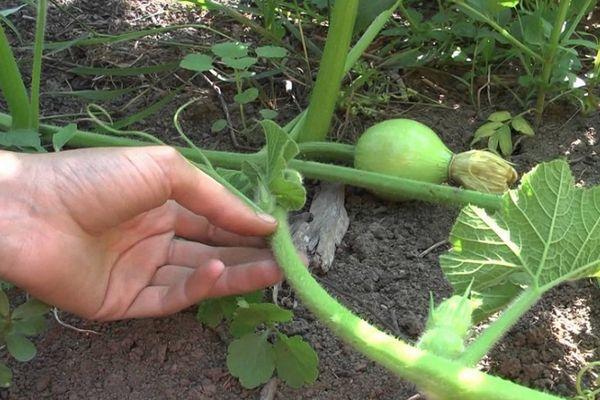
Gardeners should remember: only the vines remain—that's the key—all other shoots are removed. Those who didn't pinch the branches claimed the plant failed to develop and remained fruitless. Occasionally, a few lateral shoots will form, but not all of them will bear fruit.
Pinching seedlings
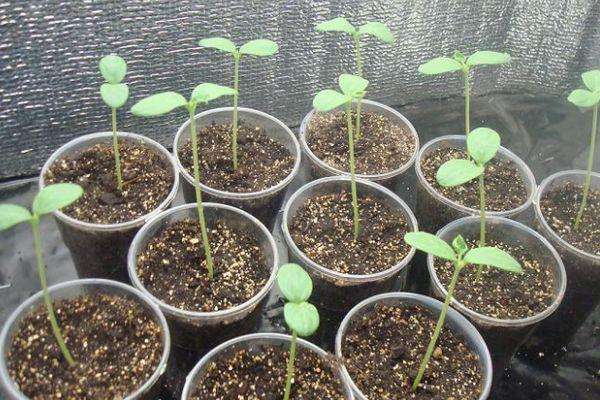
Pruning is done when melons are young shoots. Typically, at this stage, the plant has no more than 5 leaves. The grown shoots are called seedlings. This is the best time to pinch out melons.
Pinching when growing melons vertically in a greenhouse
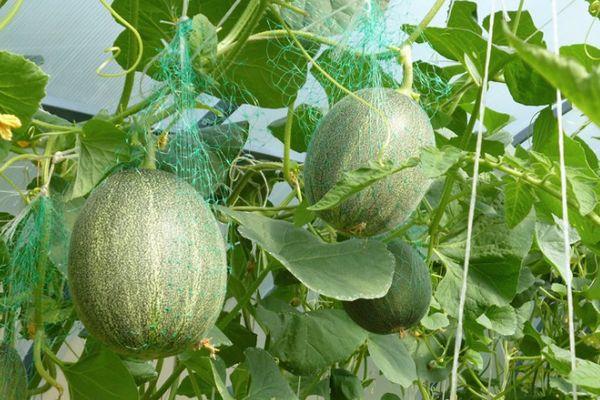
Forming a single stem is convenient for growing melons in a greenhouse. All secondary shoots are removed. This procedure is repeated when the central stem reaches 2 meters in length (height). Secondary shoots are pruned above the 3rd or 4th leaf, taking into account the presence of an ovary. If the branches are not covered with an ovary, they are pruned.
 If vertical melon growing is chosen, each fruit is suspended. They must be secured to prevent them from breaking due to their heavy weight.
Pinching melons correctly is important, but pollination should also be addressed during the growing stage. If the stems are not setting fruit, it may be due to a lack of pollination. When they're growing indoors, few bees, if any, enter the greenhouse. Humidity levels in the room are also high.

Pinching when growing melons horizontally in a spreading manner
Open soil is preferred for cultivating a bush using this method. Due to the large soil area required, it is not suitable for a greenhouse. High humidity can promote disease. This is inevitable, as the vines completely cover the soil.
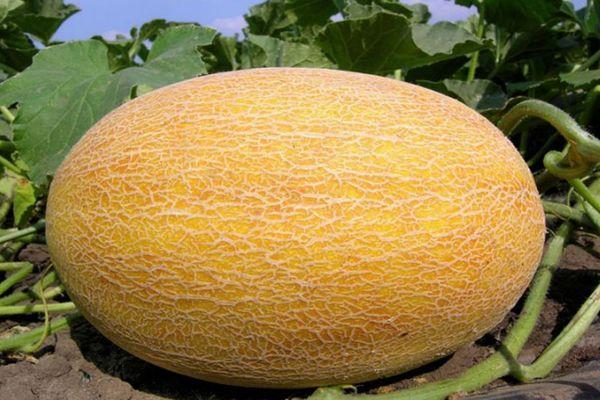
After the first pinching, three stems form. For spreading cultivation, select the two most developed shoots. The procedure is repeated after the third pair of leaves. The final pinching is performed when the ovaries begin to form:
- Thin shoots are cut off, as they are unable to bear fruit.
- They are pinching melons.
- For a plant, a cut is a wound. The pinched area is treated with charcoal and sulfur.
When choosing horizontal melon planting, consider the size of the plot. There should be some space between the melon beds.
Pinching of early and late varieties
The pinching pattern for early and late-ripening melon varieties differs in some respects. Before pruning, it's important to clarify all the details to avoid damaging the plant. Early varieties typically require pinching of the central shoot. After this, it's important to monitor fruit set. Early melons ripen quickly, so they require much less energy for nutrition.
Late-ripening varieties are pruned more frequently. The ripening time of the harvest depends on the number of melons left on the bush. Experienced gardeners try to leave as few fruits as possible. Ripe melons are sweet and have an incredible aroma.
Further formation of bushes
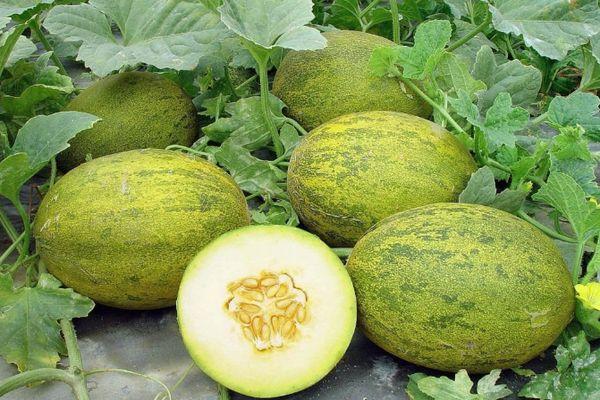
After pinching, melons are regularly trained to form vines. During plant development, monitor shoot growth, flower emergence, and fruit formation. Periodically, adjust the number of ovaries until full ripening occurs. An acceptable number of melons per vine is four.
When growing melons, it's important to leave as few fruits as possible after pinching. This will positively impact growth, ensuring they grow large and sweet. Pinching out side shoots is essential, as the growth of additional shoots and ovaries depletes the plant of nutrients and energy.

Serious mistakes gardeners make when pinching melons
If a person doesn't fully understand the diagram, they try to rush through the process. This can lead to the following mistakes:
- Pinching melons like the watermelon method. This is the most common mistake. Different crops have different fruit set rates. In the case of melons, the side shoots are pruned, which is not recommended.
- Pruning secondary shoots. Fruits produced from the ovary don't reach the desired size. The plant concentrates all its energy on the central shoot. Therefore, the fruits will be small and lack the characteristic melon flavor.
- The seedlings are planted close together. This affects the crop's development. The plant needs additional space. Without it, the fruits suffer from insufficient light. Lack of ventilation and partial shade lead to disease.
Pinching melons isn't difficult, but it does require attention. If you understand the process, you'll see results quickly. The crop will thrive while growing. And when ripe, it will delight you with fragrant fruit.
Related posts:
 How to grow melons outdoors, planting dates, watering, and care
 Growing Kolkhoznitsa melon in open ground: benefits and how to choose
 Golden recipes for preparing pickled melon for the winter and storing the prepared products
 Rules for growing and caring for melons in Siberia in open ground
 Why are my melon leaves turning yellow in open ground? How to treat and what to do.
 How to treat melons against pests and diseases, and can infected fruits be eaten?
 Why melons aren't setting fruit and what to do about it. Methods for hand pollination.
 Description and cultivation technology of the Ethiopian melon variety
I highly recommend using the bioactivator "BioGrow"It will not only help strengthen the seedlings but also speed up their growth. If done correctly, there won't be any problems growing melons.