
- General characteristics of the Ethiopka variety
- History of selection
- Growing regions
- Pros and cons
- Appearance of the bush
- Characteristics of the fetus
- Chemical composition and health benefits of melon
- How to plant a crop on a plot
- Time
- Selecting a site taking into account crop rotation
- Seed preparation
- Sowing pattern and depth
- We organize proper plant care
- Temporary shelter
- Watering
- Top dressing
- Formation of bushes
- Loosening and mulching the soil
- Diseases of the variety: prevention and treatment
- Powdery mildew
- Anthracose or copperhead
- Harvesting and storage
- Reviews of the variety
The large and sweet Ethiopian melon variety was developed by Russian breeders. The plant is perfectly adapted to our climate. Its name derives from its resemblance to the fruit of hot Africa. Ethiopian melons are grown in open ground wherever agriculture is developed. In temperate climates, it is recommended to cultivate melons using seedlings.
General characteristics of the Ethiopka variety
The Ethiopian melon, in addition to its unusual appearance, is distinguished by its excellent taste, light aroma, and ease of care.
History of selection
The exotic name of this variety might lead one to believe that the Ethiopian melon originates from warmer climates. However, this is not the case. Melons were originally grown in Afghanistan, India, Iran, and other warmer climates. However, this particular variety was developed by Russian breeders for cultivation in temperate climates.
Growing regions
Ethiopian is suitable for cultivation in all regions where agriculture is developed. In the south, seeds are sown directly into open ground, but in the middle zone and colder climates, it is better to grow melons through seedlings. In the Urals and Siberia, plants bear fruit in greenhouse conditions thanks to the possibility of self-pollination.
Pros and cons
The advantages of the Ethiopian melon variety are:
- high yield rates;
- early ripening;
- ability to self-pollinate;
- excellent taste characteristics of the fruits, their sugar content;
- excellent aroma of melons;
- tender juicy pulp;
- the fruits do not get sunburned and are suitable for growing outdoors;
- good drought resistance;
- plants tolerate high humidity conditions well;
- excellent commercial qualities;
- the crop is suitable for long-distance transportation;
- undemanding in care.
The Ethiopian is not without certain shortcomings:
- with a lack of sunlight, plants grow and develop poorly;
- If there is a prolonged absence of precipitation or watering, the melon's root system may die.
Appearance of the bush
The description of the Ethiopian variety indicates that the bush has short, yet powerful, shoots, giving it a compact appearance.
Characteristics of the fetus
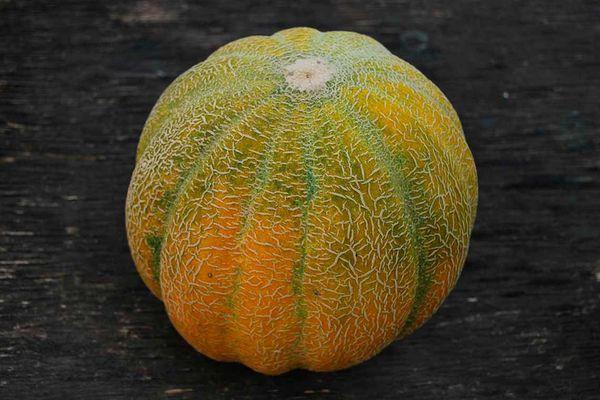
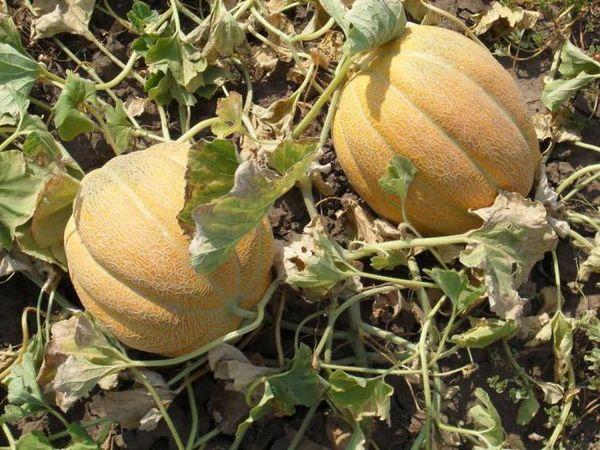
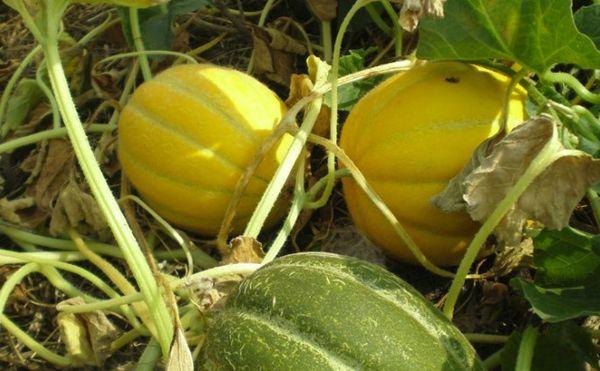
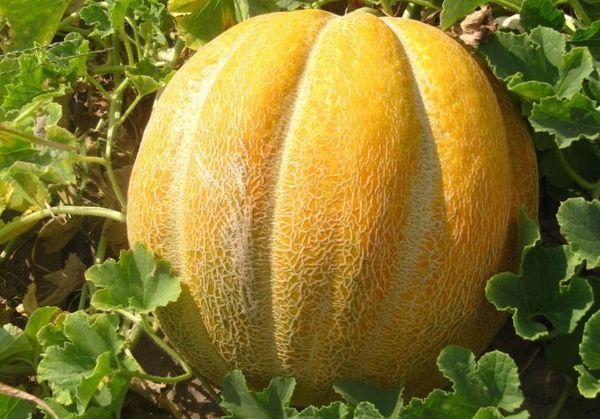
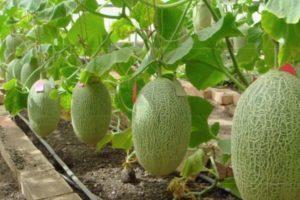
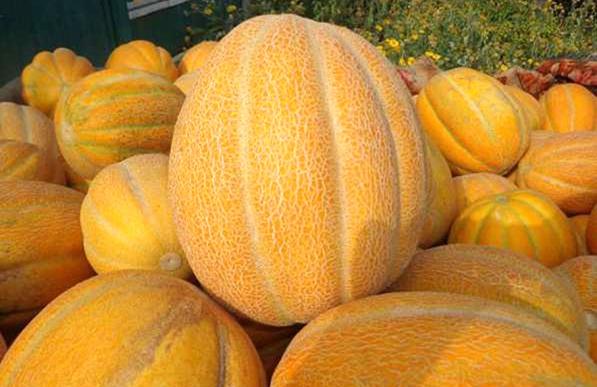
The fruits of this melon variety are round, weighing 3-5 kg. The skin is yellow, thick, and has a mesh pattern. The surface of the fruit appears to be divided into segments by stripes.
The flesh of the Ethiopian is white, juicy, with a pleasant honey flavor.
Chemical composition and health benefits of melon
Thanks to its rich chemical composition, Ethiopian melon brings enormous benefits to the human body. The fruit contains:
- potassium;
- fiber;
- copper;
- organic acids;
- vitamins C, PP and B;
- vitamin C;
- folic acid.

People with diabetes should be careful when eating melon, as it contains sugar, which is quickly absorbed by the body.
How to plant a crop on a plot
The quality and quantity of the harvest depend on proper planting practices, so it's important to familiarize yourself with some of the nuances of growing Ethiopian melons in advance.

Time
Melons in the temperate climate zone are grown using seedlings. Seeds are sown in peat pots or small cups in early April. Plants are transplanted into the open ground when the soil warms to 10-15°C and the threat of night frosts has passed. This is typically around mid-May.
In the southern regions, seeds are sown directly into open ground closer to mid-April.
Selecting a site taking into account crop rotation
Melons should be planted in a well-lit area, protected from wind and cold. Avoid planting in the shade. They thrive in loamy soil with a neutral pH. Melons do not grow in waterlogged or clayey soils. It is not recommended to plant them near cucumbers or potatoes. The following are considered the best neighbors:
- turnip;
- radish;
- corn;
- beans.
Regarding crop rotation, Ethiopian cumin shouldn't be planted in beds previously used for tomatoes or carrots. However, it grows well in areas previously cultivated with:
- corn;
- onion;
- garlic;
- legumes;
- cabbage.
Seed preparation
Before sowing, melon seeds are soaked for 24 hours in a solution of potassium permanganate or boric acid at room temperature. If these substances are not available, succinic acid can be used. This procedure increases germination. The seeds that float to the surface are discarded, as they will not produce shoots.
Sowing pattern and depth
Fill the pots intended for planting melons with a nutritious soil mixture consisting of sand and peat in a ratio of 1:9. Plant 2-3 seeds in each pot at a depth of 20 mm. Place the containers in a warm, well-lit area. The first shoots should emerge within a week. Once the seedlings have grown, leave only one, the strongest, seedling in each pot.
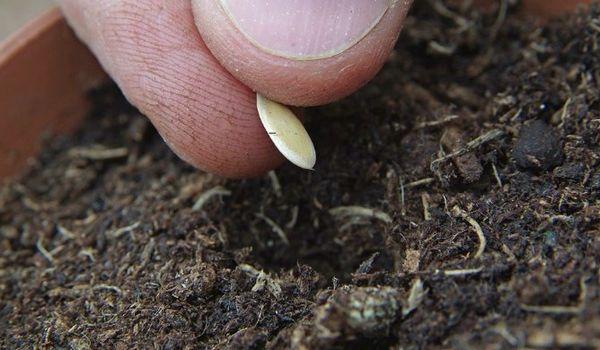
Before planting outdoors, harden off the melons for 1-2 weeks. When planting in a garden bed, space the melons 60 cm apart, and 75 cm between rows. By this time, the threat of night frosts should have completely passed.
We organize proper plant care
To obtain a harvest of sweet and aromatic melons, the plants require proper care, which includes timely watering, fertilization, and loosening the soil.
Temporary shelter
Seedlings require temporary cover for the first couple of weeks after planting to prevent sunburn and allow the leaves to acclimate. There are no specific requirements for the type of cover, but it's important to remember that the thicker the film used, the higher the temperature under the cover. Melons should also be covered in this manner in regions with cold springs.
Take a look Also
Watering
The Ethiopian melon requires regular watering, which should be done in the morning or evening. Use solar-heated water. Avoid getting any moisture on the plant's leaves. Melons do not like excess moisture, as it can cause fruit rot.
Top dressing
The first feeding is done two weeks after planting the seedlings in the garden bed. During this period, mullein or ammonium nitrate is added to the soil under the bushes. When buds begin to form, the process is repeated. During ovary formation, potassium salt and superphosphate are added, strictly following the recommended rates.
Formation of bushes
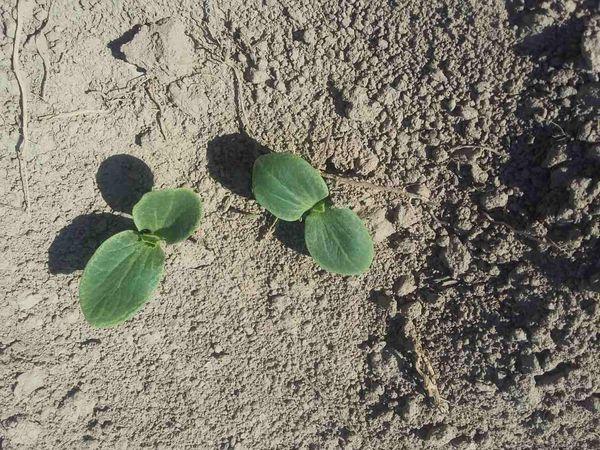
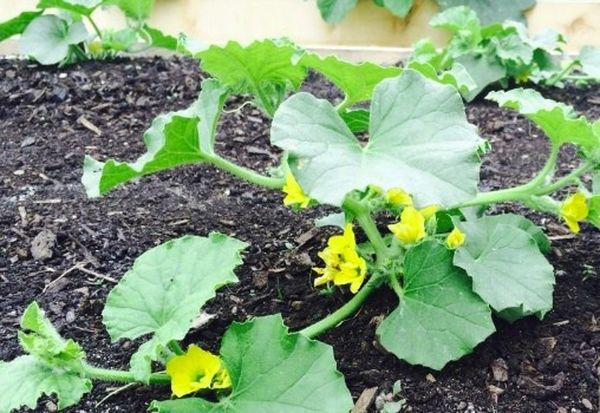
Proper melon training can yield a larger harvest. Immediately after planting in open ground, pinch off the main stem to ensure all its energy is directed toward fruit formation. On each shoot, in addition to the main shoot, leave two offshoots, and carefully remove the rest. During fruit formation, leave no more than five ovaries.
Loosening and mulching the soil
After each watering or heavy rainfall, the soil in the bed where the Ethiopian is growing must be loosened. To prevent excessive moisture evaporation and weed growth, it's a good idea to mulch the spaces between rows and the soil between the bushes. Hay, sawdust, straw, and pine needles are good options for this.
Diseases of the variety: prevention and treatment
The Ethiopian vine has a high immunity to common diseases, but resistance decreases if cultivation practices are not followed. To keep the plants healthy, regular inspections are necessary and preventative measures should be taken immediately at the first sign of disease.
Powdery mildew
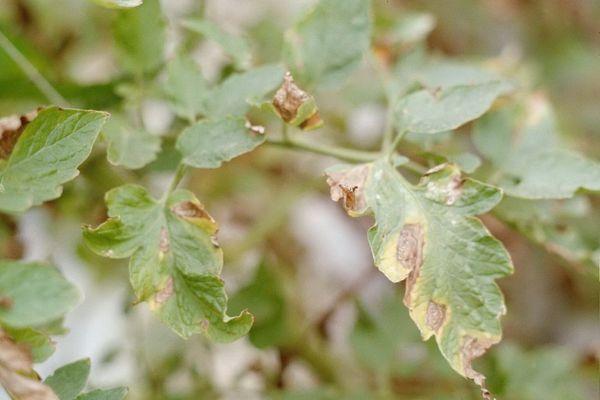
Small white spots appearing on stems and foliage indicate a dangerous disease called powdery mildew. If left untreated, the leaves curl and dry out. Powdery mildew can be caused by improper crop rotation, excess moisture, or temperature inconsistencies. To treat the disease, melons are treated with a sulfur solution immediately after the first signs of the disease are detected.
Three weeks before the expected harvest, it is no longer possible to use chemicals on the beds.
Anthracose or copperhead
Anthracnose is indicated by yellow or brown spots on the leaves. Over time, the foliage becomes brittle, begins to dry out, and falls off. This disease also causes the fruit to deform and rot. When the first signs of the disease are detected, all organic debris around the melon bushes is removed, and the Ethiopian melon itself is treated with a sulfur solution or Bordeaux mixture. These measures are effective only in the early stages of the disease.
Harvesting and storage
The Ethiopian melon harvest period begins in August. Ripe fruits are best picked in dry weather. This variety is characterized by uniform ripening. Watering is stopped completely a week before harvesting to allow the melons to accumulate sweetness and extend their shelf life. Fruits ripened in conditions of excessive moisture cannot be stored for more than 14 days.
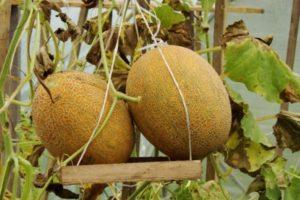
If the harvested melon is to be stored, the stem is left at a length of about 3 cm, rather than being cut off at the fruit itself, to prevent rotting. Properly harvested melons have a shelf life of no more than 1 month. Ethiopian melons are used not only for fresh consumption but also for making jam, jellies, and other culinary delights.
Reviews of the variety
Gardeners and vegetable growers have already experienced all the advantages and disadvantages of the Ethiopian melon variety firsthand and are happy to share their impressions.
Dmitry Vladimirovich, a novice summer resident:
"This year, we planted the Ethiopian for the first time; previously, we'd tried growing Titovka and Torpedo. The variety caught our attention with its unusual appearance, more reminiscent of a pumpkin. Admittedly, given the temperate climate, we didn't have to put in a huge amount of effort to get a harvest. The fruits grew to about 3 kg in weight and were fragrant. However, I personally had mixed feelings about the taste. I'm more accustomed to the classic flavor, and the Ethiopian has a rather unusual taste. My wife and daughter, however, were delighted."
Marina Sergeevna, experienced gardener:
"I plant melons in my garden every year, changing varieties periodically. This year I experimented with 'Ethiopka.' The description promised large fruits, but in my garden they only grew to 1.5 kg. However, the flavor was pleasantly honeyed, and the flesh was sweet and aromatic. In a sunny spot, the harvest took 85 days to ripen. Next year I'll plant this variety again and experiment with cultivation techniques; maybe I'll get larger fruits."
Evgeny Alexandrovich, farmer:
"I grow melons commercially. I cultivate Ethiopian melons exclusively using seedlings. The plants are easy to grow, and the harvest ripens quickly and uniformly. The fruits are tasty, firm, and pleasantly aromatic, and they transport well. The flesh isn't very juicy, but it's suitable for all types of processing. So far, I'm completely satisfied with this variety, and I'll definitely plant it in my garden."
Related posts:
 How to grow melons outdoors, planting dates, watering, and care
 Names and photos of 37 best melon varieties, descriptions and characteristics of all types
 How to treat melons against pests and diseases, and can infected fruits be eaten?
 Golden recipes for preparing pickled melon for the winter and storing the prepared products
 Growing Kolkhoznitsa melon in open ground: benefits and how to choose
 Why melons aren't setting fruit and what to do about it. Methods for hand pollination.
 Rules for growing and caring for melons in Siberia in open ground
 Description and technology of growing Vietnamese melon, varieties
The Ethiopian melon is delicious and productive, but there's one catch. It shouldn't be overripe; a completely yellow melon is already overripe and the flavor is so-so. The Ethiopian melon should be picked when it's just beginning to turn yellow on the side and smells like melon. This melon is super tasty; the flesh isn't dry or potato-like, and the flavor is excellent. Believe me, I've eaten my fill of Ethiopian melons.