
- Melon pests
- Melon fly
- Melon aphids on melons
- Spider mite
- Wireworms
- Broomrape
- Cutworms
- Melon diseases
- Fusarium wilt (Fusarium)
- Gray mold
- Powdery mildew
- Downy mildew (peronosporosis)
- Cucumber mosaic
- Root rot
- White spot (septoria)
- Angular spot (bacteriosis)
- Ascochytosis
- Anthracnose (scarden)
- Processing tools
- Processing technology
Gardeners are always disappointed when, after much effort, they notice that the melon leaves, which were recently so lush, are wilting and curling. Melon diseases are common. Plants become infected with pathogens through seeds, soil, and stem and root debris.
Control isn't always successful, and the plant dies. Melon pests are no less dangerous. The parasites suck the sap from the leaves, causing them to dry out. Fruits fail to set or become misshapen, losing their attractive appearance and flavor. The plant becomes vulnerable to various diseases.
Melon pests
Various insects adore melons. They settle on the undersides of leaves in entire colonies, rapidly draining them of water and sap. Microscopic aphids can destroy entire beds in a matter of days.
To prevent the appearance of dangerous pests, melons are sprayed with Karbofos, biological products such as Actellic, and solutions of tobacco dust and laundry soap. All roots should be pulled out of the area where the melons were grown, and any remaining stems should be removed.
Melon fly
A particularly dangerous insect for both fruits and seeds is the melon fly, whose infestations have been observed in India, North Africa, and Iran. Recently, the parasite has established itself in the Transcaucasus and is found in the southern and even northern regions of Russia. The melon fly can destroy half the crop, as not one, but three generations of the insects emerge per season.
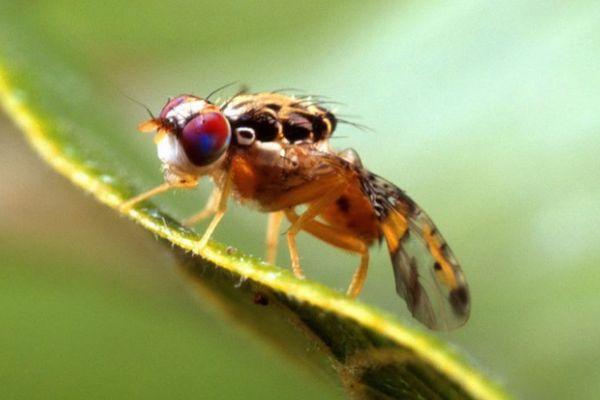
The offspring develop well and grow rapidly in high temperatures. The parasite larvae, resembling worms in appearance, are legless, live for at least a week, and feed on fruit juices and gnaw on seeds. They then leave their nest and, burrowing 12 cm into the soil, transform into pupae.
To understand the best way to combat the melon fly, it's important to know what this parasite looks like when the next generation emerges. Females lay up to 120 eggs, which they do by chewing holes in the fruit.
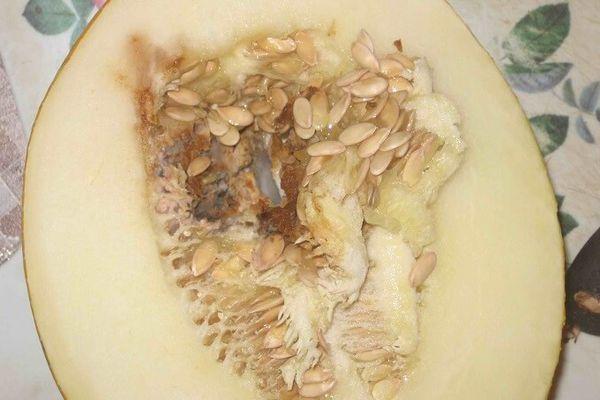
The insect is distinguished by its wings covered with yellow transverse stripes. Its body length reaches a centimeter or even slightly more. The fly feeds not only on juice but also on the sweet flesh. Viruses and fungi are introduced into the infected melon, causing disease.
The parasite, which has four-striped wings, destroys both cucumbers and watermelons. It's not the adult itself that poses a danger to humans, but the infected fruit, which begins to rot. Consuming it can cause diarrhea, and prolonged diarrhea can lead to dehydration.
To prevent damage to plants by melon fly:
- Before planting, seeds are dipped in a solution of potassium permanganate.
- When leaves and then shoots appear, the melon plant is treated with herbicides such as Rapier.
- When the first flowers appear, melons are sprayed with insecticides.
Kemifos helps repel pests from melon beds. Dissolve the contents of one ampoule in half a bucket of water. This solution is enough to cover an area of 5 square meters. Karbofos helps control melon flies that appear at the beginning of flowering. Mix 3 tablespoons of the product in 10 liters of water. After the second treatment, the pests leave the beds. The insects die with repeated sprayings of Fufanon.
The crop should not be planted in the same place for several years; it is necessary to adhere to agricultural practices and observe crop rotation.
Melon fly larvae die en masse when plants are sprayed with Confidor. Fruits covered with spots should be picked and burned. Under no circumstances should they be eaten.
Melon aphids on melons
A microscopic insect, ranging in color from brown to black to green, it settles on the underside of melon leaves and spreads across the entire surface. Aphids can destroy melon beds in just a few days. Two dozen generations can emerge in a single season. To prevent the spread of these pests throughout the melon field, it's important to weed the area regularly.
Not only adult insects, but also melon larvae suck the juice from the above-ground parts of the plant; the melon becomes deprived of moisture, the stems dry out, and it dies.
In humid and hot weather, pests appear as early as June. If the fruit has already appeared, the pest sucks moisture from them. Melon larvae and adults are also dangerous because they spread viruses and bacteria that cause devastating diseases. Not all gardeners know how to treat melon crops.
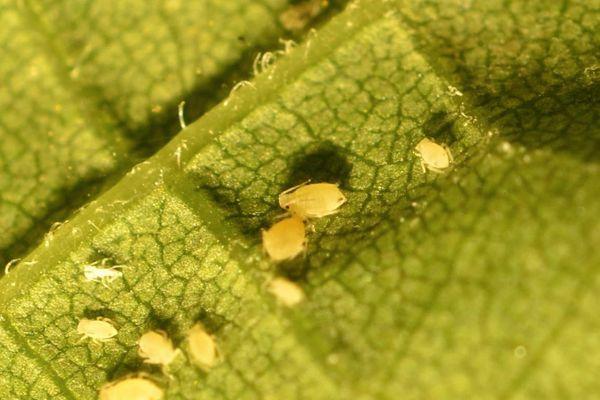
Folk remedies such as spraying with infusions made from garlic, horseradish, tansy, onion peel, and mustard infusions help control the pest when the insects have just settled on the leaves and there are only a few of them in the melon beds. Otherwise, the plants will need to be treated with insecticides such as Decis or Intavir, or sprayed with the biological product Fitoverm. One ampoule of the product is added to 5 liters of water. The melon beds are covered with plastic wrap for 24 hours.
Many gardeners wonder if melons can be eaten after treatment. If herbal infusions and other folk remedies are used, eating them is not prohibited. However, if the crop was sprayed with insecticides, you'll have to wait a month.
Spider mite
Female spider mites, which are no more than half a millimeter long, overwinter burrowed into the soil, on harvested plant tops and weeds. In summer, spider mites settle in:
- on the buds;
- ovaries;
- on young shoots;
- under the leaves.
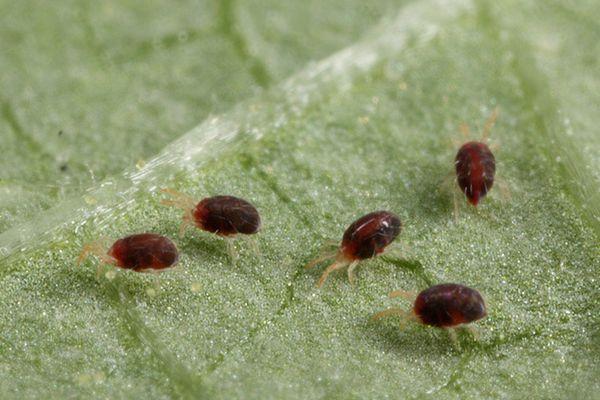
The parasites multiply rapidly, leave the affected plant, and migrate to healthy melons. The presence of the insect is indicated by the appearance of white dots and webbing. Over time, the leaves turn yellow, become covered with red spots, and dry out. Mites infect melons with viral and bacterial diseases.
To prevent pests from reaching the melon beds, before planting the seeds, the soil must be treated with lime, and the first leaves must be treated with Fitoverm and Bi-58.
Wireworms
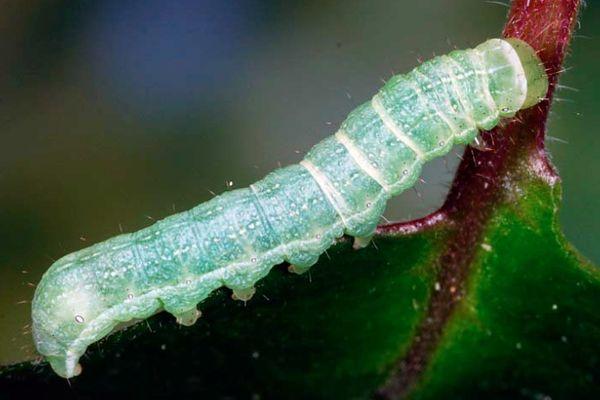
Melon plants often harbor larvae, which have hard bodies and three pairs of legs. When turned over, they make a clicking sound. Wireworms gnaw through the lower stems and roots of melons, quickly killing the crop. These parasites thrive on moisture and, when the topsoil dries out, they burrow deeper. They overwinter there, and when they emerge in the spring, they begin to consume the seeds.
To prevent wireworms from appearing in your melon beds, you must:
- Remove weeds.
- Pull out wheatgrass by the roots.
- It's good to dig the ground.
Pests thrive in acidic soil, so lime the area before planting melons. Wireworms react negatively to nitrogen-containing fertilizers. If insects appear, spray the melon beds with Aktara.
Broomrape
A gray plant with bluish flowers and stems covered in yellow scales is extremely dangerous to melons. The parasite destroys entire crops in Central Asian countries and the southern Volga region. Egyptian broomrape feeds on the sap of melons by clinging to their roots with its suckers.
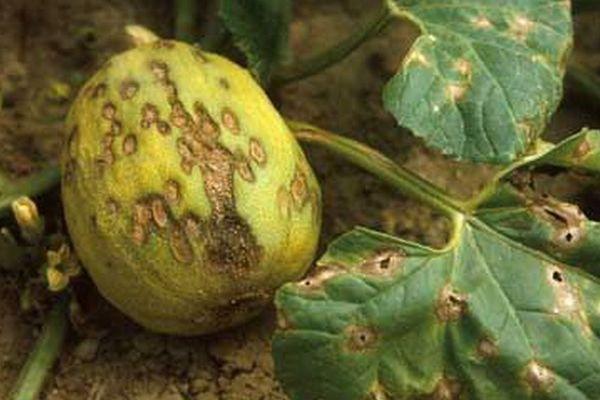
To combat the pest, it is recommended to combine melons with rice crops, carefully weed the beds, and spray the melons with dichlorophenoxyacetic acid; the parasite dies even at a low concentration of the substance.
Take a look Also

Cutworms
If you don't till the soil in the fall, remove grass and shrub debris, or maintain crop rotation, pests will appear that quickly destroy melon stems. The caterpillars of moths called cutworms damage the root collars of melons. Females lay hundreds of eggs.
First-generation individuals feed on weeds, watermelons, and melons. Adult caterpillars burrow into the soil, where they pupate. Second-generation moths emerge in June and live until September. Having accumulated nutrients, they overwinter normally, but only if the ground is well covered with snow.
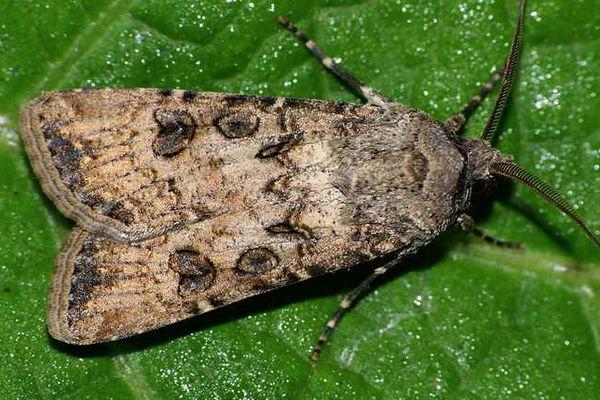
To get rid of cutworms, before the buds appear, the beds are sprayed with hexachlorane dust, and bait is installed to help catch the butterflies.
Melon diseases
Insects that chew through the leaves and fruits of melons spread pathogenic microorganisms—viruses and bacteria—that cause various melon diseases. Infection also occurs through untreated seeds, stem and root debris.
In unfavorable weather and excessive moisture, fungi proliferate, which often leads not only to a decrease in yield, but also to the death of the plant.
Fusarium wilt (Fusarium)
A disease that begins with root rot, it affects the entire vascular system of late- and mid-season melons. The fungal infection rises from the soil to the stems. When infected with fusarium, the plant's basic functions are disrupted, and it dies as the mycelium clogs the vessels and produces toxins.
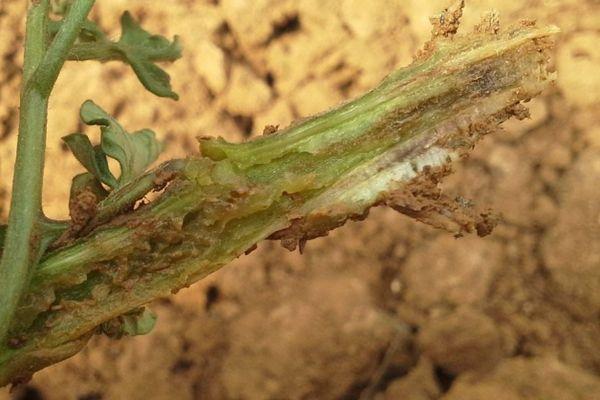
Contribute to the development of the disease:
- improper care;
- dense planting;
- stagnation of water;
- excess moisture;
- extreme heat.
Melon leaves infected with Fusarium wilt lose their green color and become covered with unpleasant grayish spots. The affected plant dies within a week.
To prevent fusarium wilt, seeds should be treated with formalin before planting, and sprayed with potassium chloride before melon buds form. Agronomists recommend choosing a site for the plant at a higher elevation rather than in a lowland.
Gray mold
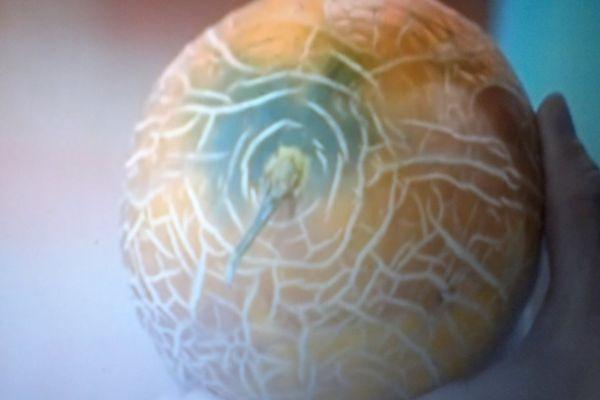
Cold weather combined with prolonged rains increases fungal activity. Young melons become moldy, blackened, and softened. The disease develops rapidly at low temperatures and subsides in hot weather.
Powdery mildew
Melon stems and leaves are often covered with small spots that quickly spread throughout the above-ground portion of the plant. Powdery mildew is indicated by a brownish tint to the plant. As the disease progresses, the leaflets curl and the stems dry out.
Upon noticing the first signs, melon crops are sprayed with a sulfur powder solution. This treatment is repeated several times, the last time three weeks before the fruit ripens.
Downy mildew (peronosporosis)
Yellow spots sometimes suddenly appear on melon leaves, and the undersides become covered with a purple bloom. With sudden temperature fluctuations and high humidity, downy mildew develops rapidly. The fungi that cause the disease penetrate the spores of the leaves, causing the plant to die.
To prevent powdery mildew, seeds are warmed in hot water or soaked in a potassium permanganate solution. Melon beds where downy mildew-infected plants are found are sprayed with urea or Bordeaux mixture.
Cucumber mosaic
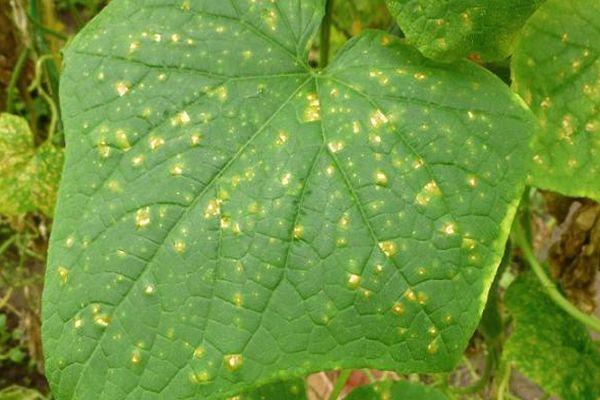
Insect-borne viruses cause serious diseases in melons. If the leaves of young plants curl and become deformed, or if bumps appear between the veins, this indicates a cucumber mosaic virus infection. As the disease progresses, the stems become covered with cracks, flowers fall off, and the surface of the melon becomes disfigured.
Root rot
Weak plants are very susceptible to both viruses and bacteria and often die in unfavorable weather. Melons are often affected by root rot. This disease causes stems to thin, the lower parts turn brown, leaves to turn yellow and wilt, and the flesh to deteriorate. Dark spots inside the melon quickly enlarge. The disease is seed-borne, so before planting, soak the seeds in a formalin solution for 5 minutes.
Take a look Also
White spot (septoria)
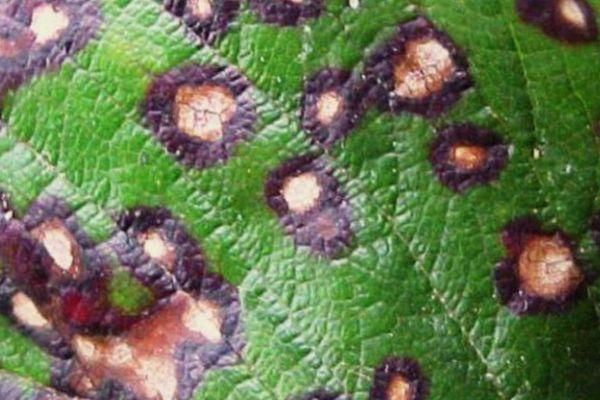
After cold and prolonged rains, light, round spots appear on melon stems and leaves. The fungal infection is seed-borne and carried with plant debris, causing septoria leaf spot. Mycelial spores spread quickly, causing the leaves to darken. To prevent the disease, melon beds are sprayed with Bordeaux mixture.
Angular spot (bacteriosis)
During hot and humid weather, greasy, brown stains appear on melon stems, and cloudy droplets form on the undersides of leaves. Angular spot also affects the fruit, causing it to become glassy, and the rinds of melons become sticky.
Ascochytosis
In cold weather combined with high humidity, melons are susceptible to one of the most severe fungal diseases. Ascochyta blight initially appears as barely noticeable spots on the stems. These quickly enlarge, the root collar dries out, and the ripening melons turn black and die.
Anthracnose (scarden)
If crop rotation isn't followed and frequent and heavy watering occurs, round pink spots will appear on the leaves, followed by holes. Anthracnose, a melon disease, causes the plant's vines to become thin and break when touched. Over time, the leaves curl up and dry out. Copperhead infestation causes brown spots to appear on the melon flesh, which quickly spread, and the fruit rots.
Processing tools
To prevent diseases and protect plants from pests, it is necessary not only to observe crop rotation and avoid planting melons in heavy soil, but also to treat the seeds in solutions of potassium permanganate, formalin, and Fundazol.
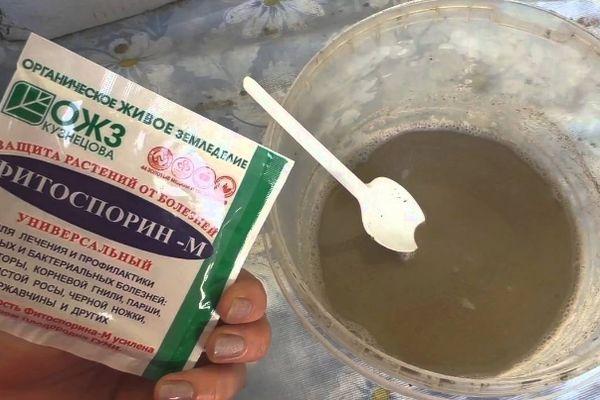
When the first signs of disease are detected, melons are sprayed with herbal infusions and various folk remedies are used. If these treatments prove ineffective, fungicides such as colloidal sulfur, Bordeaux mixture, and Fitosporin are used.
If pests appear on melons, other methods are needed to deal with them. Insecticides kill melon aphids, spider mites, and wireworms. Chemical pesticides such as Bi-58 and Aktara are the most effective. However, after spraying, the fruit should not be consumed for three weeks.
Processing technology
Damaged melons should be removed from the garden bed and burned instead of buried. Various treatment methods are used to kill pests and treat diseases. Watering and spraying are the most common. Whatever the method, care must be taken to avoid contact with the skin of the fruit, as the chemicals accumulate and penetrate the flesh.
When handling insecticides, wear gloves and protect your face and eyes. Choose a cloudy, windless evening to spray melon beds.
Related posts:
 How to grow melons outdoors, planting dates, watering, and care
 Growing Kolkhoznitsa melon in open ground: benefits and how to choose
 Golden recipes for preparing pickled melon for the winter and storing the prepared products
 Rules for growing and caring for melons in Siberia in open ground
 Description and cultivation technology of the Ethiopian melon variety
 Why are my melon leaves turning yellow in open ground? How to treat and what to do.
 Why melons aren't setting fruit and what to do about it. Methods for hand pollination.
 Description and technology of growing Vietnamese melon, varieties
If the fruits are not badly damaged, they can be used to make jam. I recommend using the product "BioGrow" as a fertilizer, then such problems will not arise.