
- Causes of yellowing melon leaves
- Water shortage
- Damage to the root system
- Lack of mineral salts
- Excess sunlight
- Causes of yellowing and falling of ovaries on melons
- Mineral deficiency
- Not pollinated
- No pinching
- Temperature jump
- Diseases typical for melon crops
- Control measures and prevention
- How to tell if a melon is bad
Getting a harvest of melons and gourds requires some effort. Although they're considered easy-to-grow, these heat-loving plants occasionally run into problems. And when that happens, a seasoned gardener's eye is needed to address them promptly. For example, why do melon leaves turn yellow in the open ground? Since no one wants to be left without a harvest of this fragrant and sweet fruit (melon fruit), it's important to thoroughly investigate this issue.
Causes of yellowing melon leaves
At first, slight yellowing of the leaf blade isn't a cause for concern. But when this happens more than once in a melon patch, it's important to quickly determine the cause of this unpleasant phenomenon. Knowing the causes allows for targeted treatment, with the expectation of saving the harvest.
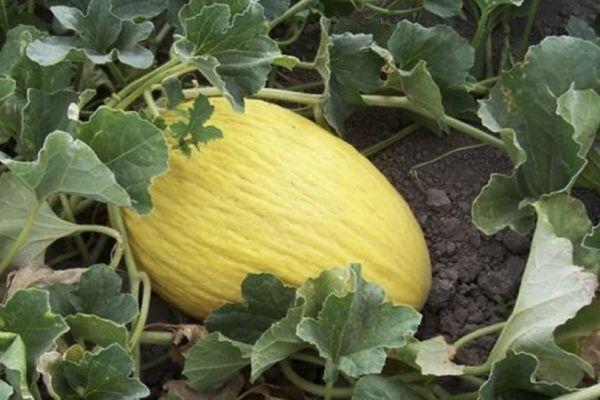
Melon yellowing is most often caused by physiological factors, such as improper care. A lack of fertilizers and stimulants can also cause yellowing of the foliage.
Water shortage
One of the reasons why melons turn yellow, or why melons begin to turn yellow, is a lack of water. Although melons are drought-tolerant, if watering is not regulated during particularly hot summers, the consequences are obvious. Watering once a week is enough to ensure the formation of fragrant melons and the plant's growth.
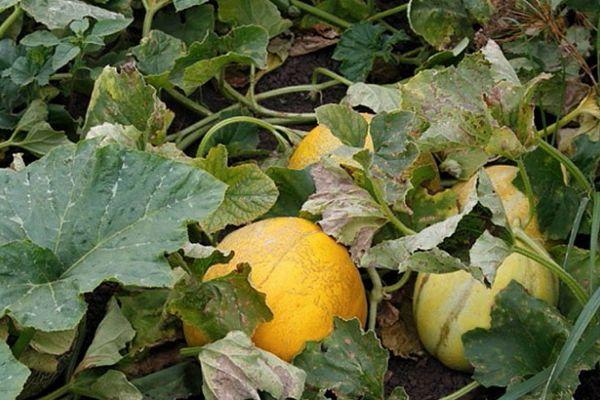
Watering should be moderate, as the deep root system allows it to extract water from the lower soil layers. Watering should be done carefully at the roots, avoiding erosion of the surface roots. Drip irrigation is recommended, as it distributes water evenly and to a considerable depth.
Overwatering can quickly cause root rot, especially if the soil is heavy and water doesn't penetrate deep enough. This can lead to even more serious problems, which can ultimately result in the death of the plant.
Damage to the root system
Melons are dying, and vegetable growers can't figure out the cause. Everything appears normal: there are no pests, they're regularly fertilized and watered, but the growth of the fragrant berries has stalled.
The root system is damaged by frequent plantings, where melons are planted close together. These damages interfere with each other's growth and the formation of large (for the variety) fruits. This can cause the melons to turn yellow.
The root system can be damaged by weed control and deep tillage. Some roots are shallow and easily damaged, so only the surface layer of soil is tilled.

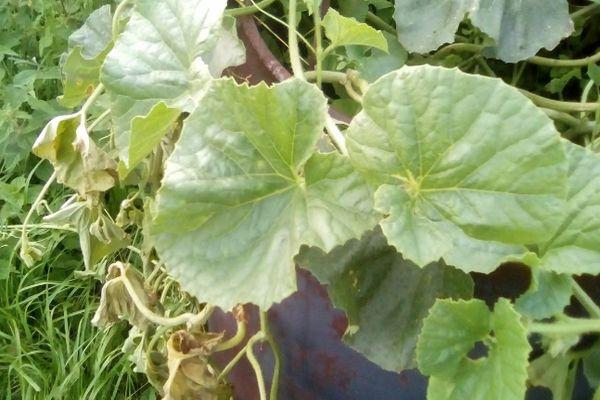
Lack of mineral salts
What should you do if you notice darkening, wilting, or yellowing of the leaves? After inspecting the leaves and ensuring there are no pests, you can suspect a mineral deficiency.
Fertilize with complex fertilizers several times per season. It's also advisable to use a nitrogen-rich fertilizer at the beginning of growth, while phosphorus and potassium are needed during fruit set. Adding organic matter is also helpful.
When the first yellow leaves appear, they need to be torn off, as they interfere with the normal growth and development of the plant.
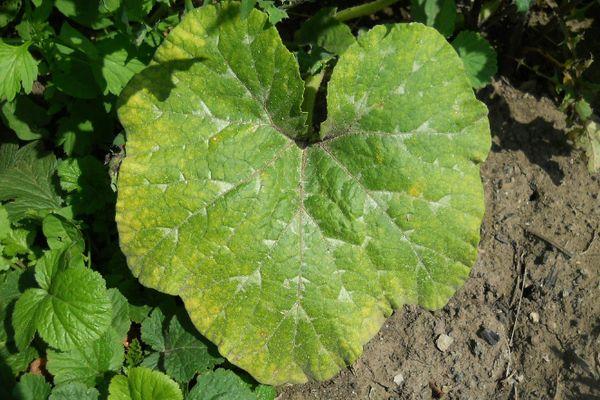
Excess sunlight
When the vines on melons dry out, it's a clear sign of too much sunlight. But the leaves also suffer, as nutrients can't reach other parts of the plant. They don't just turn yellow; they shrivel up.
Sunlight combined with hot weather is one possible indicator of plant damage. While mature plants can tolerate excess sun with timely watering, young, growing melons need to be covered with grass and constantly monitored.
Causes of yellowing and falling of ovaries on melons
The most frustrating thing is when a melon is developing normally, but suddenly the ovaries begin to turn yellow and fall off, affecting the yield. At the same time, the leaves curl, raising the question of what is causing this unpleasant phenomenon.
Mineral deficiency
Massive yellowing and fruit drop resembles a pest infestation in a greenhouse or open field, but a closer look reveals something else entirely. One cause is a mineral deficiency. A lack of essential nutrients in the soil prevents a full harvest.
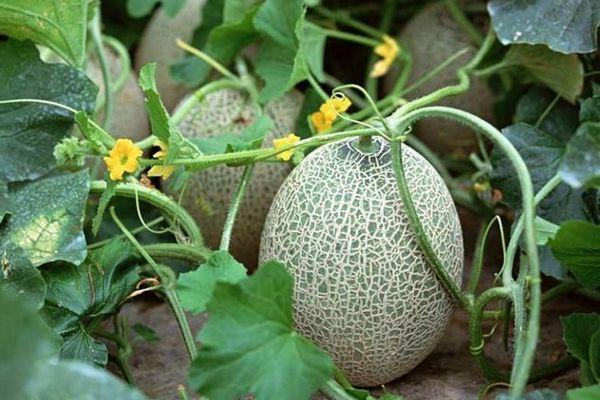
On poor sandy and sandy loam soils, fertilizing is essential for good fruit set. Fertilizing is done in several stages, usually 3-4 times per season. These can include:
- complex mineral fertilizers,
- ash solutions,
- individual power elements.
Not pollinated
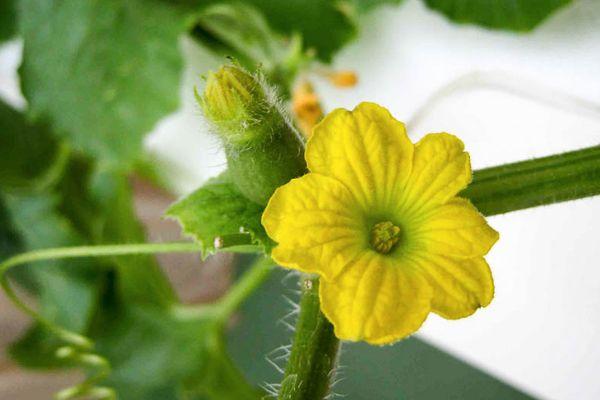
Fruit fails to set when the ovaries fall off, which may be due to a lack of pollination. To attract pollinating insects, the leaves and flowers are sprayed with a sugar solution. If this method fails, pollination is carried out artificially, where pollen is transferred from the anthers to the pistil using a soft brush. The procedure is simple, but necessary.
No pinching
The plant is trained into a single stem, which is pinched back, leaving two side shoots. This results in three shoots. This type of shoot produces good fruit set. A larger number of shoots results in a bountiful harvest of melons, but the fruit will be small and lose its marketable quality.
Temperature jump
In continental climates, where daytime and nighttime temperatures differ significantly (daytime temperatures are higher), yellowing and loss of fruit ovaries are almost inevitable. Pumpkins are very sensitive to climate change when daytime heat alternates with cool nights. They grow less vigorously, and fruit formation is limited. Even a very good hybrid variety cannot produce a good harvest in such conditions.

Diseases typical for melon crops
Despite the large number of modern varieties and the development of hybrids, melons and other gourds are susceptible to numerous diseases. The most common include:
- Powdery mildew. Whitish spots resembling mold are visible on the leaves. They grow, merge, and gradually dry out the leaf.
- Downy mildew. It most often affects young plants, causing greenish spots to form on the leaves, which later develop into a powdery coating.
Distinguishing between these two diseases is quite difficult, as their symptoms are very similar. Downy mildew is characterized by the formation of a coating on the underside of the leaf.
- Fusarium wilt. Appears on young plants or during fruit formation. Leaves and shoots become lighter in color, and gray spots form on their surface. It only takes a week for the plant to die completely.
- Anthracnose, or copperhead, is characterized by the appearance of light-brown spots on the leaves, which spread throughout the entire surface and begin to turn yellow. Thin and brittle shoots are unable to deliver nutrients, and the fruit changes shape and rots.
- Root rot. Affects weak plants, where the roots rot and turn yellow. The stem becomes thin, and the fruit does not ripen fully or rots internally. The yield is lost, and the plant gradually dies.
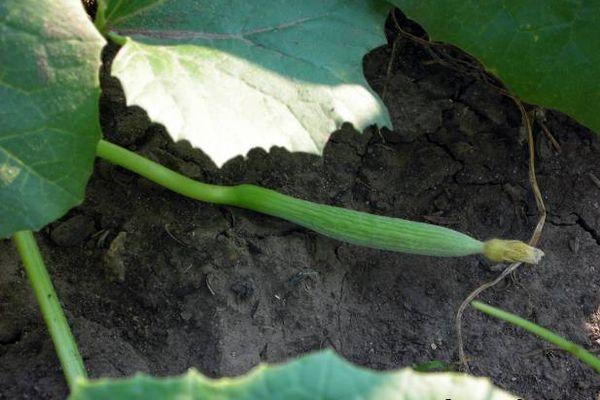
In addition to treating melons for diseases, you need to watch out for constant pest attacks. Pest control is a top priority, as this delicate crop is susceptible to a whole host of "uninvited guests." Melon fly larvae, cutworms, spider mites, and melon aphids readily settle on the plant, while wireworms eat the roots. When leaves begin to turn yellow, inspect them for pests.
The most common pest is melon fly, which lays its larvae in the fruit's pulp. Furthermore, it has been noted to promote the spread of viral and fungal diseases of melon.
Control measures and prevention
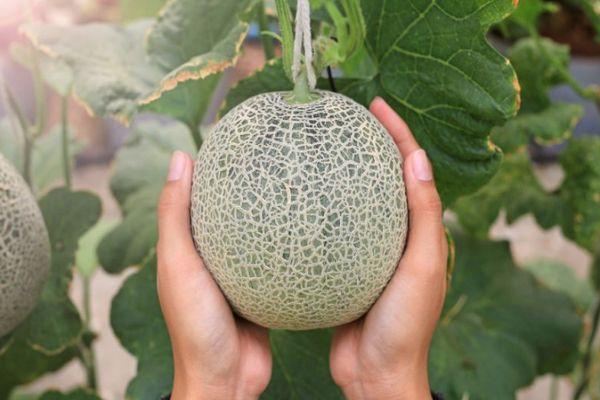
The main condition is to implement the necessary agronomic practices for pumpkin crops. Problems with the melon harvest should not arise if the following preventative measures are followed:
- Preparing seeds before planting requires treatment with a disinfectant (a weak solution of potassium permanganate or a 40% formalin solution will do).
- Soil preparation: digging, weed removal, and adding organic fertilizers and compost to loosen the soil. Coarse sand or peat is added to improve soil permeability.
- The melon patch is placed in a high place or in raised beds to prevent over-watering.
- An important point is to maintain crop rotation, as the soil accumulates fungal spores and pest larvae that affect a particular crop.
- Weed removal and soil loosening are necessary. Egg-sized melons can be covered with soil to prevent melon flies from laying eggs in the fruit.
- Timely 3-4-fold application of complex mineral fertilizers, which strengthen the plant and stimulate its growth.
- The correct watering regime is especially necessary during hot and dry periods.
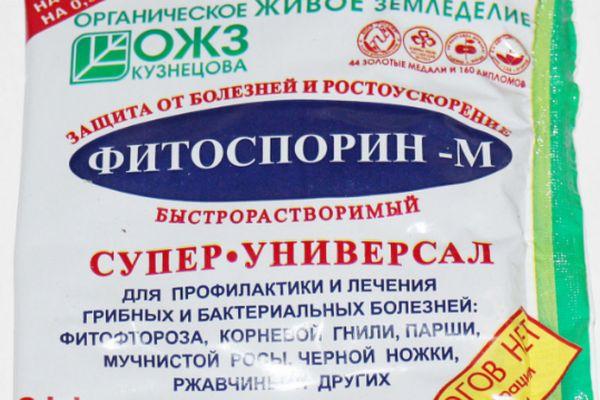
- If necessary, treat with Kabofos (for pests) or Aktellik (for diseases). If the plant is healthy, Fitosporin can be applied repeatedly as a safety precaution.
Biological methods are considered a modern and safe method of control. Phytomyza flies are used on melons. Their larvae grow and gradually consume various parasites that infest the melons.
How to tell if a melon is bad
Before harvesting the fruit, it's important to assess its quality. You can tell if a melon has gone bad by the following signs:
- the skin of the fruit is soft;
- dents, cracks or dark spots are visible on the surface;
- a liana that has dried out prematurely;
- color not typical for this variety.
Mechanical damage to the skin is possible, but this doesn't mean the fruit is unfit for consumption. It's simply less tasty than whole melons. Harvesting is done in stages, 5-6 times as it ripens. A ripe melon has a sweet and fragrant aroma, separates easily from the stem, and gradually turns yellow.
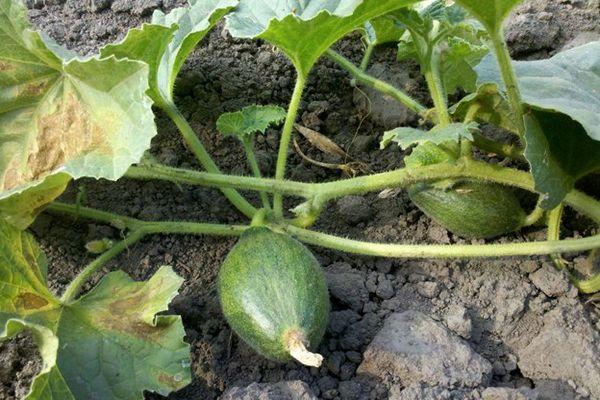
On average, it takes 45-75 days for a melon to reach fruiting. This period is typical for southern regions, where the fruits ripen outdoors. Depending on the variety, early-ripening melons yield fruit in July, mid-season melons are harvested in August, and late-ripening melons are ready for consumption (or storage) in September.
The ripening time of fruits can be accelerated by using the following procedures:
- pre-soaking of seeds;
- use of seedlings;
- cleaning small flowers.
Tasty and healthy, melons offer tender, juicy flesh. Everyone, young and old, loves them. Northerners eagerly await the arrival of their favorite delicacy, while southern vegetable growers do everything possible to ensure their melon patches are in tip-top condition and are anxious for a bountiful harvest.
Related posts:
 How to grow melons outdoors, planting dates, watering, and care
 Growing Kolkhoznitsa melon in open ground: benefits and how to choose
 Golden recipes for preparing pickled melon for the winter and storing the prepared products
 Why melons aren't setting fruit and what to do about it. Methods for hand pollination.
 Rules for growing and caring for melons in Siberia in open ground
 How to treat melons against pests and diseases, and can infected fruits be eaten?
 A diagram of the correct formation of a melon in open ground
 Description and cultivation technology of the Ethiopian melon variety
I have encountered this more than once, so now, as soon as I notice that the leaves are starting to turn yellow, I immediately begin to introduce the bioactivator.BioGrow", it strengthens and promotes the restoration of seedlings.