
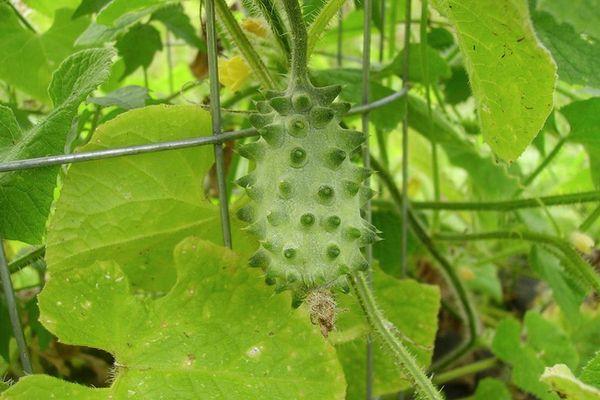
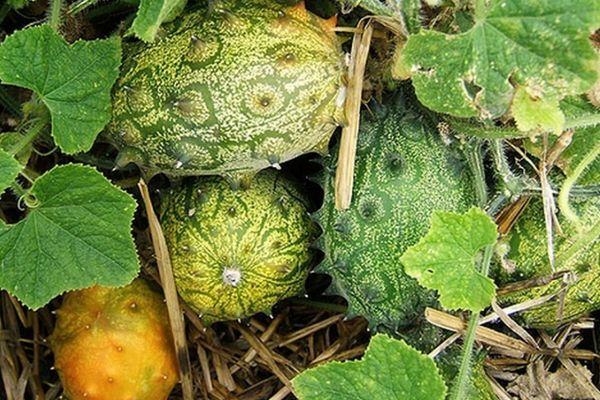
The kiwano fruit (also known as the horned melon), brought to our latitudes from warmer climates, is gaining increasing popularity among those who enjoy gardening experiments. Due to its unusually elongated, spine-covered fruit, this exotic visitor has been dubbed the horned melon and the African cucumber.
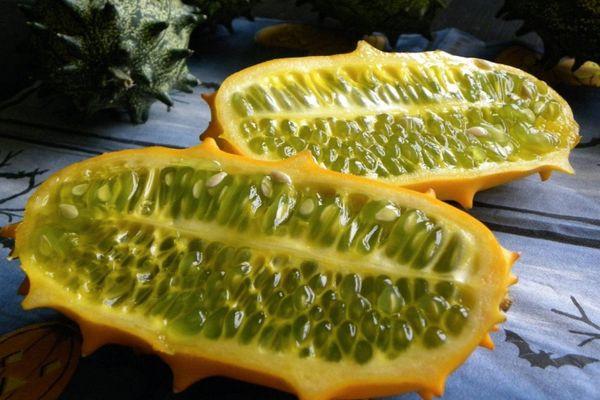
The plant's vines truly resemble cucumbers, and the fruit itself resembles the well-known vegetable when cut. The spiky "bombs" have a green, gelatinous filling, and the peel, when ripe, takes on shades ranging from yellow-orange to golden-green. Those who have tried kiwano melon note its unusual flavor: sweet with a slight tartness. Some say it resembles an unripe banana, while others detect hints of lemon and squash. The impressions are completely different, but they share one thing: kiwano melon can easily become one of your favorite foods.
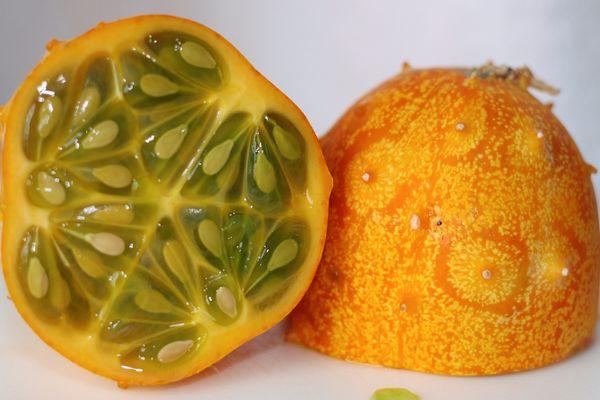
A storehouse of vitamins
Kiwano is more than just a delicious fruit. It contains a huge amount of beneficial vitamins and microelements. Horned melon is a source of magnesium, sodium and calcium, iron and zinc, potassium and phosphorus, vitamins A, B, and C, mineral salts, and organic acids.
The fruit is safe for people with diabetes and those trying to lose weight. Furthermore, kiwano is a real find for those who prefer homemade masks and creams to store-bought skincare products.
Benefits of kiwano:
- an excellent tonic;
- strengthens the immune system;
- fights viruses and bacteria;
- useful for people suffering from cardiovascular diseases;
- normalizes water and acid-base balance;
- removes toxins;
- heals burns and wounds;
- used as masks in cosmetology.
Caution: Limit your first serving to a small portion to avoid an allergic reaction. Avoid this fruit if you have gastritis, colitis, hypotension, or oral inflammation.
How to use
There are countless culinary uses for kiwano. The fruit can be eaten raw, made into smoothies and cocktails, or added to salads. The thick peel is often used to make small baskets for fillings. The pulp is used as a garnish. The fruit pairs well with berries in compotes and is used in marinades. African cucumber has proven itself well in a wide variety of sauces.
Important: It's best to eat raw kiwano immediately after harvesting. It loses some of its valuable vitamins during storage.
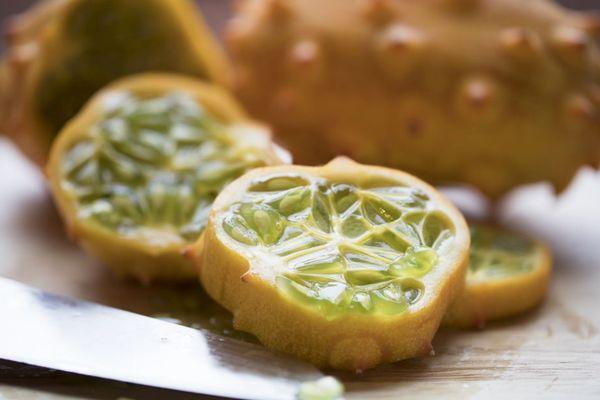
Kiwano can be used to make delicious sauces and dressings. For example, here's one recipe that brings out the flavor of kiwano:
- Mix sprouted beans with romaine lettuce and red apple pieces.
- Make a sauce from kiwano pulp and natural yogurt and dress the salad with it.
Tip: No need to peel the fruit. Simply cut it in half and scoop out the pulp with a spoon. Don't throw away the remaining peels: they can be dried and used for decorative purposes, in jewelry boxes, or as tableware.
Not everyone has the opportunity to grow kiwano. In such cases, you can buy it at a market or store. When purchasing, please note the following:
- the fruits should be firm and undamaged;
- the size should not exceed 15 cm;
- The color of the ripe fruit is orange with small streaks.
Secrets of growing
You can sow seeds for seedlings in late April or early May. First, soak them and wait for the sprouts to emerge, which usually takes 2-3 days. Then plant the seeds in loose, nutritious soil, placed in individual containers up to 10 cm in diameter.
The shoots require careful care. They prefer a constant temperature of 25°C, good lighting, and regular watering. The soil should be loose and moist. Avoid direct sunlight, as this can cause burns. This exotic plant dislikes drafts, so place the pots in a location protected from excessive air movement.
Take a look Also

After 3-4 weeks, you can plant the seedlings in a hotbed or greenhouse. Kiwano loves space—make sure there are no more than two shoots per square meter. The vines grow quite quickly, so it's a good idea to place supports near the plant to make it easier for them to cling to.
It's best to water the plant three times a week. If it's hot outside, water it daily.
Don't let weeds take hold near your kiwano. They will quickly suck out the nutrients from the soil, which are essential for healthy growth and fruit ripening.
It is best to loosen the soil in the morning or evening hours to avoid excessive moisture evaporation.
Don't forget to pinch off the side shoots to ensure abundant fruiting.
Plant feeding is essential. Organic fertilizers include mullein or chicken manure infusion. There are many types of mineral fertilizers, the composition of which is best suited for these types of crops.
If you follow all the growing rules, you will be able to harvest this wonderful and healthy fruit in August.
Note: You can try growing a horned melon on a balcony. The rules are the same: shelter from the scorching sun and drafts, regular watering, and loosening the soil. However, to set fruit, the flowers need to be pollinated artificially, using a brush.
Related posts:
 Carrot care guidelines for outdoor cultivation to ensure a good harvest
 The best grape varieties for growing in the Urals, planting and care rules in summer
 The best eggplant varieties for growing in a polycarbonate greenhouse: planting and care
 Causes and treatment of eggplant pests and diseases, how to combat them at home
 Methods for planting and propagating cherries at home
 Names and photos of 37 best melon varieties, descriptions and characteristics of all types
 Descriptions of the 20 best cherry varieties for the Moscow region, their planting and care
 Growing Kolkhoznitsa melon in open ground: benefits and how to choose
Take a look Also
Melon is quite a unique plant; it took me quite a while to learn how to grow it. There are a huge number of nuances to consider. Be sure to feed the melon with "BioGrow".