
- General characteristics of varieties
- Early ripening varieties with names
- Caramel F1
- Altai
- Cinderella
- Fairy tale
- Aikido F1
- Early-133
- Mid-season melons with description
- Collective farmer
- Amal F1
- Lada
- Galileo F1
- Ethiopian
- Mabel F1
- What are the late varieties?
- Torpedo
- Wintering
- Pineapple
- Golden
- Kiwi
- European
- Ozhen
- Banana melon
- Cantaloupe
- Central Asian
- Gulyabi
- Kassaba
- Khandalyak
- Kyrkagach is long
- Exotic
- Pineapple
- Kiwano
- Meltoria
- The sweetest
- Sybarite
- Radmila
- Akmaral
- Melon varieties for central Russia
- Iroquois F1
- Princess Svetlana F1
- F1 Passport
- Rainbow
- Seryozhka's love
- Cossack woman
- Uzbek melons
- Varieties of Turkmen melons
- Recommendations for selection
- Why is melon pink inside?
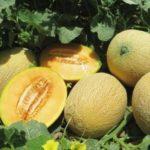
With the arrival of spring, gardeners begin selecting the right melon varieties for their plots. Photos and names help identify their characteristics and select the variety that best meets their needs and preferences. The plant originates from Asia, but can now be found in gardens in almost every region where agriculture is developed. Breeders annually expand the available selection with new varieties and hybrids.
General characteristics of varieties
Melons were originally grown exclusively in warm Asian climates. But over time, this annual herbaceous vine migrated to the cooler Russian climate. Through the efforts of breeders, new varieties have been developed that can produce tasty, sweet, and juicy fruits even in unusual climates.
Today, many varieties are known with early, late and mid-season ripening periods, suitable for cultivation in a wide variety of conditions.
Early ripening varieties with names
Early-ripening melons thrive and ripen well even in cool climates with abundant rainfall and limited sunlight. A wide variety of melons allows you to select plants with different fruit shapes and colors, as well as flavors and aromas.
Caramel F1
This hybrid was originally bred for commercial cultivation, but has since become popular with home gardeners. Karamel's advantage lies in its rapid ripening. Within 1.5 to 2 weeks of fruit formation, you can enjoy ripe and delicious melons. Furthermore, the plant boasts high yields and disease resistance. It tolerates extreme weather changes.
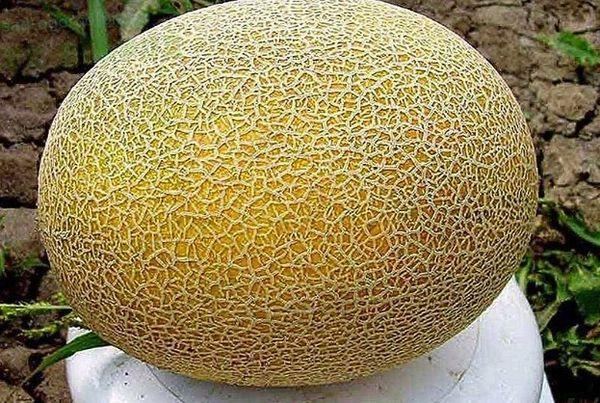
Altai
The Altayskaya variety was bred specifically for cultivation in harsh climates. The plant tolerates extreme temperature fluctuations and produces fruit even in high humidity. The fruit weighs up to 2.5 kg, with sweet and very aromatic flesh. Up to 20 kg of melons are harvested per square meter.
They are recommended for use to strengthen the immune system and normalize the functioning of the cardiovascular system.
Cinderella
The plant tolerates temperature fluctuations and is highly resistant to pests and diseases. Among its drawbacks, gardeners note that the fruit's flavor is not particularly sweet, even slightly sour. The harvested crop does not store well.
Fairy tale
This variety is prized for its uniform ripening in all weather conditions and its compact plantings. The melons have excellent flavor and can be used for fresh consumption, canning, and processing.
Aikido F1
An easy-to-grow hybrid suitable for growing in temperate climates. It boasts increased resistance to fungal diseases. The fruits are fragrant and sweet. Their flavor will please even true gourmets.
Early-133
Melon produces small fruits with sweet and aromatic flesh that ripen even in adverse weather conditions. The plant is disease-resistant and relatively pest-resistant. The harvested fruit can be transported and used for all types of processing.
Mid-season melons with description
If the climate permits, you can plant mid-season melons. They have excellent flavor, are easy to transport, and are suitable for storage. This method will also extend the harvest and consumption of fresh fruit.
Collective farmer
The variety's advantages include resistance to temperature fluctuations, disease immunity, and resistance to pests. The melons are aromatic, sweet, and suitable for processing. A drawback is that the fruits are not suitable for long-term storage.
Amal F1
Amal is distinguished not only by its good immunity to common diseases but also by the impressive size of its fruits. Each fruit can weigh up to 4 kg, and each square meter of garden bed yields up to 25 kg. It has a honey-like flavor and a strong aroma.
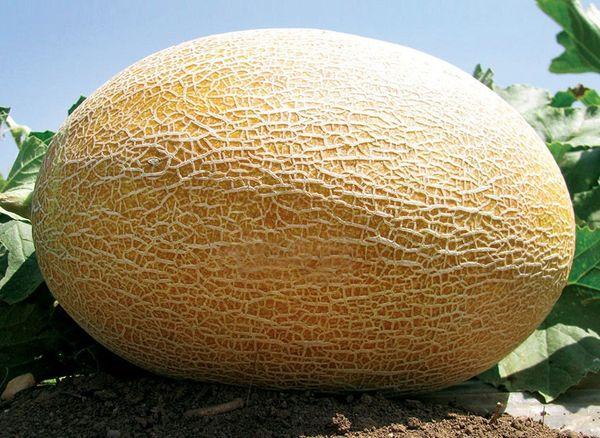
Lada
The fruits are small, juicy, aromatic and sweet. Melon is characterized by resistance to pests and diseases, as well as the ability to produce crops even in unfavorable climatic conditions.
Galileo F1
This variety is resistant to low temperatures, making it suitable for cultivation even in the northern regions of our country. The plant is disease-resistant. The harvest is suitable for transportation and long-term storage.
Ethiopian
Thanks to its easy transportability, strong aroma, and excellent flavor, this melon has won the hearts of gardeners. The fruit weighs up to 5 kg and is oval in shape. To increase yield and taste, it is recommended to grow Ethiopian only through seedlings.
Mabel F1
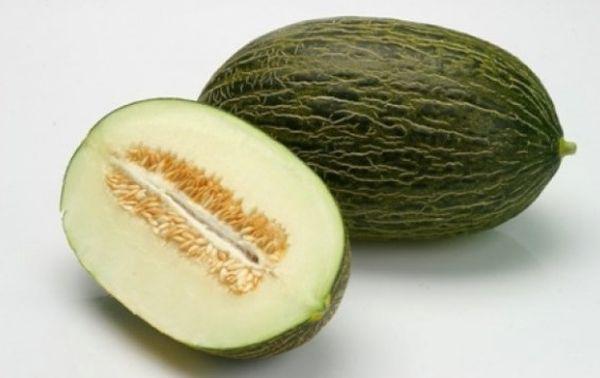
An unusual striped melon with green skin. The fruits are medium-sized and oval. It is suitable for transportation and long-term storage, with a sugar content of approximately 15%.
What are the late varieties?
If the climate allows, then gardeners are engaged in cultivation of late varieties of melonsThe fruits have a long shelf life, excellent taste, and a long ripening period, allowing for extended harvesting.
Torpedo
When grown in greenhouses, Torpedo fruits can reach 15 kg in weight, compared to only 6 kg in open ground. The dense skin ensures long-term storage and is suitable for transportation.
Wintering
This variety is distinguished by its increased resistance to low temperatures. The plant is vigorous, forming a spreading bush. The fruits are small, with juicy, very sweet green flesh and a long shelf life.
Pineapple
This variety was developed for cultivation in warm climates and is therefore grown exclusively in greenhouses in other regions. The plant is disease-resistant. The fruits have sweet pink flesh and a pleasant aroma.
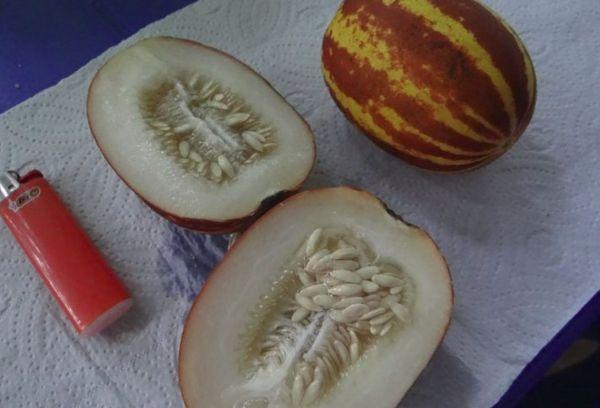
Golden
This variety was developed relatively recently and is actively cultivated in the Krasnodar Krai. Plants can be grown not only in open ground but also in greenhouses. They are distinguished by increased resistance to diseases and pests.
Kiwi
An unusual ribbed melon that attracts attention not only because of its name but also because of its distinctive green rind. The sweet, juicy flesh is the same color. Gardeners note that the fruit has a distinct kiwi flavor.

European
European countries have their own climatic conditions that are not suitable for all melon varieties.
Ozhen
A mid-season variety developed by Israeli breeders. It boasts high yields. The harvest is suitable for processing, canning, transportation, and storage.
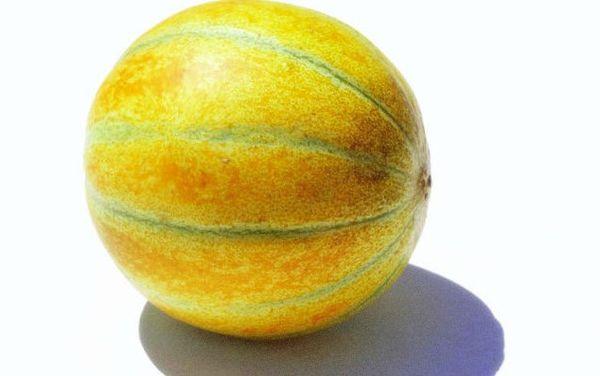
Banana melon
In appearance, the fruits of this variety resemble large cucumbers. This is confirmed by their oblong shape and green color. Banana melon is only suitable for greenhouse cultivation.
Cantaloupe
Melon bushes of this variety densely cover the soil surface. Fruit weight depends directly on growing conditions. Eating cantaloupe is beneficial for digestion and also helps boost the immune system, as it contains a large number of nutrients.
Central Asian
Central Asian melon varieties are distinguished by their incredible taste and suitability for long-distance transportation.
Gulyabi
A cultivar renowned since Soviet times, distinguished by its unforgettable flavor. The flesh is firm, the fruit is ovoid, and it has a strong, classic aroma.
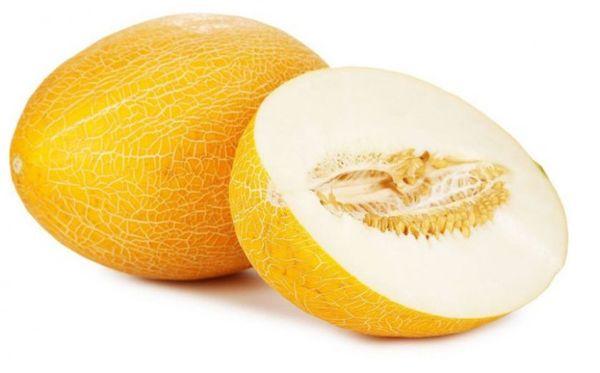
Kassaba
A late-ripening variety, the fruits ripen after being picked from the garden. The melons only develop their sweetness after a couple of months of storage. Immediately after picking, they taste like cucumber.
Khandalyak
This variety can only be tasted in Turkmenistan or Uzbekistan. The fruits do not keep well and do not travel well. In hot weather, chilled fruits are an excellent thirst quencher.
Kyrkagach is long
Turkish melon doesn't have a strong aroma, but its tender and juicy flesh is very similar to watermelon. It's suitable for growing not only outdoors but also in greenhouses. The fruits are transportable and suitable for storage.
Exotic
Connoisseurs of exotic fruits always crave something unusual. Melons are no exception, so breeders have introduced several varieties with unusual characteristics.
Pineapple
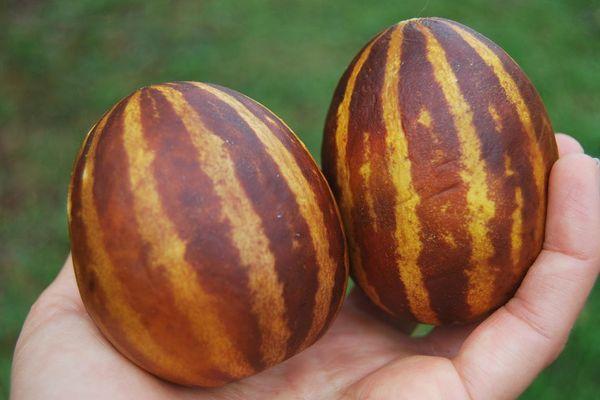
A small, brown fruit weighing up to 0.3 kg. Its surface features light orange stripes alternating with dark brown ones. The flesh tastes similar to pineapple.
Kiwano
This variety is very popular in African countries, but it arrived in Europe relatively recently. Yellow on the outside and green on the inside, this melon evokes mixed reviews among gardeners. Its flesh is not eaten, but only the green, refreshing core, which tastes like jelly, is consumed. The fruits are not suitable for storage, but are excellent for processing and preserves.
Meltoria
The miniature fruits reach a maximum length of 4 cm. Their flavor is similar to that of cucumbers. In the United States, the plant is often grown as a houseplant. It is suitable for pickling and salads.
The sweetest
This delicious, sweet fruit will satisfy even the most discerning gourmet. All you need to do is choose the right variety and follow the proper growing practices.
Sybarite
The shape of this melon variety resembles a kiwi. The plant is suitable for cultivation in southern climates. The maximum fruit weight reaches 0.6 kg, and up to 30 fruits can be harvested per square meter.
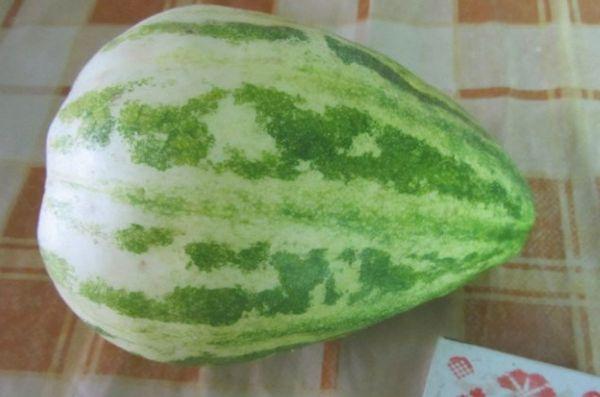
Radmila
An early-ripening Turkish variety with high yields. The fruit has juicy flesh and a strong aroma. The harvest is suitable for long-distance transportation and long-term storage without loss of marketability or flavor.
Akmaral
A Turkmen melon with juicy flesh and a subtle pineapple flavor. It is highly productive and ripens mid-early. The fruits are suitable for transportation and storage.

Melon varieties for central Russia
Melons differ not only in terms of ripening time, but also in the regions where they are recommended for cultivation.
Iroquois F1
Considered one of the most productive varieties in temperate climates, it boasts enhanced immunity to fungal diseases. It ripens mid-early, and the harvest yields excellent flavor.
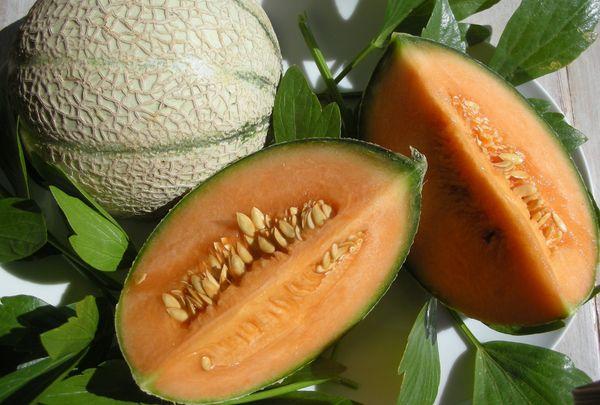
Princess Svetlana F1
An early-ripening hybrid that tolerates temperature fluctuations well. It is resistant to pests. The melons are small in size and have an excellent flavor and pleasant aroma.
F1 Passport
A distinctive feature of this variety is its large fruit size. They have excellent flavor and aroma, as well as versatile uses. Yields are high.
Rainbow
The fruits have healing properties due to the high content of carotene, acids and vitamins. At the same time, the melon is distinguished by its increased heat-loving nature and does not form ovaries if the air temperature is below +20 °C, and the crop ripens at least at +30 °C.
Seryozhka's love
An early maturing, unpretentious variety, suitable for growing even on infertile soil. The melon was bred by Altai breeders edges specifically for the climate of the middle zone.
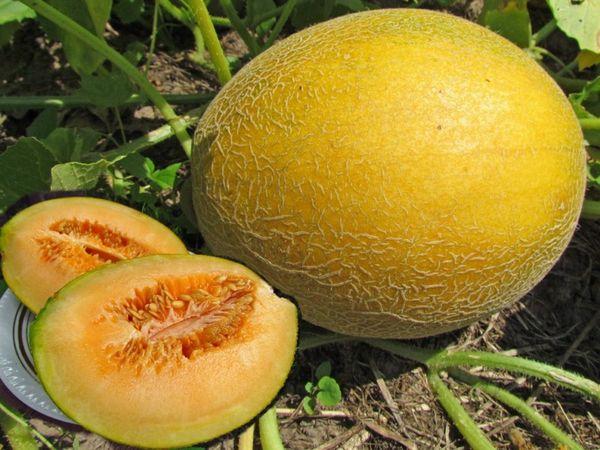
Cossack woman
A mid-season variety recommended for growing indoors. It does not tolerate temperature fluctuations well. The fruits are sweet, aromatic, and suitable for processing and short-term storage.
Uzbek melons
Uzbek melons are renowned for their excellent sweet taste, aroma, and rich nutritional content. The following varieties are considered the best:
- Chillaki;
- Kukcha;
- Cook duppy;
- Kizil kovun;
- Obi novvot;
- Zhura cand;
- Mirzachulskaya.
Varieties of Turkmen melons
This group includes approximately 400 melon varieties, differing in ripening time, fruit appearance, taste, and growing conditions. The most common are:
- Azgyn;
- Vakharman;
- Months;
- Gulyabi;
- Beshek;
- Garrygyz.
Recommendations for selection
The melon variety for your own plot is chosen depending on the climate and growing conditions (open or closed ground). It is worth considering that late and mid-season varieties are not suitable for cultivation in all regions. Not every variety can be grown in greenhouse conditions. Refer to relevant recommendations when purchasing seeds.
Why is melon pink inside?
Melons with pink flesh inside are among the elite Central Asian varieties. They are perishable and therefore do not withstand long transportation.
The color should be uniform, without any distinctive spots. The taste of this fruit is simply delicious, as is its aroma.
If spots are visible on the flesh, this could be the result of chemical dyes. Unscrupulous sellers often try to pass off ordinary melons as premium varieties. Eating such a product is not always safe.
Related posts:
 Description and technology of growing Vietnamese melon, varieties
 How to grow melons outdoors, planting dates, watering, and care
 Description and cultivation technology of the Ethiopian melon variety
 Golden recipes for preparing pickled melon for the winter and storing the prepared products
 Rules for growing and caring for melons in Siberia in open ground
 Description and selection of the Torpedo melon variety, benefits and harms for the human body
 Growing Kolkhoznitsa melon in open ground: benefits and how to choose
 Why are my melon leaves turning yellow in open ground? How to treat and what to do.