
The Altai melon was specially bred for cultivation in harsh climates. This variety is characterized by early maturity and tolerance to high humidity.
Description of the variety
Melon belongs to the gourd family. The fruit is elongated, oval, and golden in color. It can weigh up to 2 kg. Melon's flavor is somewhat reminiscent of pumpkin, but varies depending on weather conditions and growing region.

Altai melon is extremely beneficial for health. It boosts hemoglobin and immunity, improves cardiovascular and genitourinary function, and is also recommended for anemia.
Growing melons
The main condition for growing melons — pollination by insects. Before planting melons, it's essential to prepare the soil: loosen it, dig it over, and lay several layers of hay.

Seeds for seedlings are planted in mid-April in prepared containers. Place no more than two seeds in each container. Pre-cleaning or steaming of the seeds is not required. Then cover the seedling containers with plastic wrap and place them in a warm place, perhaps near a heating vent. The first sprouts will appear within 5 days, and the seeds should germinate within 7.
At the end of May, young shoots are carefully transplanted into prepared open ground, watered generously and covered with film.

The film can be removed after June 20th. Melon care includes:
- Watering. After removing the film, melons are watered generously until the end of July. This will strengthen the tops and initiate fruit set.
- For a larger harvest, plants can be fertilized. Regular ash works well as a fertilizer. Mix it with water and spray the melons with the resulting solution.
- Don't forget to periodically loosen the soil and direct the cuttings.
- The first fruits will begin to appear in early August, and by mid-August they should be fully ripe. During this time, the fruits should be covered with protective film.
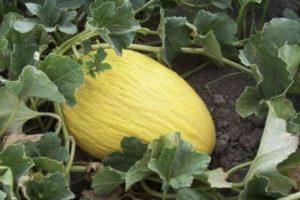
Important: stop watering the melon after the first fruits appear! Otherwise, the plant may rot or crack.
Diseases and pests
Most often, melon is susceptible to diseases such as:
- fusarium;
- powdery mildew;
- copperhead.

Much less frequently, the plant is attacked by spider mites, aphids, and tobacco thrips. Pests can be controlled by treating the crops with specialized chemicals.
Fusarium
Fusarium wilt causes foliage to take on a grayish tint and become spotted. The disease is caused by a fungus that penetrates the plant's roots. If left untreated, the plant will die completely.

Disease prevention:
- plant melons in different places every year;
- Before planting seeds, treat them with a 40% formalin solution;
- it is necessary to plow the land;
- observe watering conditions.
In case melon diseases All affected fruit must be destroyed. It is recommended to treat the remaining melons with a potassium chloride solution.
Powdery mildew
This disease causes grayish spots to appear on the underside of leaves, which eventually spread throughout the plant. If left untreated, powdery mildew can completely destroy melons. At the first sign of melon disease, affected plants should be disposed of immediately, and the rest should be sprayed with sulfur wettable powder. It is recommended to repeat the procedure after 10 days.

As a preventative measure, the crop should be planted in different areas of the garden every year.
Copperhead
Another name for the disease is anthracnose. Brown spots appear on the surface of the leaves. After some time, these spots begin to dry out. Copperhead causes fruit rot and vine brittleness. The disease can be eliminated by treating the melons with ground sulfur and Bordeaux mixture.

Reviews of the Altai melon
This melon variety has received mostly positive reviews. The fruits are noted for their early ripening and pleasant flavor. The seeds have a good germination rate, and the fruits themselves have a fairly long shelf life. Caring for melons is largely the same as caring for cucumbers. The main thing is to prevent the plant from freezing and maintain proper watering.
Negative reviews include frequent fruit damage from various diseases. Furthermore, in particularly cold regions, the seeds fail to germinate.
In general, with proper care, a melon produces 5 to 7 fruits, which can then be eaten not only fresh, but also used to make jam, bake, etc.
Related posts:
 How to grow melons outdoors, planting dates, watering, and care
 Growing Kolkhoznitsa melon in open ground: benefits and how to choose
 Golden recipes for preparing pickled melon for the winter and storing the prepared products
 Rules for growing and caring for melons in Siberia in open ground
 Why melons aren't setting fruit and what to do about it. Methods for hand pollination.
 Why are my melon leaves turning yellow in open ground? How to treat and what to do.
 Description and technology of growing Vietnamese melon, varieties
 Description and cultivation technology of the Ethiopian melon variety
I grow Altai melon, I am pleased with its fast growth and abundant harvest, but still, to get better results, I use BioGrowIt's easy to use, the results are obvious, I recommend it.