
The Lada melon is a mid-season variety that is suitable for growing in warm climates with humidity around 70%.
Characteristics of the variety
The Lada melon is sensitive to environmental conditions. It grows poorly in both drought and excess moisture. Melons are heat-loving melons and should be planted outdoors at temperatures no lower than 17°C. To ensure a tasty and abundant harvest, growing temperatures should range from 27°C to 30°C.
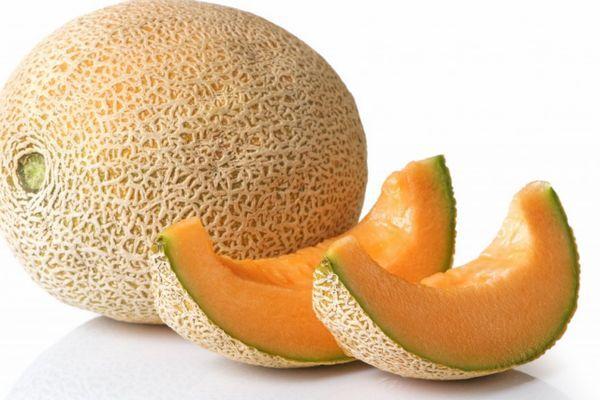
Characteristics of the variety:
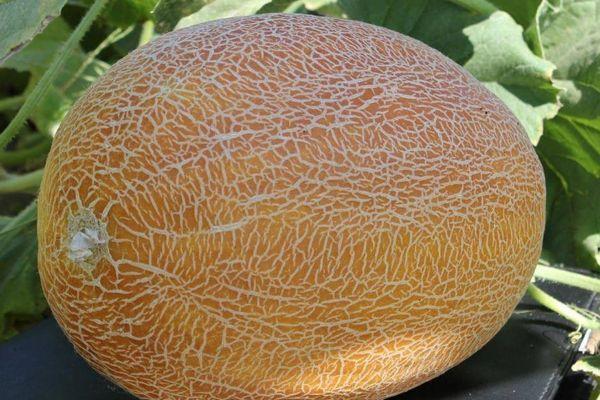
- The fruits are smooth, round, and yellow in color.
- Weight varies from 1.5 to 2 kg.
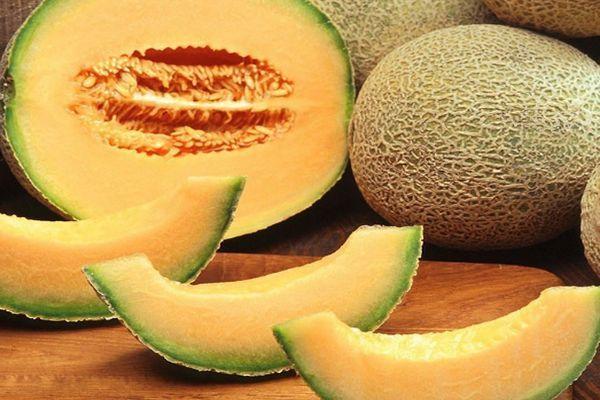
- There is practically no aroma, but the flesh is juicy and rich.
- The maturation period ranges from 74 to 96 days.
The variety description includes both positive and negative aspects. Positive aspects include:
- peel resistance to cracking;
- the pulp is suitable for making candied fruits;
- resistance to diseases and aphid attacks;
- pleasant taste.

Among the disadvantages, one can note the need to form bushes. The melon needs pinching. and removing excess ovaries. To ensure sweet and large fruits, no more than four melons should be left on a single bush. The fruits that set closest to the main trunk should be retained.
Growing seedlings
Mid-season melon varieties are often grown from seedlings. Seeds are planted in late April, soaked in warm water beforehand. It is recommended to grow seedlings in individual containers at least 10 cm in diameter. The seeds are planted 1.5 cm deep.
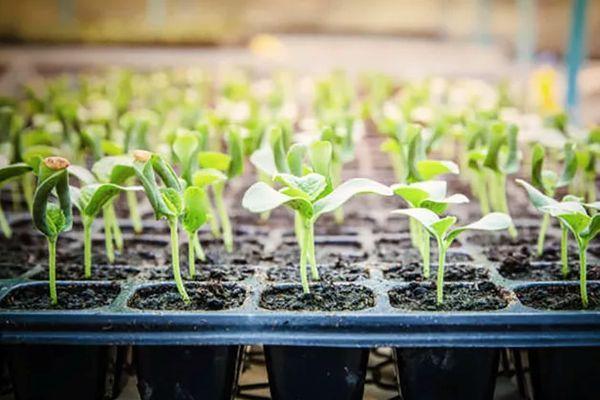
Seedlings need sunlight and warmth, so it's best to place them on a windowsill. The air temperature should be between 20 and 25°C. However, if it rains outside, the temperature in the room with the seedlings should be lowered. Melon seedlings require additional feeding:
- After the first true leaf appears, mineral fertilizers should be applied.
- The second feeding with mineral fertilizers is carried out 2 weeks after the first.
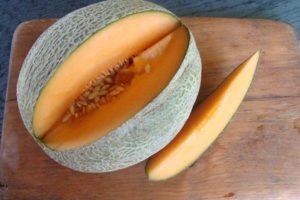
When the seedlings develop 5-7 leaves (usually around mid-May), they can be planted outdoors. Choose open, sunny, wind-protected areas for planting. The soil should be light and have a neutral pH. For a better harvest, add compost or humus to the soil when tilling it in the fall.
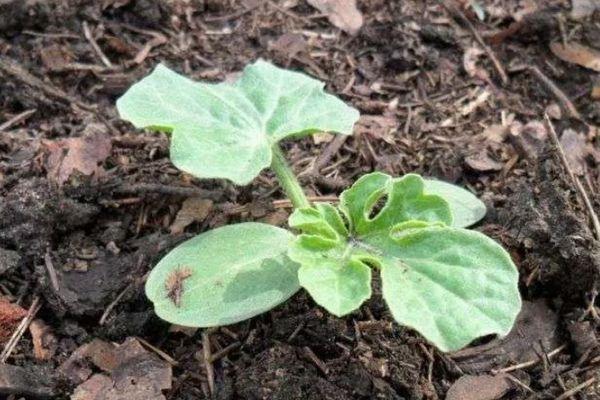
Seedling roots are very fragile, so they should be carefully placed into prepared holes. Don't plant the root collar too deep, and mulch the soil after planting. The distance between rows should be at least 70 cm, and between plants at least 50 cm. After planting, water the seedlings with warm water.
Caring for a melon
A trellis method is recommended for growing Lada. For this, a frame approximately 2 meters high is prepared in advance. Four days after planting the seedlings in the ground, the shoots are tied to ropes. The plant will then grow upwards on its own.
Melons require regular watering. However, avoid overwatering, as this can cause root rot. It's recommended to stop watering once the fruit appears. It's important to avoid getting water on the leaves, as sun exposure can cause burns. Another essential part of care is weeding. If weeds aren't removed, the shoots will stop growing, and the fruit will remain small.
When growing Lada melon, don't forget about fertilizers:
- When planting seedlings in the ground, saltpeter is added to the hole.
- At the beginning of the formation of shoots, organic fertilizers are added under the roots.
- Superphosphate or urea solution can be used as a spray.
Fertilization should be stopped after fruit appears.
Pumpkin grafting
A common method for increasing the Lada variety's resistance to disease and cold, as well as shortening the growing season, is grafting it onto a pumpkin. This is done by simultaneously germinating melon seedlings and pumpkin seeds. After the pumpkin's first full leaf appears (usually on the 11th day), the grafting is performed. A melon shoot is cut from the root and inserted into the cut pumpkin stem. Beforehand, a thin layer of skin is peeled off on both sides.
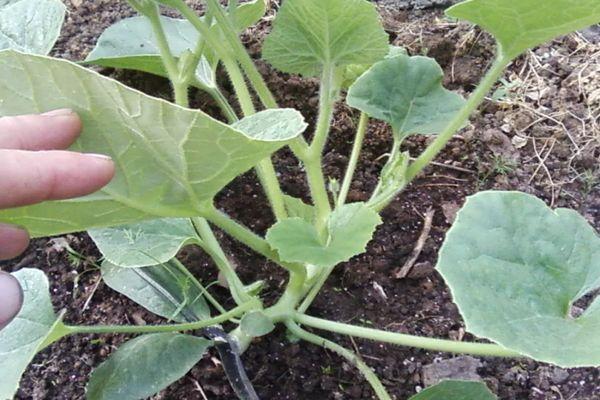
The junction is wrapped in foil. After grafting, the plant is left for 10 days in a special room where the temperature is maintained at 30°C and the humidity at 98%. The seedlings require no further care. Grafting shortens the growing season by 30 days.
Reviews of the Lada variety
Reviews of the Lada melon are generally positive. Its pleasant flavor and resistance to cracking are noted. Melon does not require any special care. The variety is resistant to diseases and pests, excluding pinching and shaping. With proper watering, weed control, and fertilizing, the melon produces a good, juicy harvest.
Related posts:
 Description and technology of growing Vietnamese melon, varieties
 Names and photos of 37 best melon varieties, descriptions and characteristics of all types
 Golden recipes for preparing pickled melon for the winter and storing the prepared products
 How to grow melons outdoors, planting dates, watering, and care
 Growing Kolkhoznitsa melon in open ground: benefits and how to choose
 Description and selection of the Torpedo melon variety, benefits and harms for the human body
 Rules for growing and caring for melons in Siberia in open ground
 Why are my melon leaves turning yellow in open ground? How to treat and what to do.
An excellent variety, we've been planting it for three years. The flesh is juicy, sweet, and very tasty; we even dried it for the winter. I've been fertilizing it for the last two years. BioGrow, so it became much larger in size and more resistant to diseases.