
- Why is the flesh inside an unusual color?
- Beneficial properties and contraindications
- The best varieties of melons with orange flesh
- Princess Mary
- Altai
- Portent
- Charlotte
- Orange
- Iroquois
- Charente
- Contalupa
- Evdokia
- Iroquois F1
- Gorkovskaya 310
- Jumbo F1
- How to plant a variety in a garden?
- Necessary conditions for growing
- Reviews of varieties
Today, there are many varieties of melons. Their distinctive characteristics depend on their size, flavor, shape, and flesh color. Melons with an orange interior are considered the most attractive. These hybrids not only have a distinctive appearance but also a pleasantly sweet flavor. What makes these berries unique is the optimal balance of all the micronutrients in the flesh.
Why is the flesh inside an unusual color?
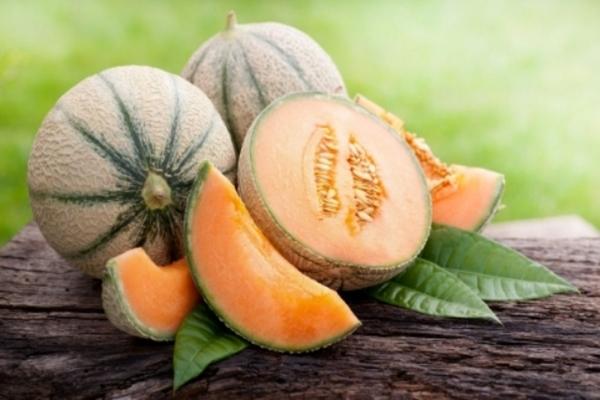
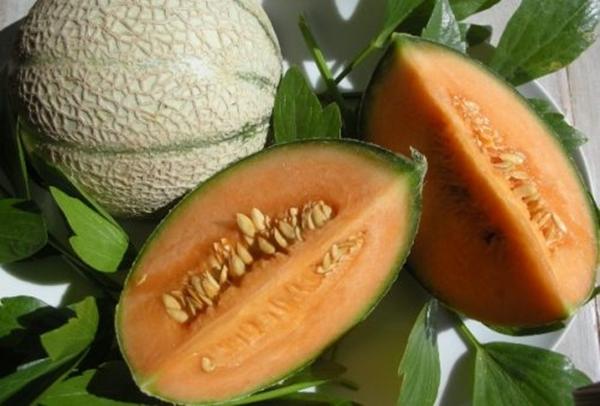
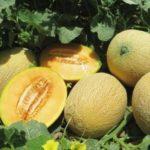
Sometimes, when you cut into a melon, you'll notice its flesh is bright orange. What causes this and what could be giving this delicacy this hue? The orange color depends on the following factors:
- variety;
- soil composition;
- growing conditions of the crop (watering, sun, heat);
- The color indicates the degree of ripeness of the melon.
The color of the melon pulp does not affect the taste characteristics.
Beneficial properties and contraindications
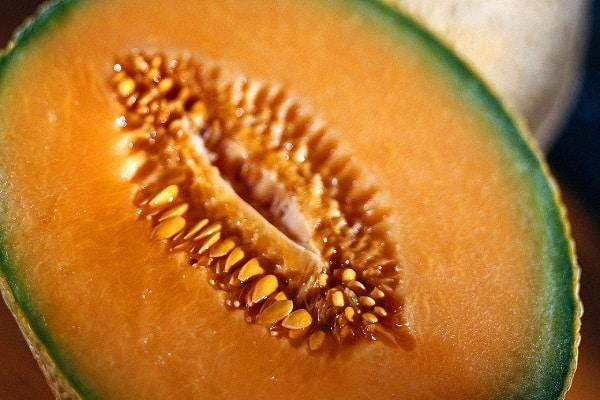
Melons with orange flesh contain a lot of beta-carotene, provitamin A, which is responsible for the youthfulness of the body, the process of restoration of old cells, and the cleansing of blood vessels from atherosclerotic plaques.
In addition to vitamin A, melon is rich in microelements:
- Ascorbic acid.
- Folic acid.
- Silicon.
- Manganese.
- Iodine.
- Potassium.
- Retinol.
- With iron.
- Tocopherol.
- Riboflavin.
- Chlorophyll.
The pulp and seed of melon contain about 30% fatty oil, which is healthy to eat.
If you eat fresh melon, the microelements contribute to:
- overcoming various diseases;
- improving vision and male potency;
- calming the nervous system;
- renewal of body cells;
- cleansing of vascular walls;
- slowing down the aging process;
- beneficial effect on intestinal microflora, removal of cholesterol from the body, improvement of the digestive process;
- strengthening the immune system.
As is well known, melon can also quench thirst. Nutritionists prescribe it as a therapeutic treatment for conditions such as:
- anemia;
- cardiovascular diseases;
- atherosclerosis;
- liver and kidney diseases.
Besides its benefits, melon has some contraindications. It should not be included in the diet of:
- in the acute phase of pancreatic damage;
- if you have a stomach ulcer or gastrointestinal infection;
- in case of diabetes pathology, detected prediabetic condition.
The best varieties of melons with orange flesh
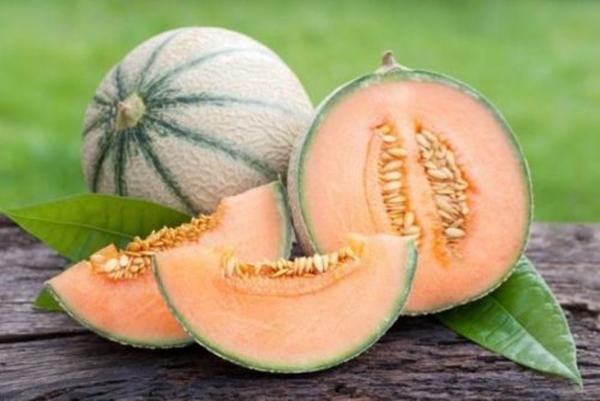
There are many varieties of orange-fleshed melons. The berries are unusual in appearance and sweet in taste.
Princess Mary
This melon is considered an early crop. Recommended locations for growing plants.
- Under cover.
- In greenhouse conditions.
- In the south - in open areas.
The hybrid has a round shape and a gray-green skin. The berries have a distinct Muscat aroma. The average weight is 1.5 kg. This variety cannot be stored.
The value of the species lies in:
- in increased productivity, even if conditions are unfavorable;
- in resistance to many diseases;
- in cold resistance.
Altai
Gardeners living in the Urals are recommended to grow the Altai variety. It ripens early and is undemanding.
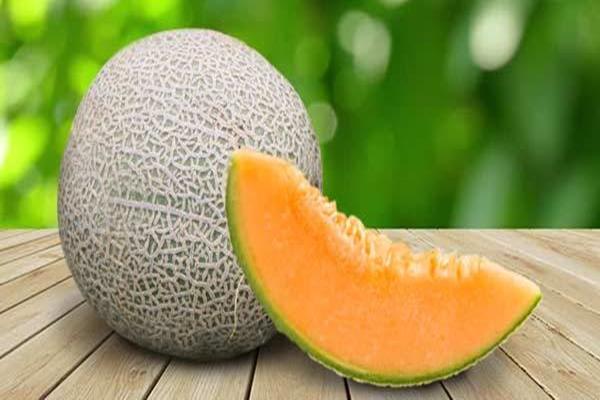
The melons are round and weigh up to 2 kg. The skin is firm. The color is light green or gray, with a mesh pattern. The flesh is bright orange and has a good flavor.
Altai melon is durable:
- when temperature changes are observed;
- to high humidity;
- to diseases.
It produces a good harvest in various regions of the country.
Portent
An early-ripening variety suitable for planting in open ground or greenhouses. The bush is large and disease-resistant. Berries can weigh up to 1.5 kg.
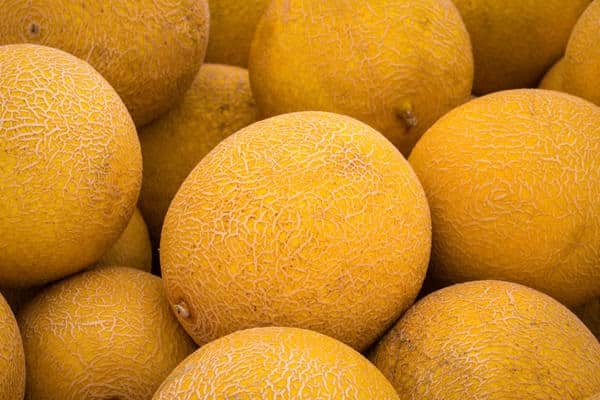
The melon has a firm texture, an orange interior, and a sweet, juicy flavor. The skin is light gray, with a yellow tint and green stripes running lengthwise. The entire berry has a textured mesh pattern.
Charlotte
All orange-bottomed varieties have varying amounts of carotene. But Charlotte is considered the record-holder.
This is an early crop. It takes 2.5 months for the first fruits to appear. Best fruiting is observed in greenhouses. If Charlotte is grown outdoors, it is recommended to use a spreader.
The fruit is round, with a dark orange skin. The interior is dense and interspersed with pinkish veins.
Orange
The melon ripens at a medium rate. It produces a good yield, and the vines grow quickly. When ripe, the melons weigh 1.6-2 kg.
The orange variety is bred in the south of the country, in open ground. In Siberia, it is grown using seedlings, otherwise the fruits do not have time to ripen.
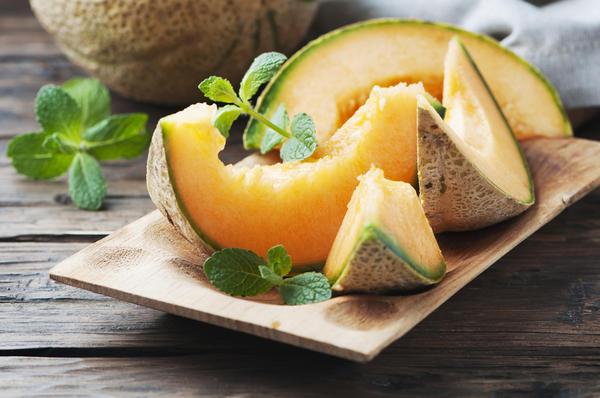
The skin is firm, with a pattern and green stripes running along the melon. The fruit's base color is gray-yellow. The interior is orange and has a pleasant melon aroma.
Iroquois
Breeders developed this variety based on Cantaloupe. This mid-season crop is renowned for its good yields. The plant is resistant to diseases such as powdery mildew and fusarium.
It takes 2.5 months for the seeds to germinate and the fruit to ripen. Berries weigh up to 1.7 kg. The Iroquois has a dense, hard skin. When ripe, the berries are light green, later turning gray, with a raised pattern.
The fruits have a juicy, sweet taste and dense orange flesh.
Charente
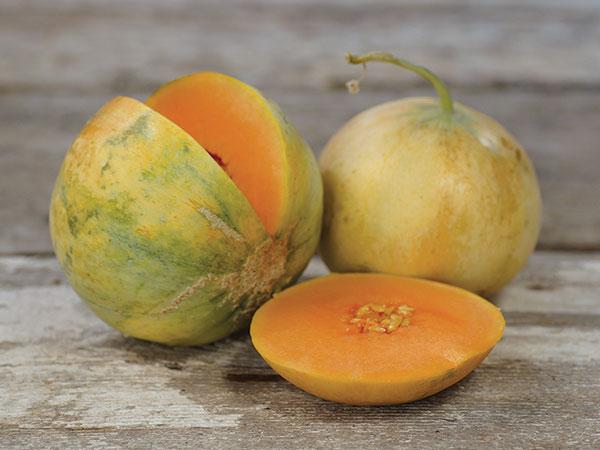
The melon is similar in appearance to the Contaloupe. France is considered the birthplace of the Charente melon. Today, it is planted in tropical climates, where it has the perfect conditions for growth.
The berry ripens fairly early, is small in appearance, and has a pleasant flavor. The melon is often round and flattened, with smooth greenish-blue skin and prominent dark veins. Inside, the berry is bright orange, juicy, and sweet.
The species is unpretentious in care and quite productive.
Contalupa
The variety is widely grown due to its ability to thrive even in low temperatures. This characteristic makes it suitable for planting in open ground.
The average weight is up to 1 kg. The berries are oval, flattened, and green and gray in color. They are juicy and have a honey-like flavor.
By growing berries in greenhouses and using fertilizers, you can get good harvests.
Evdokia
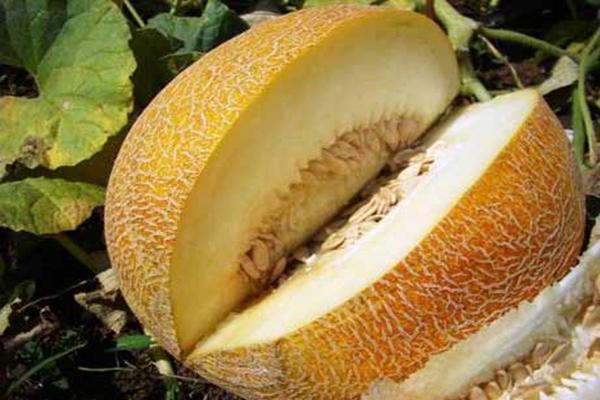
This berry is the earliest to ripen. Thanks to this quality, this variety, a favorite among gardeners, grows easily in open areas.
Its main advantage is its resistance to sudden temperature changes. The berries are spherical, weighing up to 2 kg. Ripeness is determined by the slightly orange skin. Evdokia has a sweet, juicy interior.
Iroquois F1
The variety was developed by hybridizing Contalupa. It is productive, producing berries in late summer, and is disease-resistant.
Melon thrives in warm weather, resulting in the best yields in southern countries. In harsh climates, the fruits grow small.
The berries are large, weighing up to 1.5 kg. The skin is bright green, turning beige when ripe. The fruit has juicy, sweet, and firm flesh.
Gorkovskaya 310
The plant ripens early, reaching maturity 2.5 months after the first berries appear. The bushes have short stems.
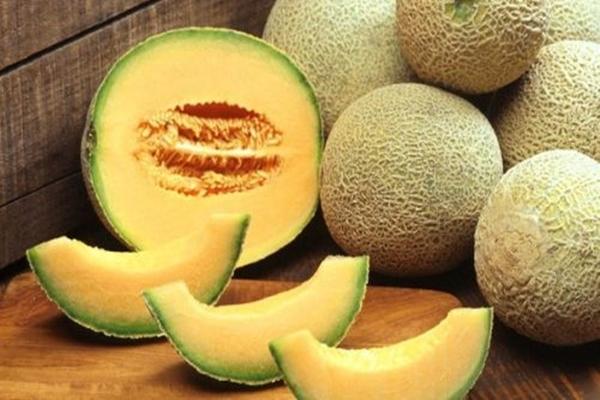
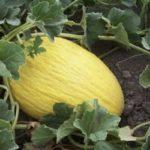
The fruit is round, sometimes oval. The peel is bright yellow, lemon, or orange, with a faintly defined segment.
The fruit is prized for its oily, juicy pulp, which contains a high amount of beta-carotene and 9% sugar. A yield of up to 4 kg per square meter can be obtained.
Jumbo F1
A common cultivar with an orange interior. It's grown only in greenhouses, as it's a very delicate species.
The berry thrives in warmth and light. It grows well in open areas in southern countries.
The melons are oval and oblong in shape. The skin is greenish-cream. The inside is salmon-colored.
Taste characteristics of the berry:
- Sweet.
- Fragrant.
- It has a honey aftertaste.
How to plant a variety in a garden?
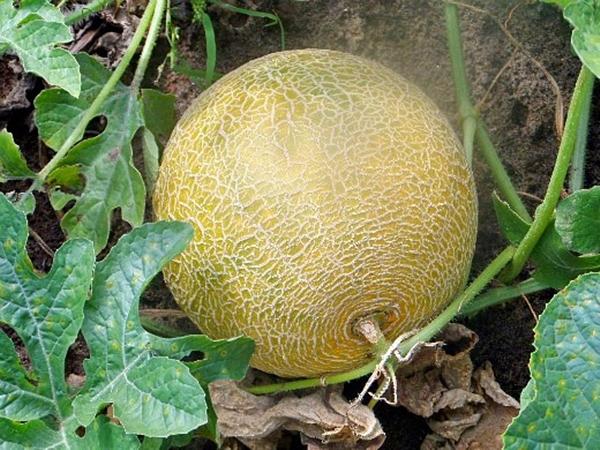
To ensure a bountiful berry harvest, fertilize the plot with humus in the fall. Planting can be done at any time. Early varieties are sown in March, late varieties in April.
The seeds are germinated in damp cheesecloth and then planted in seedling containers. The soil should be loose and fertile. To ensure germination, the seeds are covered with plastic wrap until the first shoots appear. The plastic wrap is then removed, and the container is placed in a bright, warm area for further growth.
When the soil warms to 15 degrees Celsius and the house temperature reaches 22 degrees Celsius, transplant the cuttings. The shoots are planted in the ground at a distance of 50 cm.
Necessary conditions for growing
The crop should be planted in an open, sunny area. It's best to choose a location away from strong winds.
For normal melon growth, light soil with a balanced pH and adequate nutrients is essential. Avoid over-drying soil. Damp conditions can also be dangerous, as the melon's root system will rot.
The plant needs moderate care to ensure a good and tasty harvest.
Reviews of varieties
Gardeners who successfully grow this crop have the following to say about orange melon varieties:
- Marina planted Charente in a greenhouse. The vines were trained up a trellis because the foliage covered the entire ground. She harvested berries weighing 1.5 kg each. She'll try sowing the seeds in open ground.
- Grigory planted the crop in a bed using seedlings in late spring, fertilizing it with cow manure beforehand. He maintained the plants by watering, hoeing, and weeding. The berries grew to 1 kg each. Sixteen fruits were produced from eight plants.
Related posts:
 How to grow melons outdoors, planting dates, watering, and care
 Golden recipes for preparing pickled melon for the winter and storing the prepared products
 Growing Kolkhoznitsa melon in open ground: benefits and how to choose
 Why melons aren't setting fruit and what to do about it. Methods for hand pollination.
 Rules for growing and caring for melons in Siberia in open ground
 Why are my melon leaves turning yellow in open ground? How to treat and what to do.
 How to treat melons against pests and diseases, and can infected fruits be eaten?
 Description and cultivation technology of the Ethiopian melon variety