
- History and characteristics of melon
- Selection
- Description of the variety
- Advantages and disadvantages
- Beneficial properties and harm
- Varieties of the variety
- Growing technology
- Planting dates
- Selecting a location on the site
- The sowing process
- Care instructions
- Watering and fertilizing
- Formation of bushes
- Soil
- Protection from diseases and pests
- Harvesting and storage
- How to choose a Gulyabi melon?
- Feedback from our readers
Central Asia has always been considered a major source of delicious, juicy melons. Unfortunately, hybrid melon varieties don't always meet all the necessary characteristics. It often happens that a fruit that seems beautiful and appetizing at first glance turns out to be completely tasteless. But if a gardener, vegetable grower, or farmer is faced with the choice of which variety to choose, the answer is clear: the Gulyabi melon.
History and characteristics of melon
The Gulyabi melon variety is recommended for growing in the dry, hot climate of the Asian region. This annual plant is planted in open, sunny areas. The fruit ripens in 130-135 days.
Selection
The Gulyabi variety was first developed by breeders in Turkmenistan at a research institute in the Chardzhou district of the country, which gave rise to its second name, Chardzhou melon. Scientists in Uzbekistan and Kazakhstan then joined in the development of varietal varieties. Therefore, today there are several varieties of the Gulyabi variety.
Description of the variety
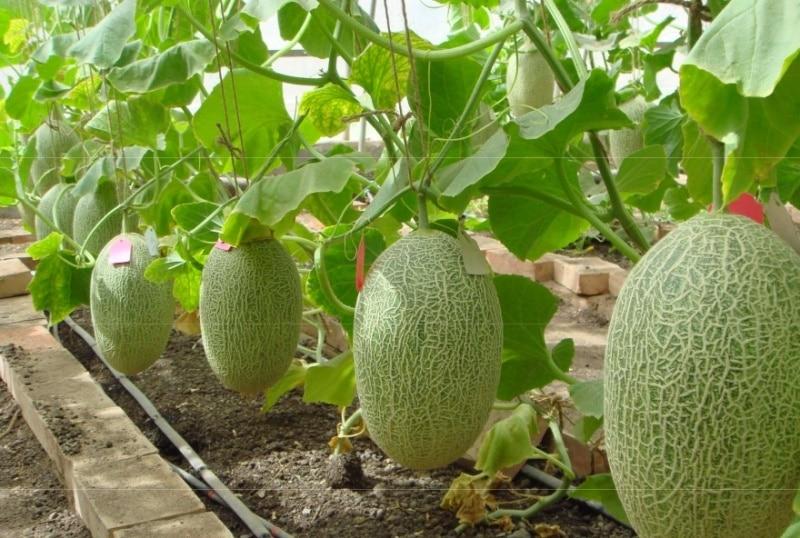
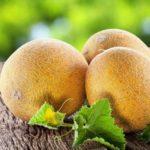
It's hard to confuse a melon with any other vegetable or fruit. The Gulyabi variety is distinguished by its elongated, oval fruits in shades of yellow and orange. The interior of the fruit has dense, juicy flesh with a sweet flavor and a lingering, honeyed aroma. The skin is dense and firm, and when ripe, it becomes covered with fine cracks, creating a mesh-like pattern on the surface.
 Important! A special feature of this variety is that the longer the ripe fruits are stored, the sweeter and more aromatic they become.
Advantages and disadvantages
All hybrid crops have distinctive qualities, and Gulyabi is no exception.
Advantages of the variety:
- The fruits are stored for a long time, so you can enjoy the unusual taste of melon all winter long.
- The vegetable pulp is rich in vitamins and nutrients that help cope with many diseases.
- The high sugar content in fruits is not dangerous; they are quickly and easily absorbed by the body.
- It is widely used in the food and culinary industries. The plant's constituents are also used in the perfume and cosmetics industries.

And these are only the main advantages of the fruits, in fact there are many more.
Flaws:
- It is not recommended for people with high blood sugar and certain gastrointestinal diseases to consume the fruit.
- The difficulty of growing crops in regions with temperate and cold climates.
- The crop is not grown in greenhouse conditions. Due to a lack of sunlight, the vegetable becomes tasteless.
- The plant is susceptible to fungal and viral diseases, and is also often attacked by pests.
For delicious, healthy, and beautiful fruits, you can be patient and learn the rules of agricultural technology for growing and caring for the Gulyabi melon.
Beneficial properties and harm
The fruit contains vitamins, macro- and microelements essential for the body's vital functions. It's also low in calories, and its high sugar content helps quickly fill you up. Therefore, melon is often used in dietary and baby food.
The substances contained in the fruits have a beneficial effect on the condition of the skin, nails and hair.
The fruit is not recommended for people with diabetes or gastrointestinal diseases. In rare cases, the vegetable can cause allergic rashes. Gulyabi is grown primarily on an industrial scale, so the fruit contains excessive amounts of harmful substances.
Varieties of the variety
After the Gulyabi or Chardzhou melon was bred, breeders did not stop there, and several varieties of this variety were developed based on this vegetable crop.
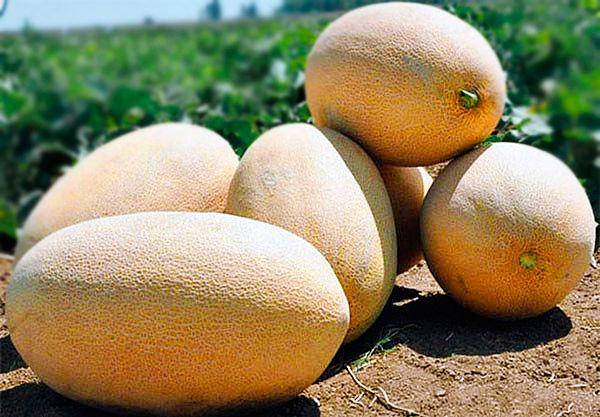
- The Gulyabi melon, variety 803, is cultivated in the melon fields of Turkmenistan. The fruits are large, with yellow skin and juicy, sweet flesh.
- A variety of the Chok vegetable crop with orange skin and a sweet, aromatic core and tender flesh.
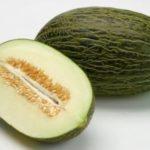
- The Green Gulyabi melon is cultivated in Uzbekistan. The fruits are large, up to 7 kg, with green skin and juicy flesh. This variety has a long shelf life.
- A Boswaldi variety with medium-sized fruits and fibrous flesh. The rind is striped and green in shades. This melon has a short shelf life, so the fruits are rarely transported.
Each type of Gulyabi melon has its own characteristics and features, but they are all healthy and tasty.
Growing technology
Growing melons is a long and labor-intensive process. Therefore, it's important to be patient and strong, as only through hard work can you grow a high-quality and bountiful harvest.
Planting dates
Gardeners have always loved experimenting. So, in the central part of the country, the Gulyabi melon variety is not considered a rarity from Asian countries. Seeds are prepared for planting in advance. Before planting in open ground, the seeds are treated with disinfectants. Planting begins depending on the weather conditions in the region. Seeds are usually sown from late April until the end of spring.
Important! To plant Gulyabi melon seeds, the soil must be well warmed.
Selecting a location on the site
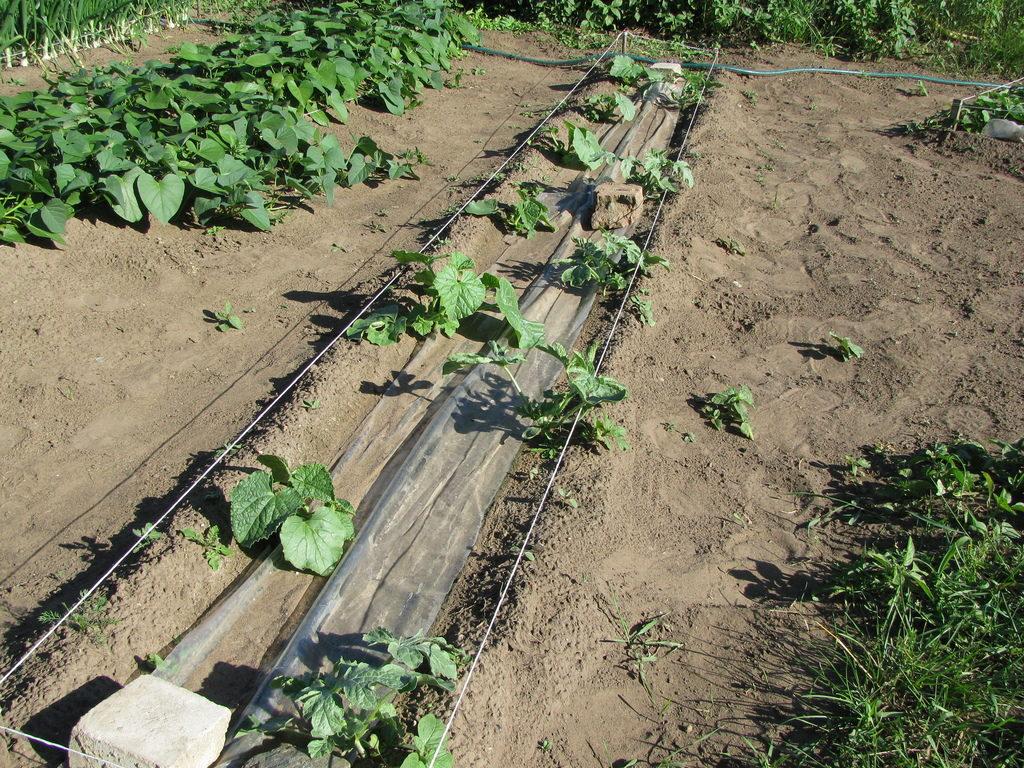
Vegetables are planted in level, well-lit areas. They can be preceded by plants from the nightshade family, legumes, or garlic. It is not recommended to plant them in areas where carrots, melons, or pumpkins were grown.
The sowing process
If the soil in the plot is dense and heavy, add sand. Plants prefer loose, sandy soil. In the beds, dig holes 5 to 7 cm deep, spaced 70-80 cm apart. Maintain a distance of at least 1.5 m between the beds. Before planting, add warm, settled water to the hole and sow a few seeds.
Care instructions
To grow the Gulyabi melon, knowledge of certain agricultural practices is required.
Watering and fertilizing
The crop is watered between the rows, not under the plant roots. Watering is done only with warm water when the soil dries out to a depth of 5-7 cm. Watering is stopped when the fruit ripens. Fertilize the plant several times. Young shoots are fertilized initially, then organic fertilizer is added as buds form.
The last time vegetables are fed after flowering has ended is with potassium and phosphorus fertilizers.

Formation of bushes
Vegetable bushes grow quickly, which negatively impacts yield. Bushes are pinched back, and excess fruit buds are removed. Two to five fruit buds are left on each bush.
Soil
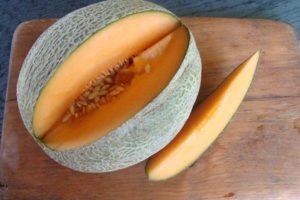
While the plants are small and not spreading, soil loosening is carried out between the rows. As soon as the plants close together between the rows, soil cultivation ceases.
Protection from diseases and pests
Gulyabi is a sensitive crop, often susceptible to diseases and pests. Control is difficult and time-consuming, negatively impacting the quantity and quality of the harvest. Therefore, preventative disinfection of the vegetable crop is carried out periodically.

Harvesting and storage
The Gulyabi variety is fully ripe by early September. As soon as the fruit develops a honey-like aroma and the stems begin to dry, it's time to begin harvesting. Under the right conditions, the delicious fruit will keep until the next planting season, in May.
How to choose a Gulyabi melon?
Ripe fruits exude a strong honey aroma, have an evenly colored, dense skin and a dry stem.
Feedback from our readers
Sergey, Volgograd
I haven't grown a Gulyabi melon yet, but I buy ripe ones every year. The aromatic flesh tastes like vanilla. It's delicious, juicy, and sweet. I'll try growing some at my dacha next year.
Irina, Moscow. She only buys Gulyabi melons. The sweet, aromatic, and juicy flesh takes us back to childhood. My husband and I easily eat a whole melon in one sitting.
Related posts:
 How to grow melons outdoors, planting dates, watering, and care
 Growing Kolkhoznitsa melon in open ground: benefits and how to choose
 Names and photos of 37 best melon varieties, descriptions and characteristics of all types
 Golden recipes for preparing pickled melon for the winter and storing the prepared products
 How to treat melons against pests and diseases, and can infected fruits be eaten?
 Description and cultivation technology of the Ethiopian melon variety
 Rules for growing and caring for melons in Siberia in open ground
 Why are my melon leaves turning yellow in open ground? How to treat and what to do.