
- Why sprout beans?
- Preparing beans for sprouting
- What kind of containers does it germinate in?
- Basic methods of germination
- How to quickly sprout beans for eating
- In a damp cloth
- In a glass container
- On cotton pads
- Germination of bean material for planting in the ground
- In a hand-rolled cigarette
- In a bowl
- In peat pots
- School experiments
- Caring for beans
- How many days does it take for beans to sprout?
- Planting sprouted material into the soil
- Why can't bean seeds be sprouted in soil?
Beans, along with other legumes, are used to prepare a variety of dishes, including raw salads made from sprouted grains. Gardeners plant them in their gardens to harvest their own produce. In both cases, the legumes need to be sprouted. Below is information on how to properly sprout beans for eating and planting in the garden.
Why sprout beans?
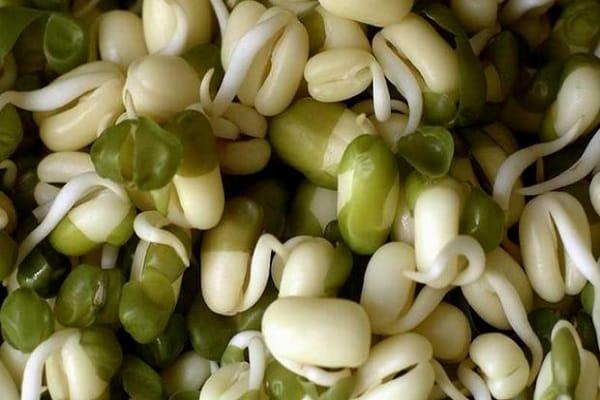
Healthy eating advocates recommend eating sprouted beans, including beans. They contain a large number of vitamins and microelements essential for the body. Green beans are used in food. small beans Mung beans, also known as peas, are used to make salads, stews, and cutlets. Sprouting beans is done for several reasons:
- Sprouting breaks down the sugars that cause bloating.
- The amount of useful protein in grains increases by 30%, the amount of carbohydrates decreases by 15%.
- The carcinogen aflatoxin is deactivated.
- The number of enzymes increases 100 times.
- Eating sprouted beans helps eliminate toxins.
If the legume is not being eaten raw, but rather used as planting material, sprouting will help the seeds germinate quickly. Gardeners will be able to harvest the beans sooner than if they were planted without sprouts.
Preparing beans for sprouting
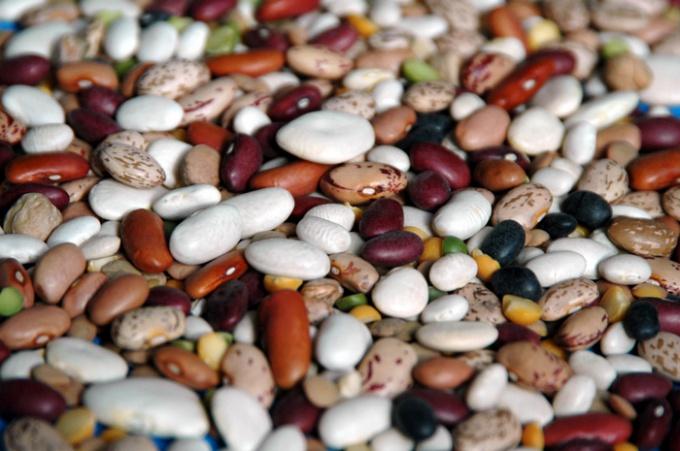
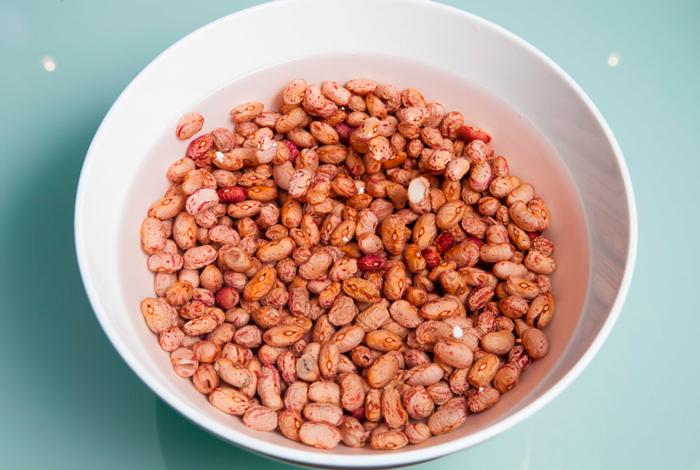
Before soaking, the seeds are sorted, discarding any defective ones. Remove any blackened, beetle-eaten, or dry beans. These seeds will not germinate anyway and will only take up space in the container. Then, the beans are thoroughly washed, especially if they are being sprouted for consumption. They are placed in a container of water for 4-5 hours to swell, then sprouted using one of the chosen methods.
Tip! To speed up the sprouting process, soak the beans in water for 4-5 hours to allow them to swell.
What kind of containers does it germinate in?
To sprout beans, you'll need two containers. One should have a flat bottom and drainage holes, and the other should be deep enough to accommodate the drained liquid. The material of the container doesn't matter. Some experimenters sprout beans in a glass jar.

Basic methods of germination
Beans are sprouted both for consumption and for planting in open ground. Each method has its own nuances.
How to quickly sprout beans for eating
There are several ways to sprout legumes for food. With any method, the seeds swell overnight, and the first sprouts appear within 1-2 days. First, soak the seeds in water for several hours to speed up germination.
In a damp cloth
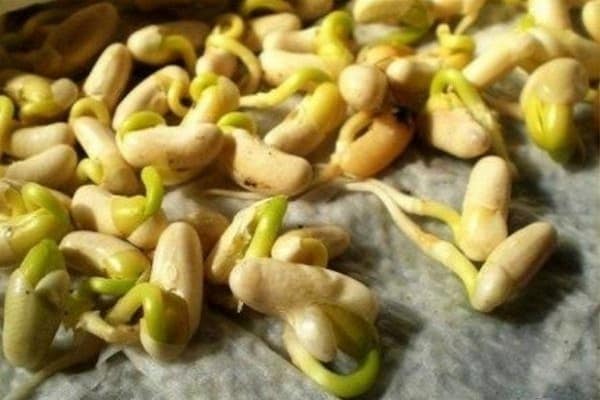
Place the beans on the moistened material and cover them with the same layer of cloth. Every 2-3 hours, mist the beans with water from a spray bottle. When misting, ensure there is no excess liquid on the surface. This prevents the seeds from breathing and can cause mold.
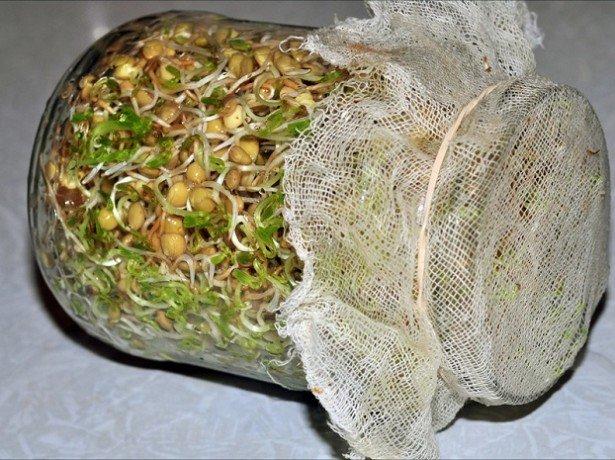
In a glass container
Sprouting beans in a glass container at home step by step:
- The washed seeds are placed in a glass jar.
- Cover the container with damp gauze or other cloth.
- Then the container with beans is placed in a warm place.
Rinse the beans twice a day—morning and evening—and then return them to the jar. This method prevents excess moisture from building up in the jar, preventing heat exchange and preventing the seeds from molding.
On cotton pads
First, place cotton pads or balls in a container, then place the beans on top. Moisten everything with a small amount of water. Place the container in a warm place. Sprouts will appear the next day.
Germination of bean material for planting in the ground
Several seed soaking methods are also used for planting in the ground. Germination begins within two days. Seeds begin sprouting a few days before planting in the ground. First, they are washed, soaked in water for several hours, and then in a weak solution of potassium permanganate to prevent fungal diseases.
In a hand-rolled cigarette
The procedure is as follows:
- A roll of toilet paper is spread on the film, which is then sprayed with water from a spray bottle.
- The beans are laid out at a distance of several centimeters from each other.
- A layer of paper is laid on top, which is then moistened.
- The film is rolled up and the bottom edge is dipped into water.

In a few days the beans are ready for planting.
In a bowl
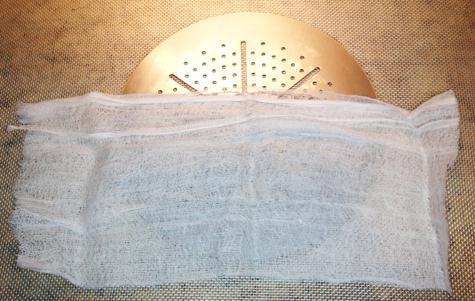
For sprouting, use a colander, a deep bowl, and cheesecloth. The procedure is as follows:
- gauze is placed inside the colander.
- the seed material is poured out.
- The beans are covered with gauze on top.
The legumes are watered from above, with any excess draining through the holes into the bowl. Make sure the cheesecloth on top remains damp at all times.
In peat pots
Young bean seedlings don't transplant well, so they can be started in peat pots with moist soil. Once they've grown, they can be planted outdoors, pots and all. As the peat decomposes, it will provide additional nutrition for the root system.
School experiments
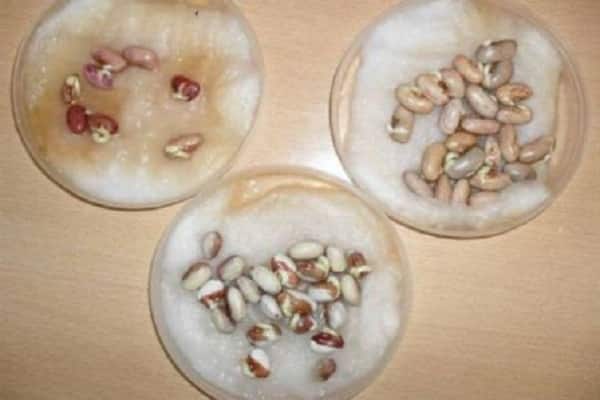
In biology class, students conduct various experiments, one of which involves properly sprouting beans. They use a nylon lid, cotton pads, and store-bought beans. The sprouting procedure is step-by-step:
- Wet disks are placed into the lid.
- Then the grains are laid out in one layer.
- The beans are covered with cotton pads, which are moistened with water.
Make sure the disks are kept moist at all times, but not soaked. Sprouts will appear within a couple of days.
Caring for beans
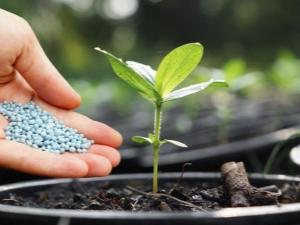
As soon as the beans sprout, water the bed and then loosen the soil. This process is carried out carefully to avoid damaging the fragile seedlings. Subsequently, loosening is combined with weeding. Water the beans so that the soil is moist, but not wet. Moisture is especially necessary during the period of pod formation. Twenty-five to thirty days after germination, feed the young plants with a complex mineral fertilizer. The next feeding is 20 days later.
To prevent plantings from being affected by fungal diseases, it is necessary to observe crop rotation, disinfect seeds, and burn infected bushes.
Pests such as snails and slugs are collected by hand. Climbing bean varieties need to be tied to supports to prevent them from breaking in the wind.
Please note! Before fertilizing the plant, water it with plain water, otherwise the salts may burn the delicate roots.
How many days does it take for beans to sprout?
When sprouted in a cloth, the sprouts appear within 24 hours. After another day, they reach a length of 5-7 millimeters. If you plant beans in peat pots at a depth of 1.5-2 centimeters and place them in a warm place, the sprouts will emerge above the surface of the substrate in 4-6 days. In open ground, the seeds germinate in 7-8 days.

Planting sprouted material into the soil
Don't allow the seeds to overgrow, otherwise the roots will begin to intertwine. When separated, the fragile seedlings may break, which will affect the germination of the beans. Beans are planted in the second half of spring. By this time, the soil has warmed up and the threat of frost has passed. This is important because legumes are not frost-hardy and can be damaged by even light frosts. Choose a well-lit site with loose, breathable soil. The beans should be planted sideways into the soil to avoid damaging the roots.
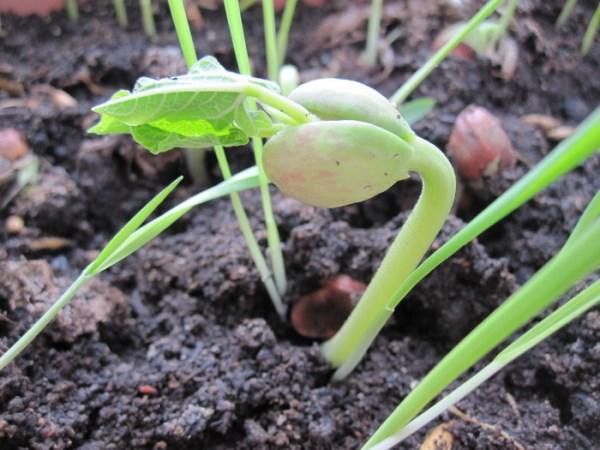
Dig holes 5-6 centimeters deep, water them, place the seeds in them, and cover with soil. Space the seeds 20-30 centimeters apart. If the seeds are planted in dry soil, there is no need to germinate them.
Additional information: According to folk wisdom, beans can be planted after the chestnut trees begin to bloom.
Why can't bean seeds be sprouted in soil?
The only seeds that shouldn't be sprouted in the ground are those intended for food. Furthermore, beans sown in seedling boxes don't transplant well. Therefore, if a gardener wants an early harvest, seeds should be planted in peat pots, which are then transplanted into open ground. In southern regions, a soak-free method is often used, planting beans in furrows as soon as the weather warms up, which doesn't require watering.
Related posts:
 Description and properties of the 50 best varieties of asparagus beans, benefits and harms
 The best recipes for pickled beans in jars for the winter are so good you'll lick your fingers.
 Description of the 90 best varieties of beans for open ground with names
 The benefits and harms of red beans for the human body: for women, men, and children
 Health benefits and harms of black beans, varieties, contraindications, and recipes
 Recipes for making pickled green beans for the winter at home
 How to store beans at home to prevent bugs from infesting them over the winter
 The health benefits of beans for women and men, harm and contraindications