
- Composition and caloric content
- Specifics of food intake
- Daily intake
- At what age can children be given persimmons?
- Features of fruit consumption during pregnancy and breastfeeding
- Beneficial properties
- For men
- For women
- For children
- For what diseases is it recommended to use?
- For type 2 diabetes
- For pancreatitis
- For gout
- For diarrhea
- For gastritis with high acidity
- The benefits and harms of persimmon seeds
- What are the benefits of dried and cured persimmon?
- Harm and contraindications
Everyone has tried persimmon at least once in their life. Some people love it, while others find its cloying flavor and tart skin completely unappetizing. But not everyone knows what persimmon is and what benefits or harms it brings to the body. Therefore, we will take a closer look at the properties and characteristics of this exotic fruit.
Composition and caloric content
Due to its low calorie content—66 kcal per 100 grams of fruit—persimmon is considered a dietary food product.
This exotic berry contains vitamins, amino acids, minerals, micro- and macroelements necessary for human health and proper functioning of the body.
- Vitamin C content boosts immunity, improves blood vessel elasticity, promotes blood formation, improves vision, relieves fatigue, and increases the body's performance.
- Vitamin A, or retinol, found in the berry, acts as an antioxidant. Vitamin A also promotes wound healing, regulates metabolism, boosts immunity, fights viruses in the body, and reduces the risk of cancer.
- The calcium contained in persimmons stabilizes heart function, normalizes the nervous system, cleanses blood vessels of cholesterol, and strengthens bone tissue throughout the body.
- Potassium is responsible for the functioning of the cardiovascular system, is a preventative measure against strokes and heart attacks, and rids the body of excess fluid and edema.
- Sodium, also found in persimmon, is responsible for metabolic processes and acid-base balance.
- B vitamins are responsible for the stable functioning of the central nervous system. They also improve mood and the body's resilience to various stresses and depression.
- Magnesium is the main supplier of the energy balance necessary for the body's vital functions.
- The iron found in persimmon is responsible for the condition of the blood, the functioning of internal organs, hair and skin.
- The iodine in the fruit prevents deficiency of this important substance in the body, stabilizes the endocrine system, improves sleep and appetite, has a calming effect during periods of severe stress, significantly improves brain function, and enhances resistance to various viruses and infections.
- The tannin in the fruit helps with severe stomach upset and diarrhea.
The fruits also contain proteins, organic acids, tannins, proteins, dietary fiber, cellulose and saccharides.
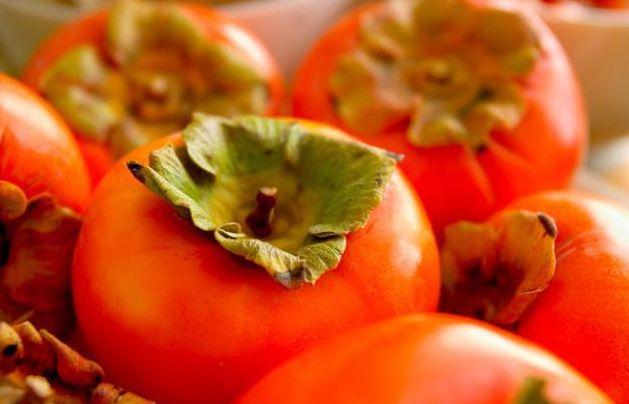 Important! Persimmons are used as a nutritional supplement to support overall health and are recommended as part of a comprehensive treatment plan. Using the berries alone as a treatment is not recommended.
Specifics of food intake
In terms of its composition, this fruit can be compared to the periodic table, so it's important to consume it within the recommended limits. It's also important to remember that it takes the body three hours to digest one berry.
Daily intake
As delicious as persimmon may seem, unfortunately, there are restrictions on the consumption of this delicious and healthy berry. Healthy adults are recommended to consume no more than 4 persimmons per day. Children under 12 are allowed only 1 persimmon per day. In other cases, the daily persimmon intake should be discussed with a specialist.
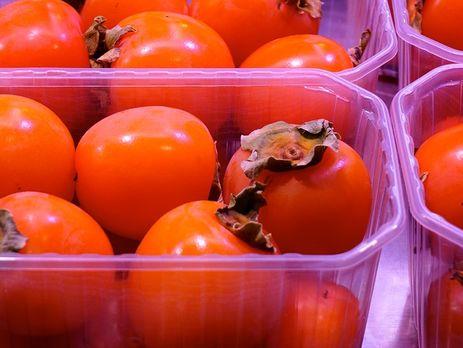
At what age can children be given persimmons?
Although this exotic fruit contains a wealth of vitamins and nutrients, persimmons are not recommended for children under 3 years of age. The berry's complex composition is difficult for a child's immature digestive system to digest. Children may experience discomfort after eating persimmons. From ages 3 to 6, the berry should be gradually introduced into a child's diet, closely monitoring their reactions after eating the fruit.
Important! In some cases, exotic fruits can cause allergic reactions.
Features of fruit consumption during pregnancy and breastfeeding
During pregnancy, a woman's body requires additional vitamins and nutrients. Fruits contain micro- and macronutrients essential for maintaining the health of both the expectant mother and the baby.
- The berry boosts immunity and helps fight bacteria, protecting a woman's weakened body from infections.
- During pregnancy, expectant mothers often experience swelling, which can be eliminated by introducing healthy berries into their diet.
- Persimmon fruits contain iron, a deficiency of which is common during pregnancy.
- Daily consumption of tasty and healthy fruits helps the heart function properly and normalizes blood pressure.
- The substances contained in persimmon pulp gently help with constipation, which is often encountered by expectant mothers, especially in the later stages of pregnancy.
- On the contrary, the tannins found in the fruit's skin help with severe stomach upset and diarrhea.
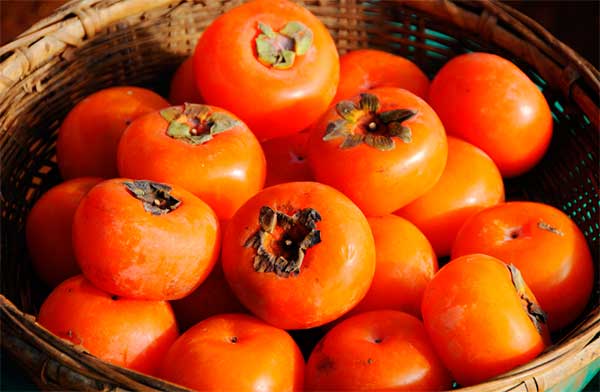
Berries contain a large amount of fiber and healthy sugar, which quickly curb hunger and help relieve nausea. Persimmons are complex and varied in their composition, so they should be introduced into a nursing mother's diet very carefully and only in the fourth month of life.
Persimmons contain substances that are difficult and slow for the body to digest. When ingested through breast milk, these substances can cause indigestion, stomach upset, constipation, and severe allergic reactions. If a woman consumed persimmons during pregnancy, the risk of adverse effects on the baby is reduced. It is recommended to consume persimmons during breastfeeding no more than twice a week, with no more than 1-2 fruits per meal.
Tip! A safer way to get the beneficial nutrients in persimmons is to eat them dried or cured. This minimizes the risk of allergic reactions and gastrointestinal upset in your baby.
Beneficial properties
The list of persimmon's beneficial properties is endless. The substances contained in this delicious berry support the functioning of all systems and organs of the human body.
For men
With a hectic lifestyle, men are constantly exposed to stress, depression, chronic fatigue, and nervous breakdowns, which negatively impacts their overall health. The vitamins, minerals, and other beneficial substances found in persimmons help combat negative environmental influences and restore vital functions in the male body.
- Introducing fruits into the diet strengthens and improves immunity, and has a preventative effect against viral and cold diseases.
- They reduce the risk of developing cardiovascular diseases and are an excellent preventative measure against heart attacks and strokes.
- They help in the functioning and restoration of liver cells.
- They promote the proper functioning of the genitourinary system.
- They protect the male body from the development of cancer, improve vision, increase potency and reproductive functions.
- The berry is recommended for the complex treatment of prostatitis and hemorrhoids.
Important! Daily consumption of persimmons helps restore and produce hormones, improves circulation, and increases endurance.
For women
Persimmon also provides invaluable help to the female body.
- The fruits are often used in the complex treatment of gynecological diseases and infertility.
- The substances contained in the berry help normalize the hormonal balance of the female body during menopause and relieve painful symptoms during the menstrual cycle.
- Often used in dietary nutrition regimens, they promote weight loss.
- Daily consumption of berries improves brain function, stabilizes blood pressure, and helps the digestive organs, liver, and kidneys.
- Particular attention is paid to the ability of persimmons to improve the condition of skin, hair, and nails. In this case, you can not only eat the fresh fruit but also make vitamin masks from it.
Important! Women's bodies often experience hormonal fluctuations, which can lead to fatigue, irritability, and decreased vitality. Daily consumption of this juicy, sweet, and healthy berry improves mood, reduces the impact of stress, and promotes increased brain function.
For children
Scientists have been debating the age limit for children to eat persimmons for many years. Some insist that the fruit can be introduced into a child's diet after age three, while others believe that only after age six can a child's body properly handle the nutrients contained in this healthy berry. Some even believe that persimmons should be given to children who have reached adolescence, and not before.
But no expert denies the undeniable benefits of fruits for children. The high iodine content in berries promotes brain development in children, improves memory, aids in the development of imagination, and helps with bone tissue formation. The iron content in fruits is responsible for blood health and aids in hematopoiesis. Calcium promotes bone development, supports the formation and function of the cardiovascular system, teeth, hair, and nails.
Important! The daily berry intake for a child is determined based on age and individual reactions to persimmon.
For what diseases is it recommended to use?
Persimmon berries are beneficial for health and are often used in dietary nutrition and as part of a comprehensive treatment for many diseases.
For type 2 diabetes
If you have type 2 diabetes, it's recommended to consume persimmons with extreme caution and in limited doses. The daily intake is determined based on the stage of the disease and your weight. Generally, no more than one fruit per day is allowed. The persimmon should be cut into several pieces and eaten in small portions throughout the day. After each consumption, your blood glucose levels should be monitored.
Advice! In any case, before introducing any healthy product into your diet, it's best to consult a specialist.
For pancreatitis
Persimmon is often used in the comprehensive prevention and treatment of digestive diseases. The berry not only improves gastrointestinal function but also maintains stable glucose levels. Therefore, for those with pancreatic diseases, this beneficial fruit is essential in the diet. The only contraindication for persimmon consumption is during an exacerbation of the disease. In this case, the inflammation should be treated first and only then should the berry be consumed.
For gout
Persimmon's beneficial properties cannot be ruled out for joint conditions, particularly gout. Although persimmon is considered a diuretic, which helps remove excess salts from the body during gout treatment, the fruit also contains acids that, on the contrary, promote the formation of harmful deposits. Therefore, for those with gout, it is recommended to consume persimmons in limited quantities. The daily intake of this beneficial berry should not exceed one medium-sized and medium-weight fruit.

For diarrhea
With prolonged diarrhea, the body loses a large amount of fluid and nutrients. Persimmon, which contains a complex of vitamins and minerals, as well as tannins, will not only help stop an upset stomach but also replenish lost fluids and the compounds necessary for proper functioning.
Caution! Avoid consuming this berry if you have diarrhea, are allergic to it, have an exacerbation of digestive conditions, have high blood sugar, or have undergone gastrointestinal surgery.
For gastritis with high acidity
Although this exotic berry does contain acids, it's in small quantities. Therefore, this healthy fruit is recommended for people diagnosed with gastritis with high acidity. Conversely, the thiamine found in persimmons normalizes acidity in the digestive system. This healthy fruit is not recommended for those with gastritis accompanied by ulcers.
The benefits and harms of persimmon seeds
The fruit seeds also have numerous beneficial properties. The seeds are roasted and crushed. The resulting powder is steeped in boiling water and used as a beneficial infusion. This infusion is especially helpful in treating male genitourinary disorders. Roasted persimmon seeds can easily replace sunflower or pumpkin seeds. Consuming persimmon seeds is not recommended for anyone with any gastrointestinal ailments. The substances concentrated in the seeds can exacerbate these conditions.
What are the benefits of dried and cured persimmon?
Dried and cured persimmons are no less beneficial for the body. If the berries weren't heat-treated during the drying process, all the nutrients and vitamins are preserved. Dried fruit is also absorbed much faster and more efficiently. Therefore, eating dried and cured persimmons is not only possible, but also recommended.
Harm and contraindications
In addition to its beneficial properties, persimmons also have contraindications, which, if not followed, can cause irreparable harm to the body.
Not recommended:
- For severe obesity. Dried and cured berries in small quantities are an exception.
- After operations on the gastrointestinal tract.
- During breastfeeding until the baby is 4 months old.
- It is forbidden to give the berry to children under 3 years of age.
- At different stages of diabetes.
- Mix the fruits with other berries and fruits, wash down with water or dairy products.
- In case of exacerbation of chronic diseases of the digestive system and ulcerative diseases.
If you can't resist this tasty and healthy berry, consider consulting a specialist and working together to find a solution.
Related posts:
 The health benefits and harms of cherries, rules of consumption, and their effects on the body
 The health benefits and contraindications of white currants
 The health benefits and harms of watermelon for the human body, how to consume it correctly
 The benefits and harms of gooseberries for human health, properties and uses
 Description of 36 of the best sweet and large varieties of gooseberries
 The benefits and harms of walnuts for the body, contraindications
 Description of the beneficial and harmful properties of plums for human health, contraindications
 The health benefits and contraindications of black currants