
- Is it allowed to combine fungicides with insecticides?
- Table of possible compatibility of insecticides, fungicides and microfertilizers
- What does the term tank mix mean?
- What to dilute combined pesticides in
- What is acceptable to mix and what is not?
- Safety precautions when using tank mixtures
- What is the best way to spray?
When using fungicides and insecticides together, it's important to consider their compatibility. All chemicals are dissolved in water before treatment. Mixing them together can cause an adverse reaction. It's best to conduct a compatibility test before preparing a solution. It's important to only mix similar products and never combine chemicals with biological pesticides.
Is it allowed to combine fungicides with insecticides?
On large and medium-sized farms, fields are typically treated using machinery, such as trailed or self-propelled sprayers. Several times per season, crops are treated against pests and fungal diseases, protected from weeds, and fertilized with fertilizers and growth stimulants.
For such farms, saving fuel and labor costs is a top priority. For this reason, fungicides, insecticides, and fertilizers are mixed in the same tank. This is permitted. However, it's important to carefully read the instructions and find out which products are compatible with each other, meaning they won't cause a chemical reaction when mixed and won't inhibit plant growth after spraying. It's easier to buy ready-mixed tank mixes, where the fungicides and insecticides are already mixed by the manufacturer and sold in a single canister.
Owners of small farms who cultivate their gardens and vegetable plots using hand-held, pneumatic, or battery-powered sprayers are better off not taking risks.
It's best not to mix fungicides and insecticides in the same container without knowing the properties of the chemicals. It's better to spray each product separately. This will require treating the plants several times per season, but the risk of damage to the crops will be minimal. If you want to reduce the number of treatments, you can mix fungicides with insecticides and even fertilizers in the same sprayer. However, it's important to check their compatibility first.
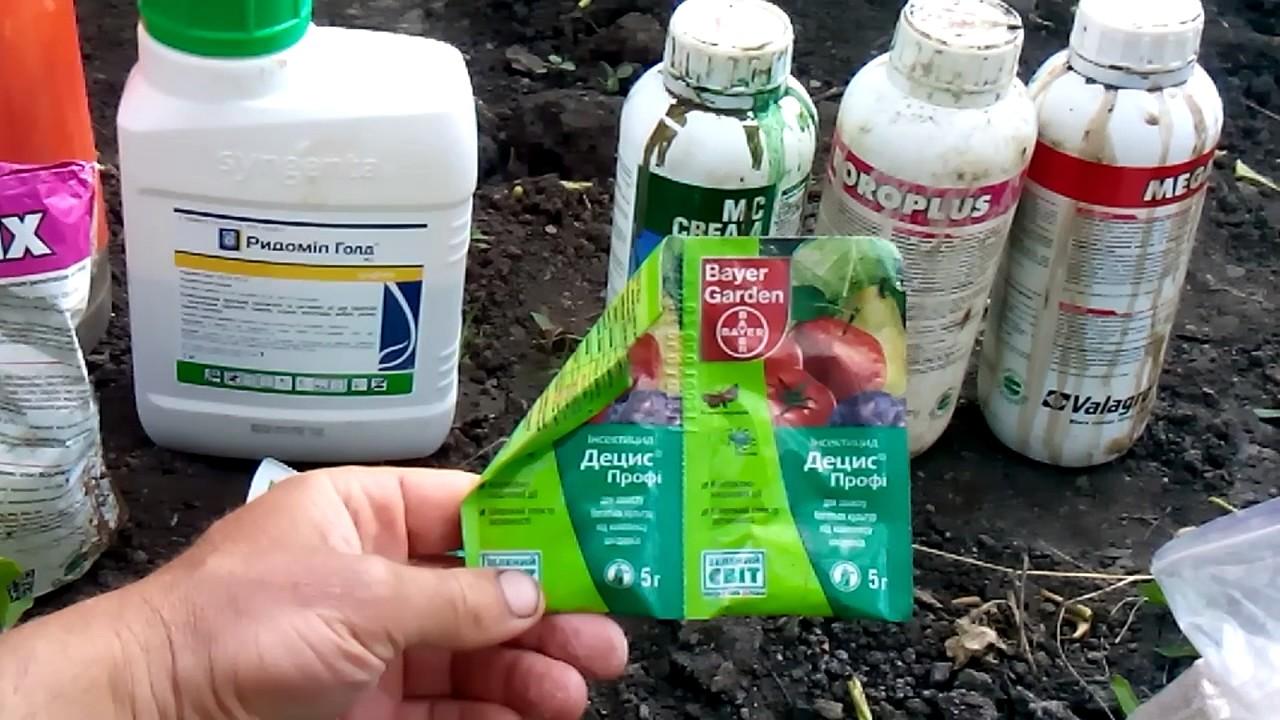
Rules for preparing the solution:
- read the label or instructions under "product compatibility";
- do a test (add all components one by one to a container of water and evaluate the result after half an hour);
- If, as a result of the test mixing, a chemical reaction occurs with the release of gas, or the solution separates, flakes or a curd-like mass appears, then such a mixture cannot be used for spraying crops.
When preparing a solution from various chemicals, the dosage of each component should be reduced by 10-30 percent. Insecticides and fungicides are added alternately. Mix the substances immediately before use. For better adhesion, it is advisable to add a neutral liquid soap to the mixture.
Table of possible compatibility of insecticides, fungicides and microfertilizers
Compatibility of garden and vegetable garden products (table):
| Pesticide name | With fungicides | With insecticides | With growth stimulants or fertilizers |
| Bordeaux mixture | only with sulfur-based preparations | No | No |
| Fungicides based on chemicals of the class dithiocarbamates + morpholines, triazoles, benzimidazoles, strobilurins (Acrobat, Skor, Ridomil, Strobi) | yes (with each other) | Yes | Yes |
| Sulfur-based fungicides | only with Bordeaux mixture | No | No |
| Copper-containing fungicides | No | No | No |
| Organophosphorus insecticides (contact) | Yes | Yes | yes (except those containing calcium) |
| Intestinal insecticides based on chlorophos, phosalone, and pyrethrin | Yes | Yes | Yes |
| Systemic insecticides (based on imidacloprid) | Yes | Yes | Yes |
What does the term tank mix mean?
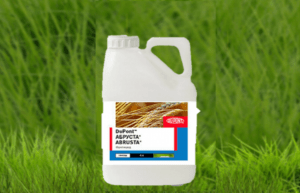
Farms use commercially available mixtures to save fuel and time. These crop protection products significantly reduce costs. Tank mixes are concentrated, ready-to-use, factory-prepared liquid formulations consisting of two or more components. Commercially available formulations may include herbicides, insecticides, various fungicides, and even fertilizers. These mixtures are typically prepared in-house based on the physical and chemical compatibility of various substances. Some farms even try to prepare their own solutions of various formulations for field treatment.
However, it is necessary to know the rules for mixing various chemicals so as not to harm cultivated plants.
Advantages of using tank mixes:
- cost reduction, saving time, labor costs and energy resources;
- reducing the pesticide load on crops;
- reduction of the consumption rate of each chemical substance;
- reduction in the number of treatments;
- minimizing mechanical damage to plants.
However, when preparing your own mixtures, you need to pay attention to a few nuances. First, the products must be physicochemically compatible. Second, it's best to match the crop treatment times. Third, it's important to consider the interactions between both the active and auxiliary components (anionic and cationic surfactants should not be mixed).
In addition, a simple chemical reaction can result in the formation of a precipitate that will damage the mechanisms, i.e. the sprayer nozzle.
What to dilute combined pesticides in
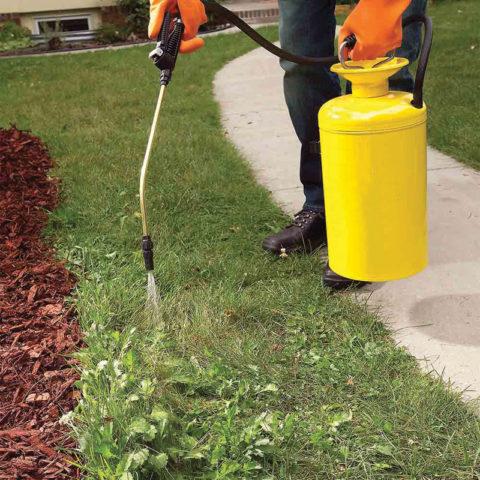
The stock solution for treating a garden or vegetable patch is prepared in a separate container. It is poured into a sprayer tank, which is first filled halfway with liquid. Then add the remaining water. It's best to dilute each product in a separate container. Then mix them together in the same container, observe the reaction, and only if a positive reaction is observed, pour the mixture into your sprayer tank.
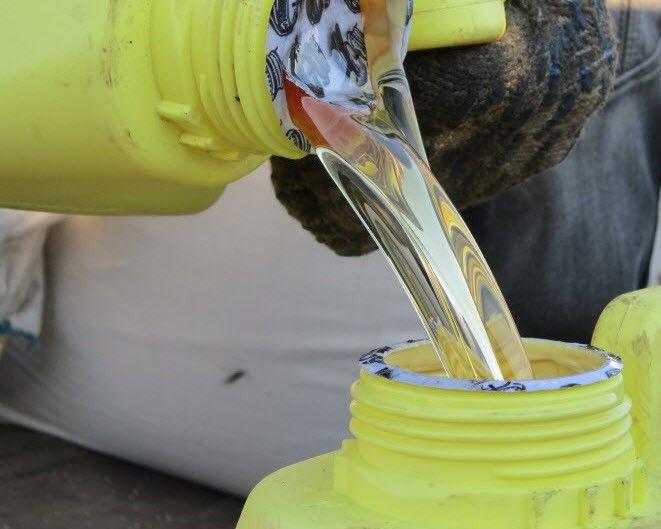
To prepare the stock solution, you can use glass or even plastic containers with a capacity of 0.5-2 liters (except zinc and iron). It's important not to use these containers for everyday use. It's also important to know the order in which to add the preparations. Use clean, soft water at room temperature to prepare the solution. Water that's too cold reduces the solubility of the preparations.
The order of adding pesticides:
- Water-soluble packets - added first to ensure that the polymers and contents of the packet dissolve well in water;
- dry water-dispersible granules and wettable powders are dissolved first, while there are no oils in the mixture;
- water-suspension concentrates - added after dissolving powders and granules;
- oil-based preparations - dissolve after adding powders and granules (if the mixture contains fertilizers, the solution may “curdle”);
- Surfactants are added after oil-containing substances and before water-soluble ones, so that the oil does not bind with other components;
- water or water-soluble concentrates are dissolved last, as they have good solubility;
- Liquid fertilizers are added at the very end.

What is acceptable to mix and what is not?
When preparing a solution for treating crops, it's important to remember that mixing different preparations creates a unique mixture. The result can be anything.
It is prohibited to mix:
- oil substances with boron-based fertilizers;
- sulfur and phosphorus with calcium supplements;
- calcium with substances based on zinc, iron, magnesium, manganese;
- complex liquid preparations with a multi-component composition;
- several different types of growth regulators;
- sulfur-based fungicides with oil-based preparations;
- insecticides and fungicides with calcium-based fertilizers;
- with Bordeaux mixture any protective agents and fertilizers (except sulfur-based fungicides);
- organophosphorus preparations with alkalis;
- substances with acidic and alkaline reactions.
Safety precautions when using tank mixtures
When using a solution containing several chemicals to treat crops, it's essential to adhere to safety precautions. This applies both to reducing risks to crops and to humans. Even a properly prepared mixture can pose a risk. Solutions have potential phytotoxicity, which manifests itself under certain conditions, such as excessive application or elevated air temperatures. The final results of crop spraying are influenced by factors such as environmental conditions, water softness, and the order in which the various components are mixed.
First of all, it's important to choose the right timing for applying the mixture. It's important that the solution contains products with the same application period, and that the application period coincides with the crops' development phase. It's also important to consider weather conditions and the phytosanitary condition of the crops.
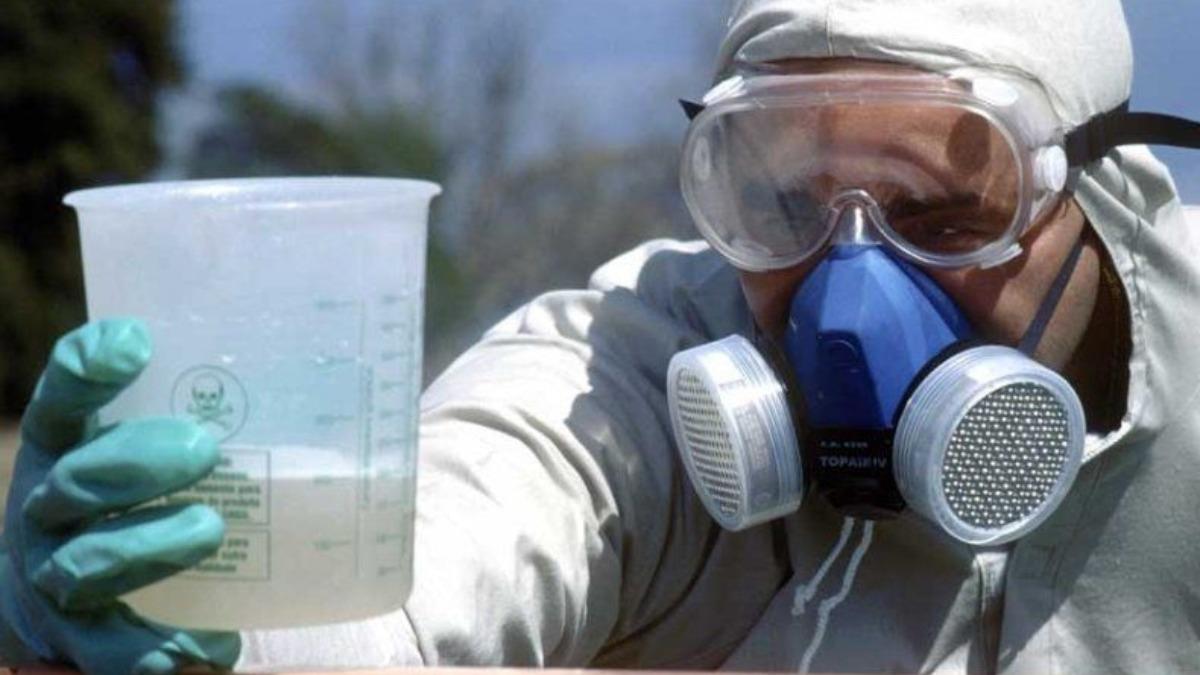
When preparing the mixture and treating your garden or vegetable patch, wear a protective suit, rubber gloves, a respirator, and boots. If the solution comes into contact with your skin, rinse the affected area thoroughly with water. Do not inhale the chemical mixture or ingest it. In case of poisoning, induce vomiting, take absorbents, and seek medical attention.
What is the best way to spray?
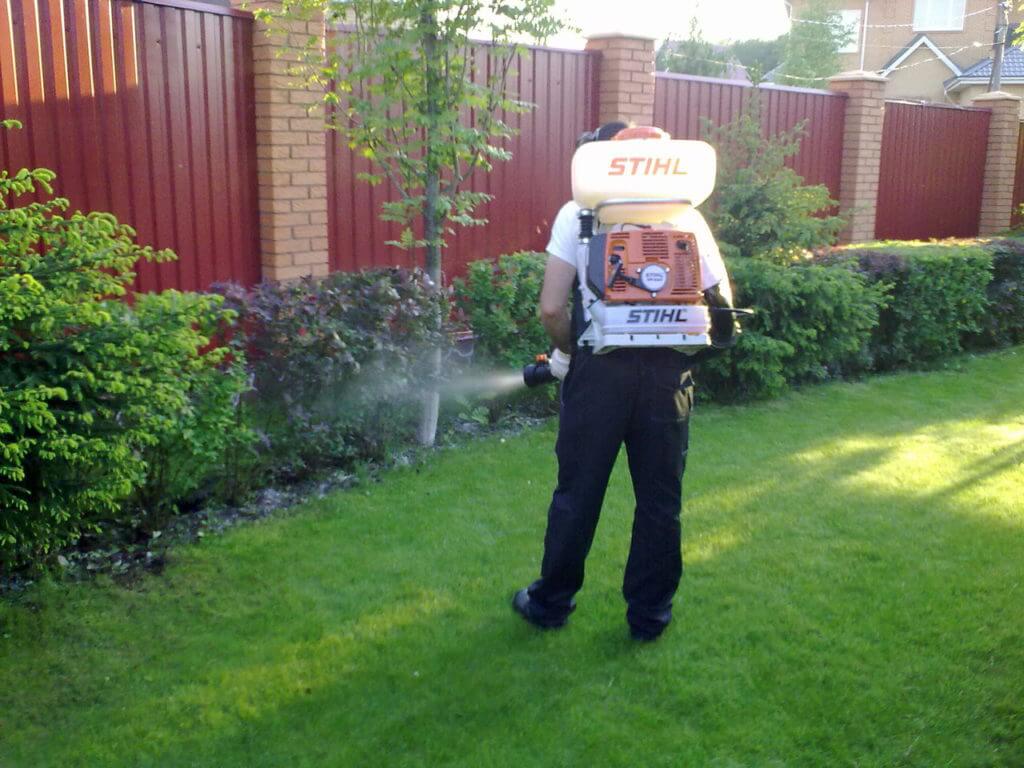
It's best to treat a garden or field in dry (not rainy) and windless weather. Spray crops early in the morning (after the dew has dried) or in the evening, but avoid hot weather or midday, when bees are most active. The final chemical treatment should be carried out 20 days before harvest.
Related posts:
 Types of garden fungicides and descriptions of the top 24 best, instructions for use
 Instructions for using the top 17 fungicides for tomatoes and their types
 The best eggplant varieties for growing in a polycarbonate greenhouse: planting and care
 Causes and treatment of eggplant pests and diseases, how to combat them at home
 List of the top 11 fungicides for indoor plants and product descriptions
 Types of fungicides for cucumbers in a greenhouse and instructions for use
 A list of the best fungicides for strawberries and wild strawberries and how they work
 Methods for planting and propagating cherries at home