
- General description of products for indoor plants
- Classification
- Depending on the effect on the pathogen
- Depending on chemical properties
- Depending on the nature of distribution within plant tissues
- Depending on the purpose of use
- Mechanism of action of the drugs
- How to use correctly
- List of the best products for indoor plants
- Bordeaux mixture
- Alirin
- Trichodermin
- Abiga
- Gamair
- Potassium permanganate
- "Agate"
- "Albite"
- Green soap
- Zineb
- Fitosporin
- Which remedy is preferable to choose?
Fungal infections are quite common. They can be associated with high soil or air humidity. To combat these problems, fungicides are used. They vary in composition and mode of action. The list of fungicides for indoor plants is constantly expanding, allowing every gardener to find an effective option.
General description of products for indoor plants
Antifungal agents help completely destroy colonies of pathogenic microorganisms. Fungicides can be used for both treatment and prevention. They help kill fungi that accumulate on plant tissue.
These agents also reduce the risk of crop infection by phytopathogens.
The principle of action of fungicidal preparations is based on suppressing the activity of fungi, preventing the appearance of spores, and creating conditions that are unfavorable for mycoses.
Classification
There are quite a lot of fungicides that differ in their mechanism of action and purposes of use.
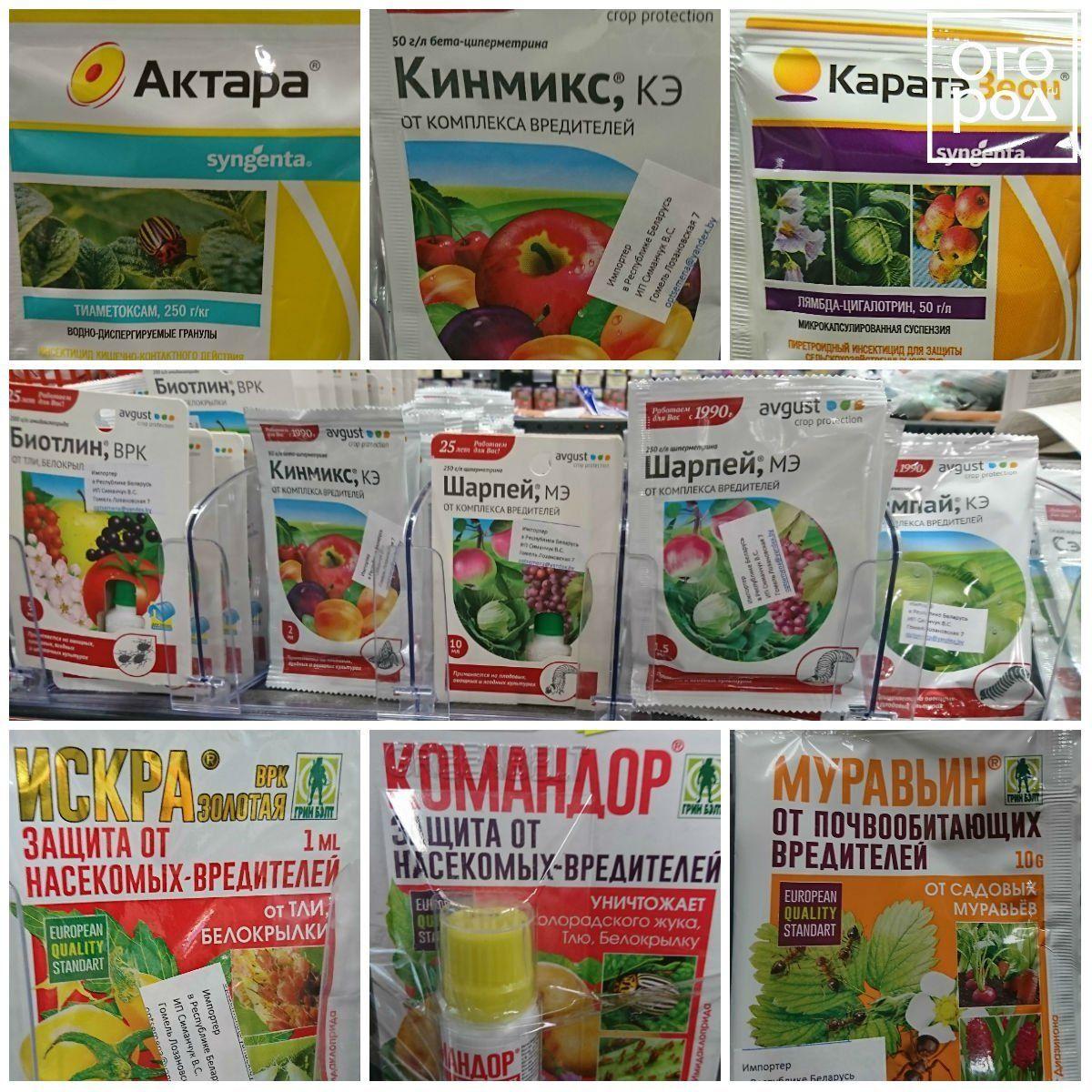
Depending on the effect on the pathogen
According to this criterion, substances are divided into the following groups:
- Protective – prevents infection of crops by fungi.
- Medicinal – help destroy fungi that have entered the tissue.
Depending on chemical properties
According to their chemical nature, fungicidal substances are divided into the following types:
- organic;
- inorganic.
The first category can refer to a variety of chemical elements. Heterocyclic compounds are the most common.
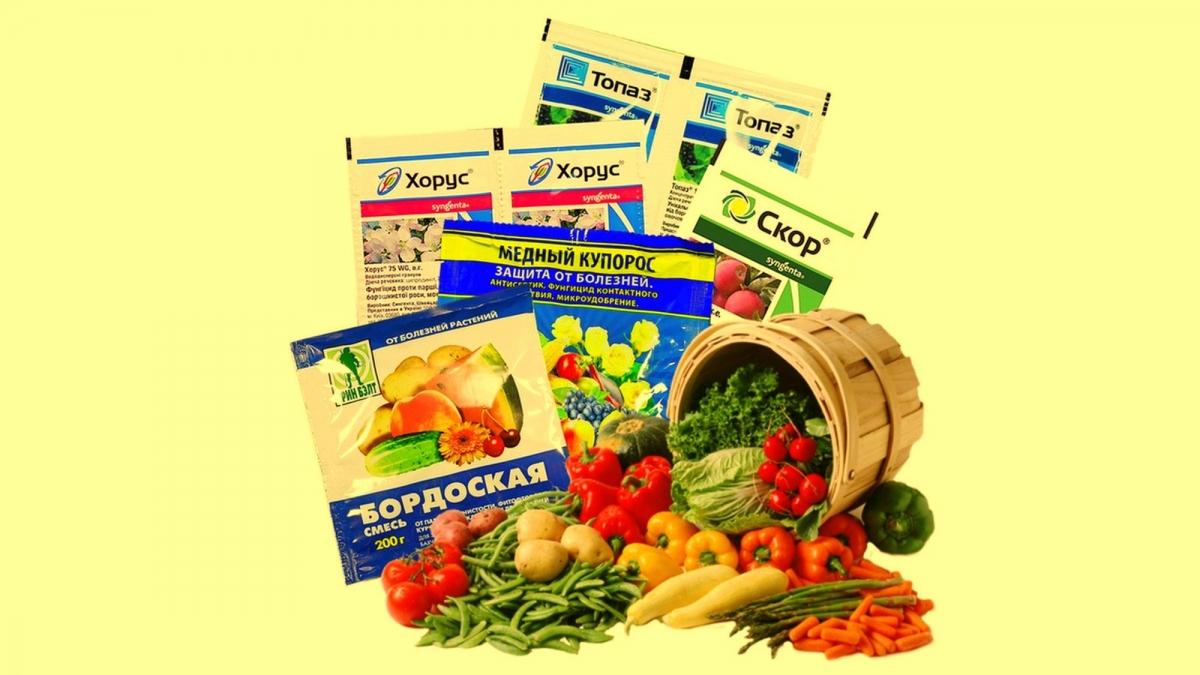
Inorganic agents include:
- copper-based products;
- sulfur preparations;
- mercury compounds.
Depending on the nature of distribution within plant tissues
According to this parameter, substances are divided into 2 groups:
- Contact pesticides remain on the surface of flowers after treatment. Upon contact with fungi, these substances cause their death.
- Systemic – penetrate the plant structure and are distributed throughout the vascular system. This suppresses pathogen activity.
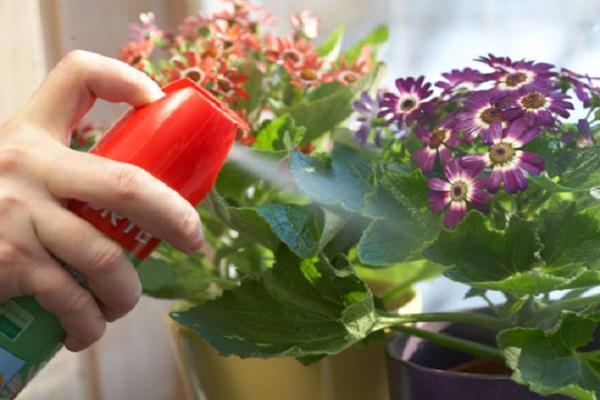
Depending on the purpose of use
Depending on the purpose of use, fungicides are of the following types:
- For soil treatment – they are introduced into the soil to disinfect it.
- For seed treatment, agents are used that help cope with diseases and infections.
- For spraying crops during the growing season, these mainly include fungicidal preparations with a protective effect.
Mechanism of action of the drugs
Fungicides differ in their mechanism of action. These chemicals disrupt respiration, inhibit nuclear division in fungal cells, and stimulate the formation of metabolic products in plants. These agents also suppress pathogen toxins and block ergosterol synthesis in fungal cells.
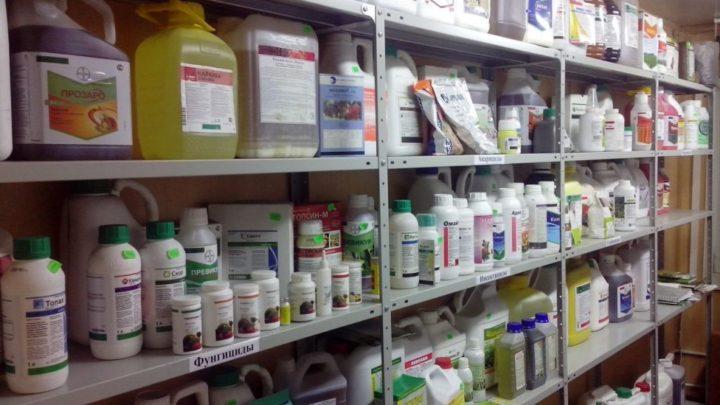
Biological fungicides penetrate the structure of plants, providing immunity. They can also release toxic substances that inhibit pathogen activity.
How to use correctly
To achieve the desired effect, it is worth following these rules for using fungicides:
- Follow the instructions carefully. Use a pipette or measuring spoon to prepare the working solution.
- Follow safety precautions. This helps protect against the harmful effects of fungicides.
- Reapply according to the manufacturer's instructions. Many substances have extended-release properties that last for two weeks or more.
List of the best products for indoor plants
Today, there are many effective products available on the market that help combat fungi.
Bordeaux mixture
This substance helps destroy fungal infections. It has the following benefits:
- quick effect;
- long period of protection;
- versatility.
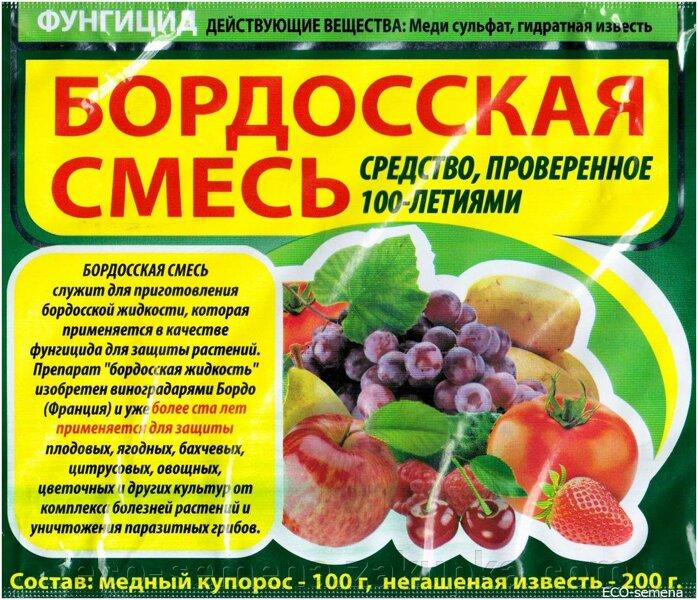
However, the substance also has a number of disadvantages:
- risk of copper accumulation in the soil;
- need for careful processing;
- toxicity to humans.
To make a solution, mix 100 grams of calcium oxide, 50 grams of copper sulfate, and 2 liters of water. Then strain through cheesecloth. Spray the affected areas of the crop with the resulting solution.
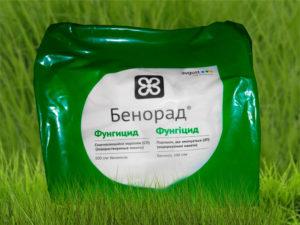
Alirin
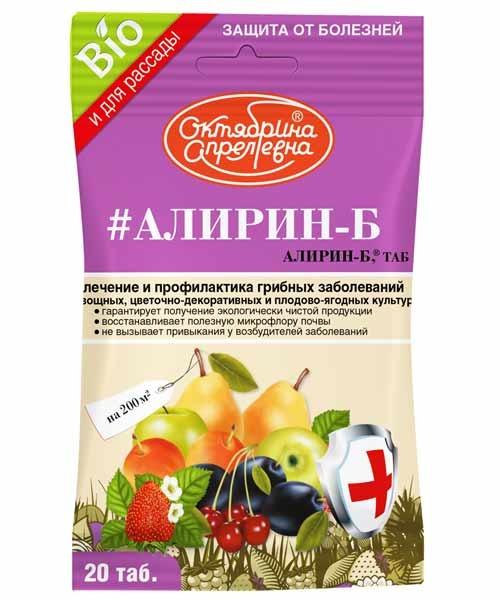
The product has the following advantages:
- belonging to biological agents;
- effective destruction of fungi and bacteria;
- tablet form of release.
However, the composition also has its disadvantages:
- the need to strictly adhere to the dosage when preparing the solution;
- the need to comply with safety rules.
To spray plants, mix 1 liter of water with 2 tablets of the product. For severe infestations, repeat the treatment after 1 week.
Trichodermin
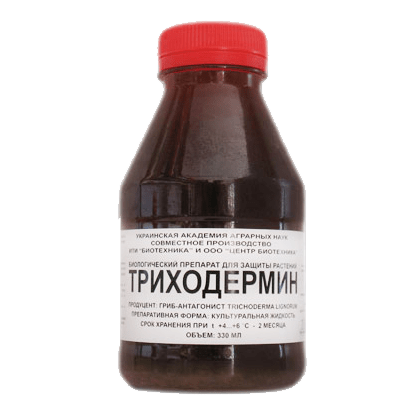
The product has the following advantages:
- effective against 70 types of fungi;
- rapid onset of action;
- no harmful effects on the cultivated plant.
However, there are also disadvantages:
- the need to adhere to the dosage;
- high price.
To make a working solution, mix 10 grams of the product with 1 liter of water. The resulting solution can be used to water the potted soil.
Abiga
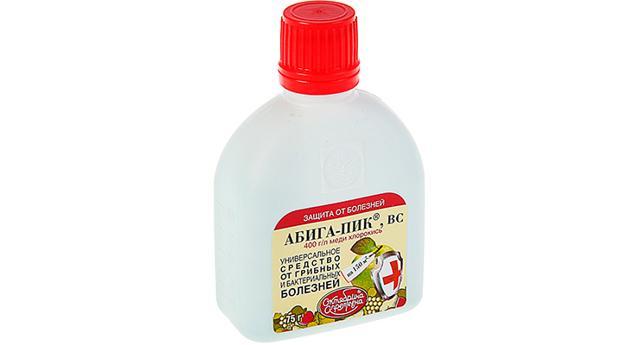
The advantages of the drug include:
- broad spectrum of action;
- lack of resistance;
- ease of preparation of the working solution.
However, the product also has its disadvantages:
- need for several treatments;
- the need to adhere to the dosage.
To make a working solution, mix 5 milliliters of the product with 1 liter of water. A total of 3-4 applications should be performed at 10-day intervals.
Gamair
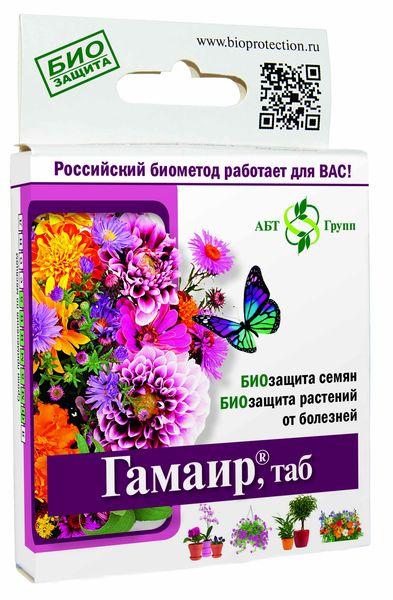
This drug has the following properties:
- treatment and prevention of many fungal infections;
- different forms of release;
- ease of use.
The disadvantages of the substance include:
- high price;
- the need to adhere to the dosage.
To make a useful solution, it is recommended to take 5 grams of the substance and mix it with 2 liters of cool water.
Potassium permanganate
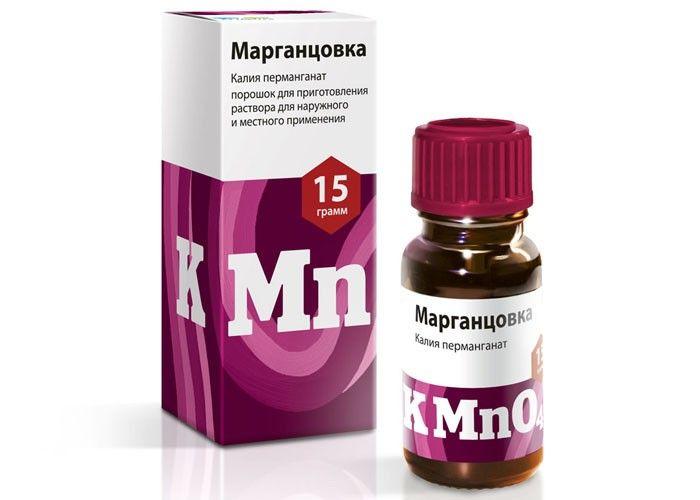
The advantages of the substance include:
- soil disinfection;
- effectiveness in fighting fungi;
- prevention of deficiency of many microelements in the soil structure.
The composition also has a number of disadvantages:
- risk of burns if instructions are not followed;
- low efficiency when the dosage is reduced.
To make a working solution, take a small amount of potassium permanganate and mix it with room-temperature water. The result should be a light pink solution.
"Agate"
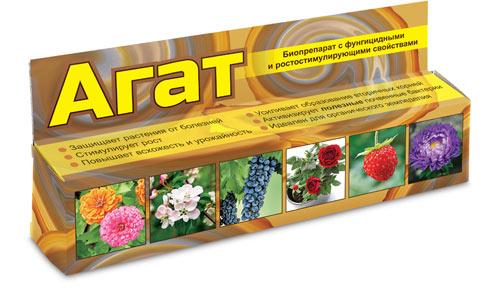
This product has the following advantages:
- multisystem action;
- strengthening plant immunity;
- safety for people and animals;
- compatibility with other means.
However, the drug also has its disadvantages:
- high price;
- the need to adhere to the dosage.
To make a beneficial mixture, use 3 grams of the product per 10 liters of water. Plants should be treated twice a month.
"Albite"
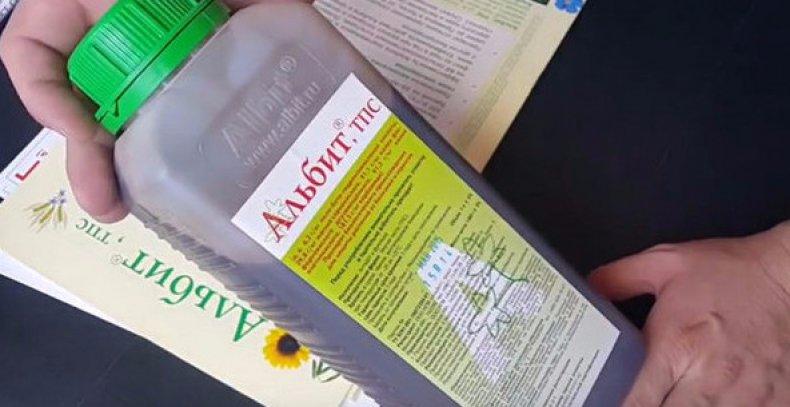
This product has the following advantages:
- pronounced fungicidal effect;
- stimulation of plant growth;
- broad spectrum of action;
- safety for people.
The product also has its disadvantages:
- the need to follow instructions;
- high price.
To make a working solution, use 1-2 milliliters of the product per 10 liters of water. Use the prepared solution for irrigation.
Green soap
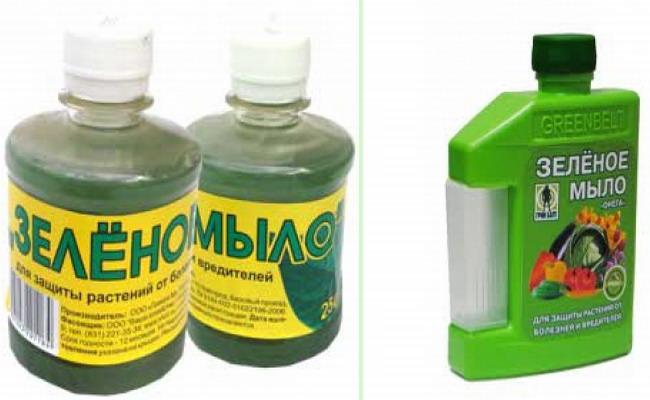
This substance has the following benefits:
- ease of solution preparation;
- pronounced antifungal properties;
- wide spectrum of action.
However, the composition also has its disadvantages:
- low efficiency if used incorrectly;
- short period of protection.
To make a working solution, mix 25 grams of green soap with 1 liter of water. This solution can be combined with various insecticides.
Zineb
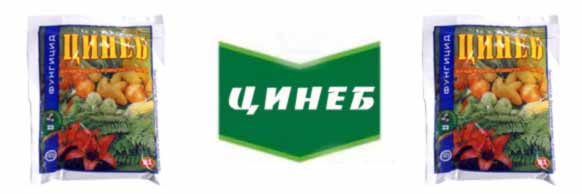
This composition has the following advantages:
- wide range of application;
- systemic and contact action on parasites;
- different forms of release.
However, the composition also has its disadvantages:
- the need to adhere to the dosage;
- toxic effect;
- short period of protection.
The product is suitable for treating above-ground elements. It combines well with organochlorine and organophosphorus agents. However, it should not be combined with Bordeaux mixture.
Fitosporin
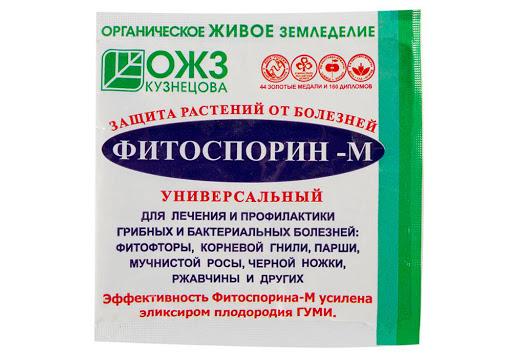
This systemic remedy has the following advantages:
- biological origin;
- wide range of uses;
- safety for people and animals.
However, the substance also has its disadvantages:
- the need to follow instructions;
- high cost.
To treat fungal infections, mix half a small spoon of the mixture with 1 liter of water.
Which remedy is preferable to choose?
To choose the right fungicide, consider the following:
- purposes of use – prevention or treatment;
- impact area;
- phytotoxicity level;
- degree of plant damage.
Fungicides are considered effective in controlling fungi. To ensure these products are effective, it's important to follow the instructions carefully.
Related posts:
 Types of garden fungicides and descriptions of the top 24 best, instructions for use
 Nitrophoska composition and instructions for use of fertilizer, errors
 Top 40 DIY New Year's Baking Recipes for 2020
 The best eggplant varieties for growing in a polycarbonate greenhouse: planting and care
 Methods for planting and propagating cherries at home
 The best grape varieties for growing in the Urals, planting and care rules in summer
 How to use and prepare manure as a fertilizer, its types and composition
 Descriptions of the 20 best cherry varieties for the Moscow region, their planting and care