- Composition and existing forms of release
- Pros and cons
- How and on what plants does it work?
- How quickly does it work and how long does the effect last?
- Calculation of consumption for different pests and diseases
- How to prepare a working solution
- Instructions for use
- Safety precautions
- What to do in case of poisoning
- Phytotoxicity
- Possible compatibility
- Storage rules
- Similar means
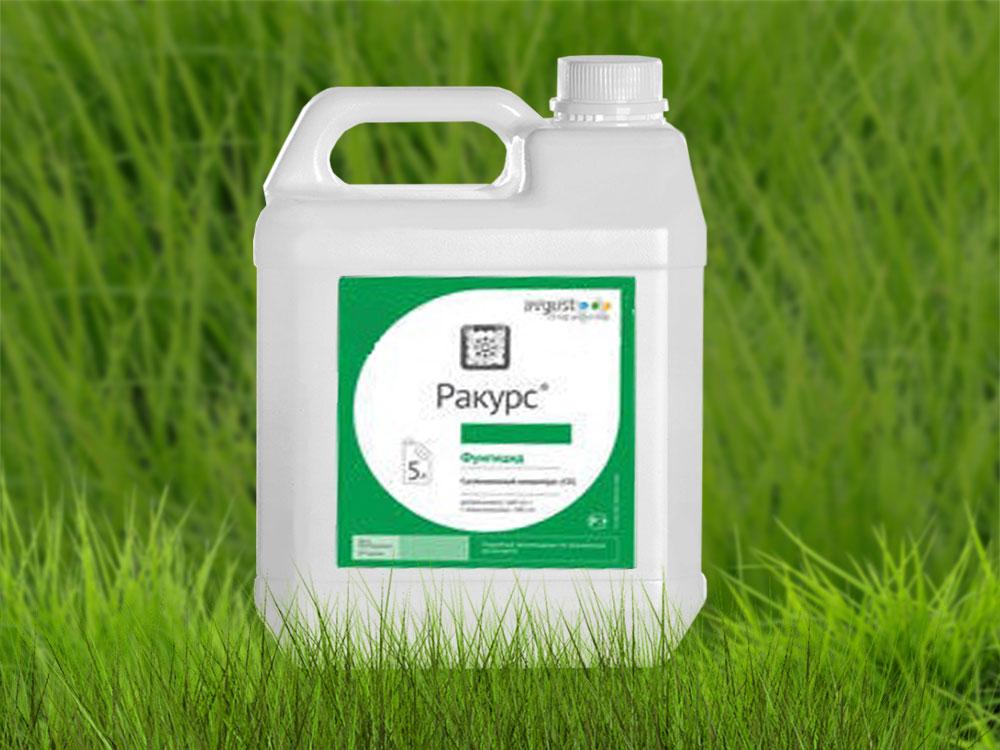
Without fungicides, it's difficult to grow a bountiful harvest and maintain healthy plants. This is especially true for farmers who grow crops for sale and treat several hectares of fields. The fungicide "Rakurs" effectively combats diseases of cereal crops and soybeans thanks to its two-component composition. To achieve the desired results, it's essential to follow the instructions and dosage.
Composition and existing forms of release
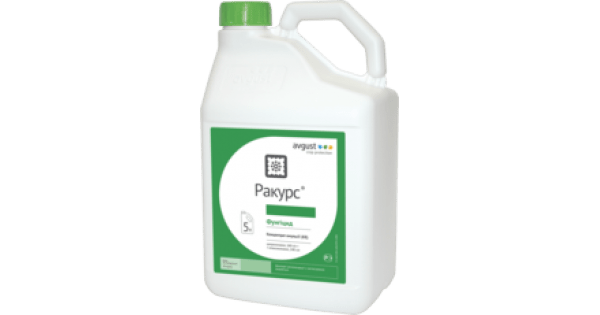
The "Rakurs" fungicide contains two active ingredients responsible for disease control: epoxiconazole, which is present at 240 grams per liter of the fungicide, and cyproconazole, which is present at 160 grams per liter. In addition to the active ingredients, the chemical contains auxiliary polymer components that promote good adhesion to the crop surface and rapid penetration into its tissues.
The first active ingredient is a broad-spectrum systemic fungicide and has both therapeutic and preventative effects on crops. The second active ingredient, a triazole, protects and treats plants from fungal diseases and also inhibits the spread of microorganisms throughout the crop tissue.
Pros and cons
Using Rakurs in their fields, farmers have identified several advantages of the fungicide.
The only drawbacks of the product are the need for protective clothing and the impossibility of using Rakurs in sanitary zones of fishery waters.
How and on what plants does it work?
The fungicide "Raskurs" is purchased for treating wheat, barley, and soybean fields. It effectively combats the following grain crop diseases:
- Cercospora leaf spot;
- Ascochytosis;
- septoria;
- Alternaria;
- anthracnose;
- powdery mildew;
- brown, stem and yellow rust;
- dark brown spot;
- Rhynchosporium.

Thanks to its two-component composition, the product exerts enhanced action against pathogens, penetrating into crop tissue and inhibiting ergosterol. This disrupts the formation of cell membranes in the mycelium of pathogenic fungi. It also prevents spore formation and inhibits fungal growth on leaf blades and within tissues.
How quickly does it work and how long does the effect last?
Within two hours of spraying, the active ingredients of "Rakurs" penetrate plant tissue and begin their work of destroying pathogenic microorganisms. The effect of this systemic fungicide lasts for a month after treatment.
Calculation of consumption for different pests and diseases
In order for the components of a chemical agent to act on pathogens, it is necessary to correctly calculate the dose.
Standards for different plants are presented in the table.
| Culture | Diseases | Fungicide rate | Terms of application |
| Winter rye | Rhynchosporiosis, rust, powdery mildew | 300-400 ml per hectare of field | The entire growing season |
| Winter and spring wheat | All types of rust and powdery mildew, dark brown spot and septosporium | From 200 to 300 ml per hectare of plantings | At the end of tillering |
| Soybeans | Cercospora leaf spot and anthracnose, septoria leaf spot and alternaria leaf spot | 200 ml per hectare of plantings | The entire growing season |
| Winter and spring barley | Rhynchosporiosis, dwarf rust and powdery mildew | From 300 to 400 ml per hectare of field | Flag leaf emergence period |
How to prepare a working solution
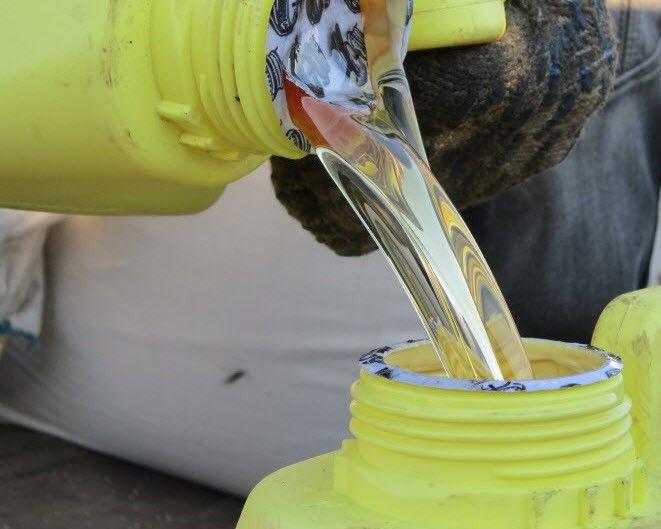
Prepare the spray solution immediately before use, as fungicide lost its effectiveness if left unused for a long time. Fill the sprayer halfway with water, shake the canister, and measure out the required amount of solution. Pour it into the sprayer and turn on the mixer. Once the solution has a uniform consistency, add water to fill it up and mix again.
Instructions for use
Plant treatments begin throughout the growing season at the first signs of disease development. Spraying is also used for preventative purposes. No more than two treatments are permitted per season. Choose a dry, clear day with minimal wind speed for the treatments.
Safety precautions
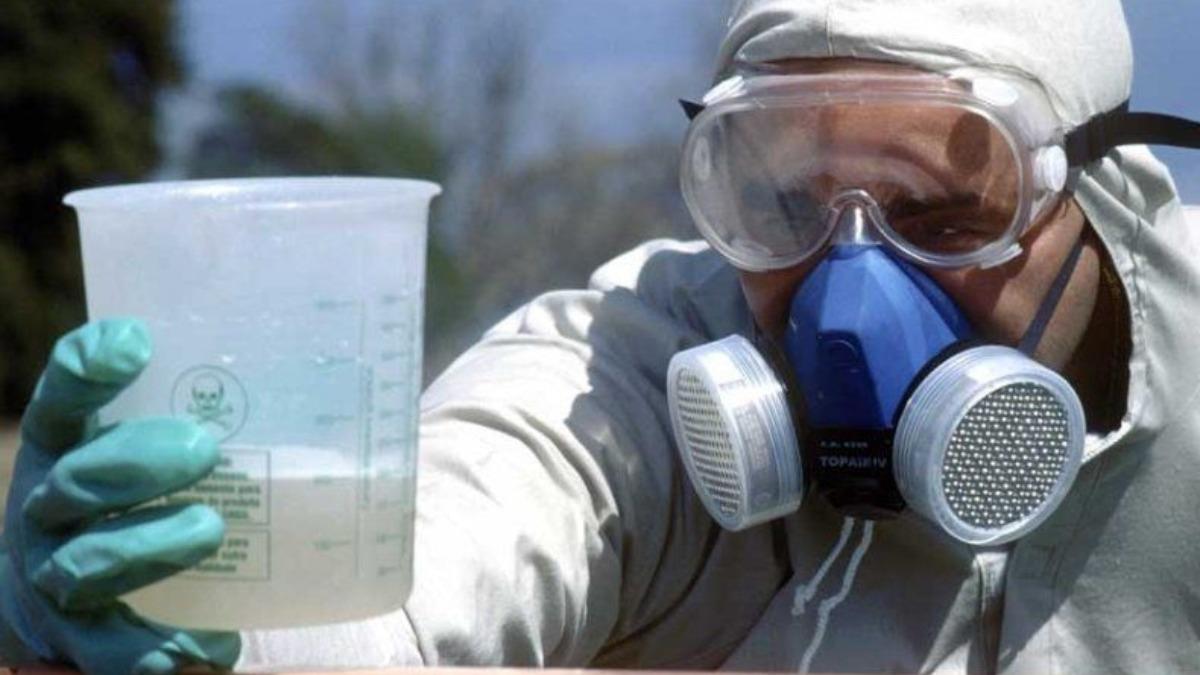
The fungicide "Raskurs" belongs to toxicity class 3 and is moderately hazardous to humans and animals. Basic safety precautions must be observed when handling the chemical. Anyone performing the treatment must wear protective clothing and a respirator to prevent inhalation of product particles.
What to do in case of poisoning
In case of accidental poisoning with a fungicide, rinse your mouth with plenty of water, drink activated charcoal and seek medical attention.
Phytotoxicity
When the instructions for use and recommended dosage are followed, the preparation does not exhibit phytotoxicity on the treated plants.
Possible compatibility
The fungicide "Raskurs" is approved for use in tank mixes with other chemicals. The only exceptions are highly acidic and highly alkaline products.
Storage rules
Store the fungicide in a utility room, away from children and pets. Keep the room at a temperature of 20 to 30 degrees Celsius, with low humidity and out of direct sunlight.
Similar means
If "Rakurs" is not available for sale, it is replaced with the drug "Jack Pot" or "Carbezim".
Related posts:
 Types of garden fungicides and descriptions of the top 24 best, instructions for use
 Instructions for use and composition of the fungicide Teldor, application rates
 Instructions for use and composition of the fungicide Raek, application rates and analogues
 Composition and instructions for use of the fungicide Penncozeb, application rates
 Instructions for use and composition of the fungicide Metaxil, application rates
 List of the top 16 fungicides for grapes and instructions for their use
 Instructions for use and composition of the fungicide Fital, application rates and analogues
 Instructions for use and composition of the fungicide Fitosporin-M, application rates