
To ensure bountiful harvests, farmers and gardeners use fungicides to protect crops from fungal diseases. These not only treat diseased crops but also act as preventative measures. One effective fungicide is Penncozeb, which prevents pathogenic microorganisms from penetrating plant tissue by forming a protective film on the leaves.
Composition, existing forms of release and purpose
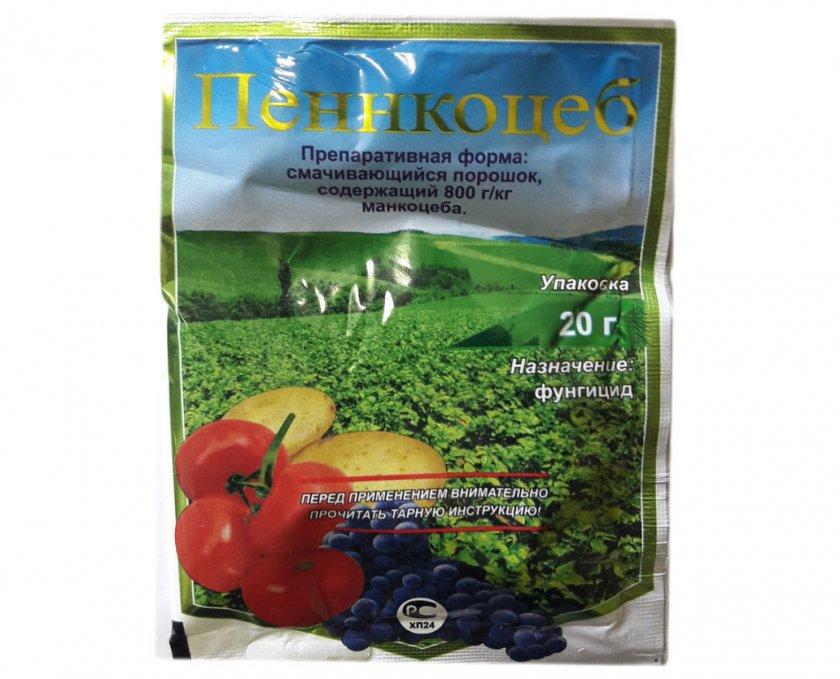
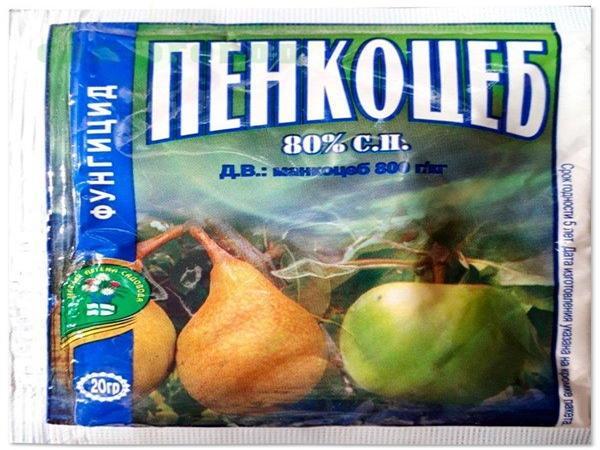
Penncozeb is a broad-spectrum contact fungicide. Its effectiveness against fungal pathogens is due to its single active ingredient, mancozeb. One kilogram of the product contains 800 grams of mancozeb. The fungicide is available as a wettable powder, packaged in 5 and 10 kg paper bags. It is also available in single-use 20-gram bags, making it convenient for owners of small gardens.
Pennkozeb is used by both farmers and gardeners to treat and prevent fungal diseases of crops such as tomatoes, potatoes, grapes, and apple trees.
Mode of action
The fungicide Penncozeb works by disrupting the growth of the fungal pathogen's cell wall and inhibiting enzymatic activity. The protective layer formed on the plant surface after treatment prevents microorganisms from penetrating the plant tissue.
Pros and cons
Like every chemical plant protection product, Penncozeb has its strengths and weaknesses.
The advantages of using a contact fungicide include:
- Possibility of using the chemical throughout the entire period of active vegetation of cultivated plants.
- Good adhesion to leaves, creating an impermeable film.
- The drug can be used to treat various plants, including apple orchards.
- Good solubility of powder in water.
- The presence of manganese and zinc, which additionally nourish the root system of crops.
- Increased yield after treatment with Pennkozeb.
- Possibility of combining contact fungicide with other chemicals in tank mixtures.
- No addiction.
- Safe for birds, bees and fish.
Gardeners note the following disadvantages of Pennkozeb:
- Can only be used at the first signs of fungal diseases; it does not treat advanced forms.
- Reduced effectiveness during natural precipitation, as the solution is washed off the plant leaves.
Calculation of consumption
Before you begin treating plants, you need to learn how to correctly calculate the required dosage of the preparation to achieve the expected result.
| Cultivated plant | Norm of the drug | Pathogen | Number of treatments |
| Grape | From 2 to 3 kg per hectare of plantation | Mildew | 4 times per season |
| Tomatoes, potatoes, apple trees | From 1200 to 1600 grams per hectare of plantings | Alternaria and late blight, fruit rot and scab | Three times per season |
How to prepare a working mixture
To prepare a working solution suitable for treating plants, take a 10-liter plastic container and fill it halfway with water. Add the required amount of fungicide and mix thoroughly with a wooden stick. Then top up to full capacity and pour the resulting solution into a spray bottle.
Instructions for use
When spraying crops, follow the instructions for use to eliminate fungal microorganisms and avoid harming vegetables and fruits. Plants should be sprayed in dry weather, with the maximum air temperature not exceeding 30 degrees Celsius. Also, avoid spraying in windy conditions to prevent droplets from falling on neighboring crops. After spraying, workers can return to the fields after a week; mechanical work is permitted after three days.

Precautionary measures
Before starting work, prepare protective clothing—this could be a gown or coveralls, a cap or headscarf, and gloves are mandatory. Although the fungicide is not considered a particularly hazardous substance, it is still advisable to avoid contact with skin and mucous membranes. If this occurs, flush eyes and skin with copious amounts of water and seek medical attention.
After spraying is complete, all work clothes are washed, and the gardener must take a shower.
Possible danger
Pennkozeb is of low risk to bees and aquatic life, but its toxicity to humans is classified as Class II. Therefore, when working with this contact fungicide, it is essential to take precautions and always cover all areas of the body.
Degree of phytotoxicity
No cases of phytotoxicity have been reported during the entire period of use of the contact fungicide Penncozeb. It is important to adhere to the recommended application rates when using the product.
Is there compatibility?
The only things that contact fungicides cannot be used with are highly alkaline and highly acidic products. Penncozeb combines well with other chemical plant protection products in tank mixes.
Storage conditions
The shelf life of the chemical product is 2 years from the date of manufacture, provided the packaging is sealed, so it is better to purchase small quantities of the fungicide for private households.
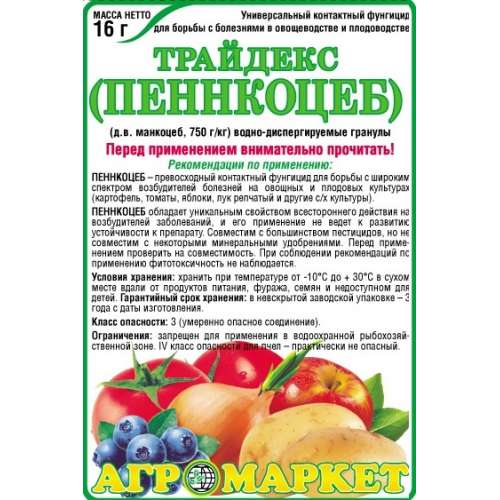
When storing Penncozeb, adhere to the following rules:
- Keep fungicide out of reach of children and pets.
- Temperature range: from 15 to 30 degrees Celsius.
- No direct sunlight.
- Low air humidity.
Similar drugs
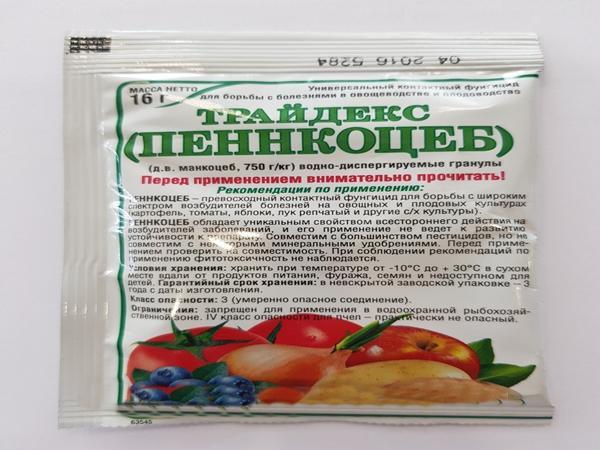
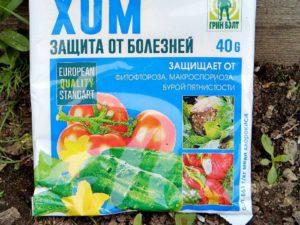
If necessary, the contact fungicide can be replaced with the following preparations: Ditan M-45, Nertus, Fontes or Tridex.
Related posts:
 The best eggplant varieties for growing in a polycarbonate greenhouse: planting and care
 Nitrophoska composition and instructions for use of fertilizer, errors
 Instructions for use of the fungicide Topaz for plants, composition and analogues
 Instructions for use and composition of the fungicide Discor, application rates and analogues
 Instructions for use and composition of the fungicide Fitosporin-M, application rates
 Instructions for use of Gliocladin and the composition of the fungicide, application rates
 Instructions for using Falcon fungicide for treating grapes
 Types of garden fungicides and descriptions of the top 24 best, instructions for use