
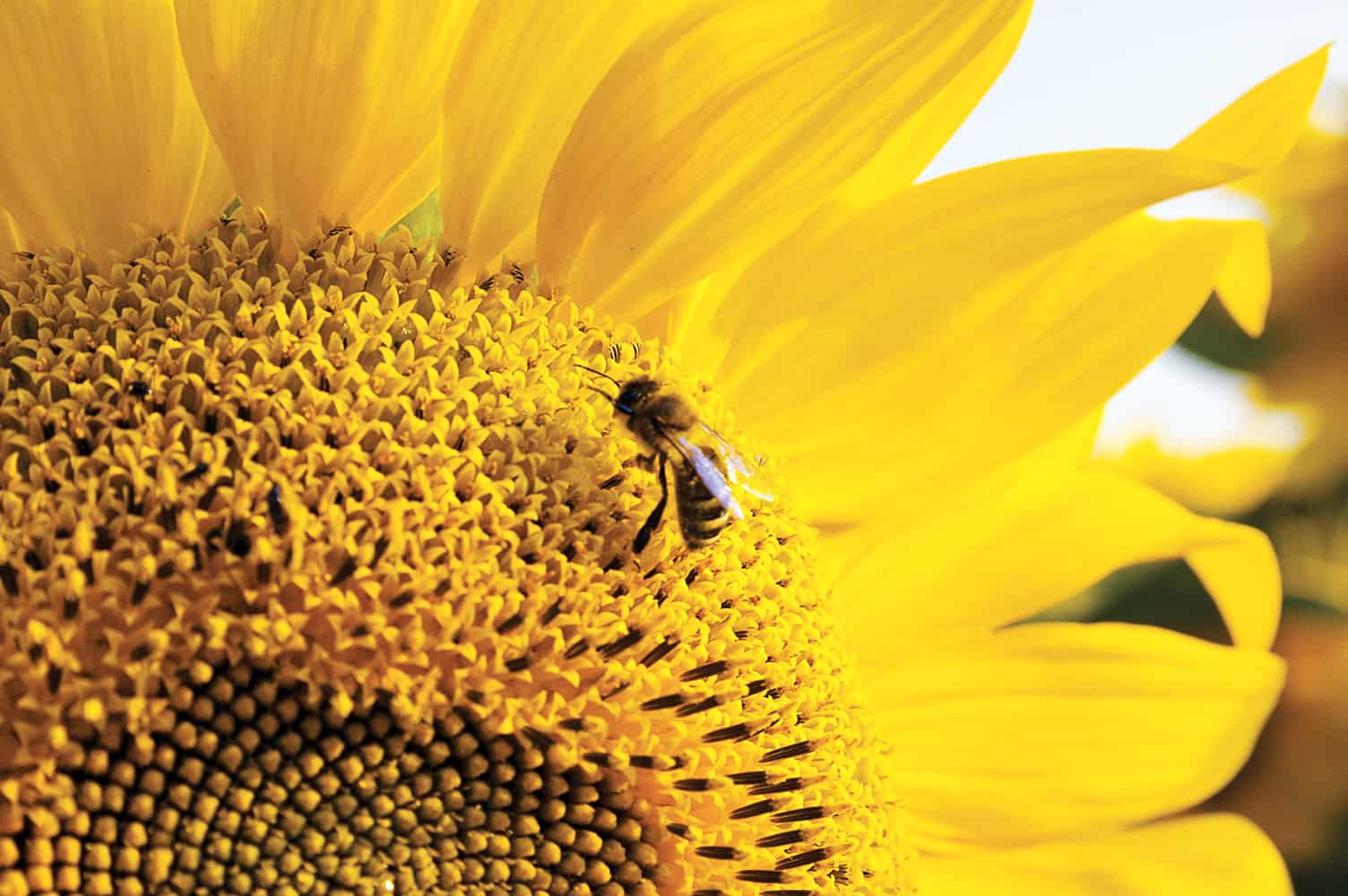
Growing sunflowers always involves managing weeds, which interfere with plant growth in the early stages. Let's look at a list of sunflower herbicides, their types, and descriptions of common products. Which product should you choose for weed control? How to apply herbicides according to instructions.
Types of herbicides
Herbicides used on sunflowers are divided into two groups based on application time: pre-emergence and post-emergence. The crop is most vulnerable during the emergence of seedlings, as weeds emerge at the same time, robbing the plants of nutrients and moisture, blocking sunlight, and inhibiting their development.
Post-emergence
The advantage of herbicides in this group is that they allow you to identify weed species and numbers when they appear, allowing you to select the appropriate product for each situation. Herbicide treatments can be combined with sunflower fertilizers, growth stimulants, and pest and disease control products. When applying agricultural products, it's important to consider the crop's resistance to the active ingredient, the weed's development stage, and weather conditions, and adhere to application rates.
Pre-emergence
Pre-emergent or soil-applied herbicides form a protective layer or screen that prevents weed germination. They are applied once and have a long-lasting effect (1-3 months). They are applied before and after sowing sunflower seeds, but always before emergence. Soil-applied herbicides disrupt metabolic processes in weed cells, causing their death. The effectiveness of these agents depends on soil type, its moisture content, structural properties, and air temperature. After applying pre-emergent herbicides, the soil should not be loosened to prevent the protective layer from being removed and the effectiveness of the herbicides diminished.

Review of popular sunflower products
Today, a wide range of products can be used on this crop in agriculture. They contain different active ingredients in varying concentrations, allowing them to target many types of weeds.
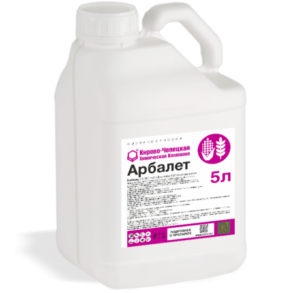
Target Hyper
Contains quizalofop-P-ethyl. It controls annual and perennial grass weeds, their aerial parts, and roots. It can be applied over a wide range of timeframes and combined with herbicides against bipartite weeds. It has a low consumption rate.
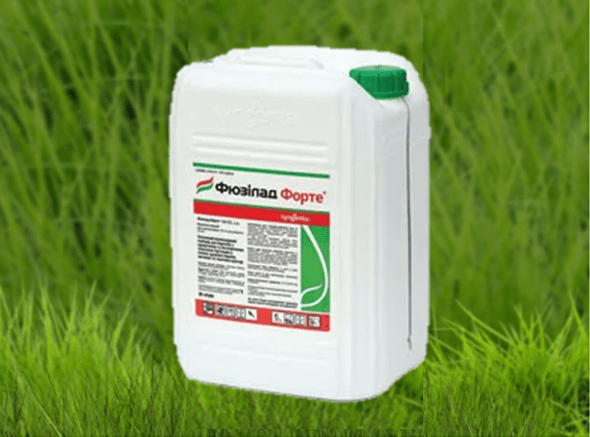
Fusilade Forte
Contains fluazifop-P-butyl. Effective against annual and perennial species, it is fast-acting, requires low application rates, and is non-toxic to future crops.
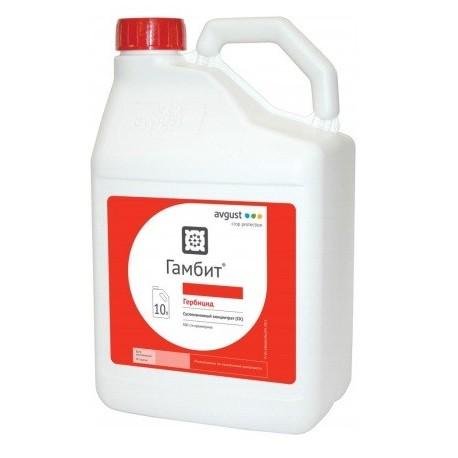
"Gambit"
Contains prometryn. It is used against first-year weeds. It has a rapid effect, long-lasting protection, is crop-selective, non-toxic to subsequent crops, and is easy to use.
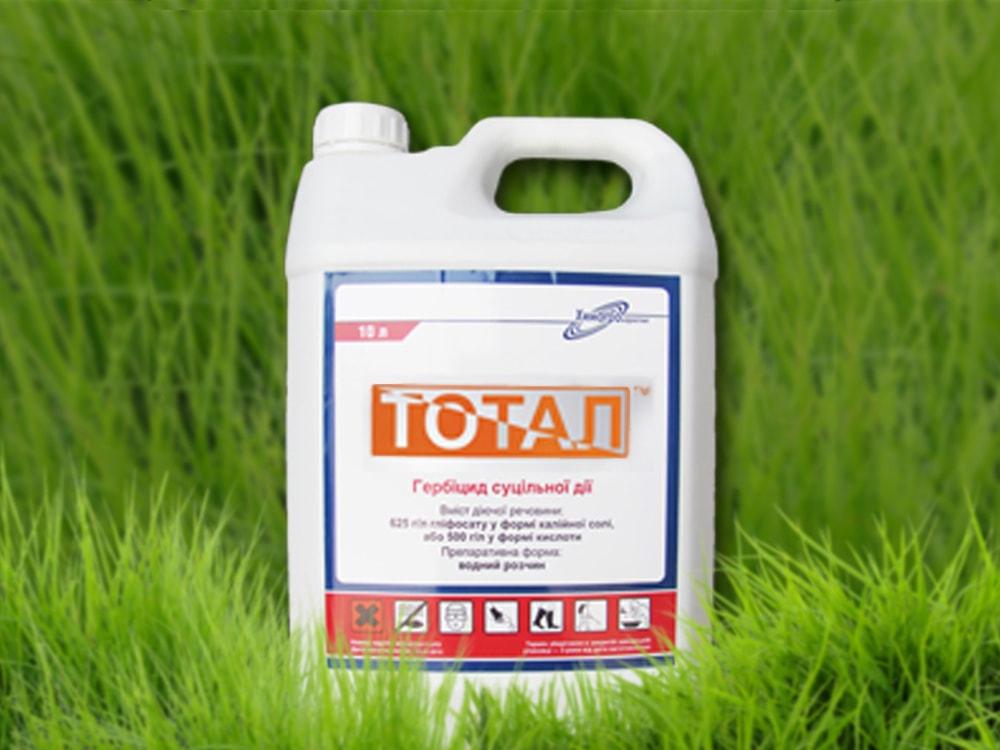
Total 360
Contains glyphosate at a concentration of 360 g per liter. It controls annual and perennial weeds, including noxious ones. Its effectiveness lasts for 1-1.5 weeks, but it remains effective until the end of the growing season.
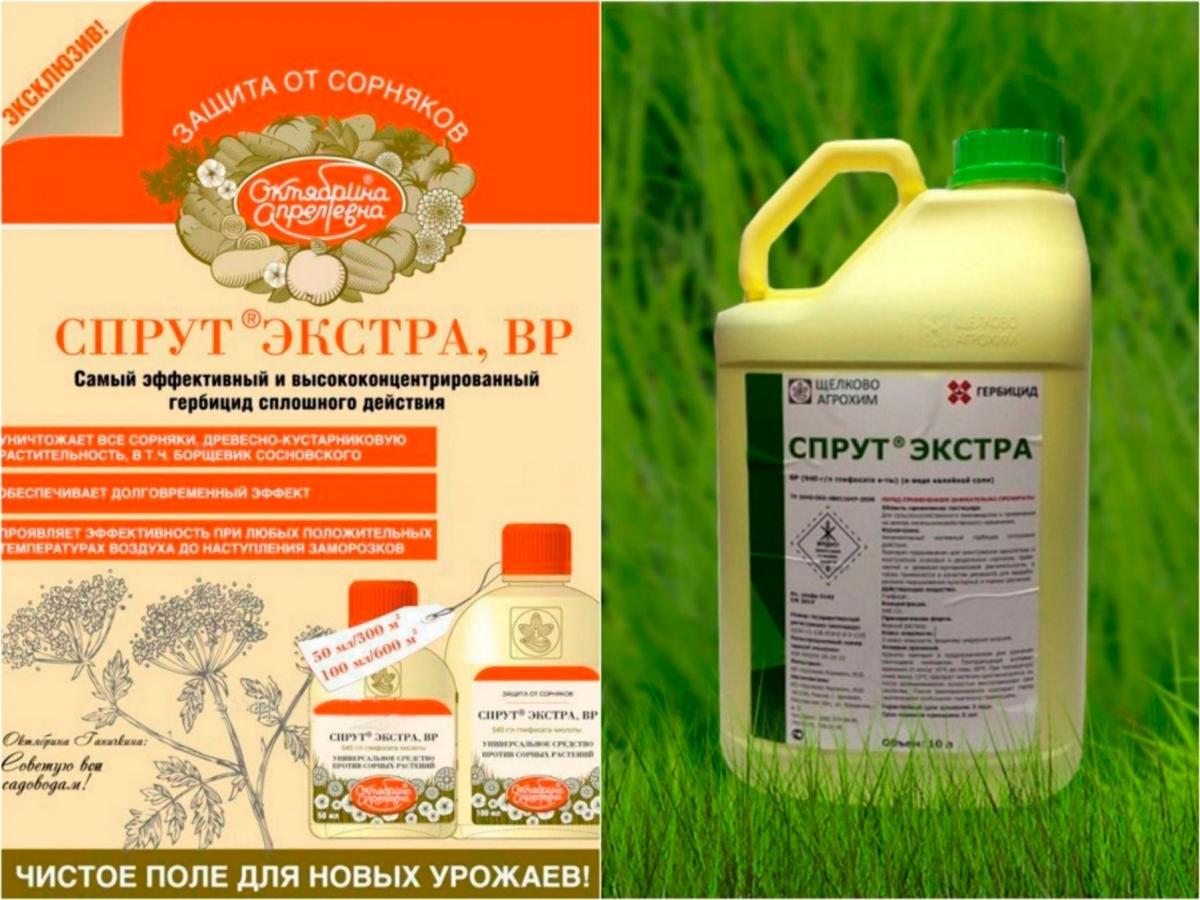
Sprut Extra
Contains glyphosate, and has been shown to be the most effective herbicide among products containing this substance. Its high glyphosate concentration allows for low application rates. It does not affect the soil, and there are no negative consequences for future crops. It is used when growing plants using energy-saving soil-protection technologies.
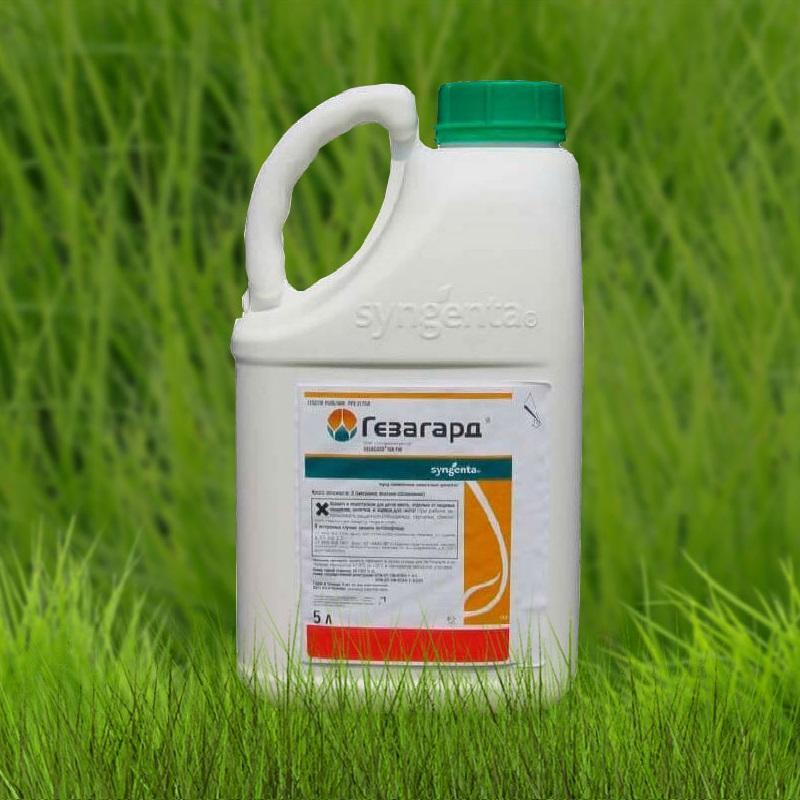
Gezagard
Contains prometryn. Considered a basic herbicide for vegetable and industrial crops, it controls many weeds on sunflowers, including those that are difficult to eradicate. It has no adverse effects on subsequent crops and can be applied over a wide range of periods. It is economical to use and effective throughout the entire season.
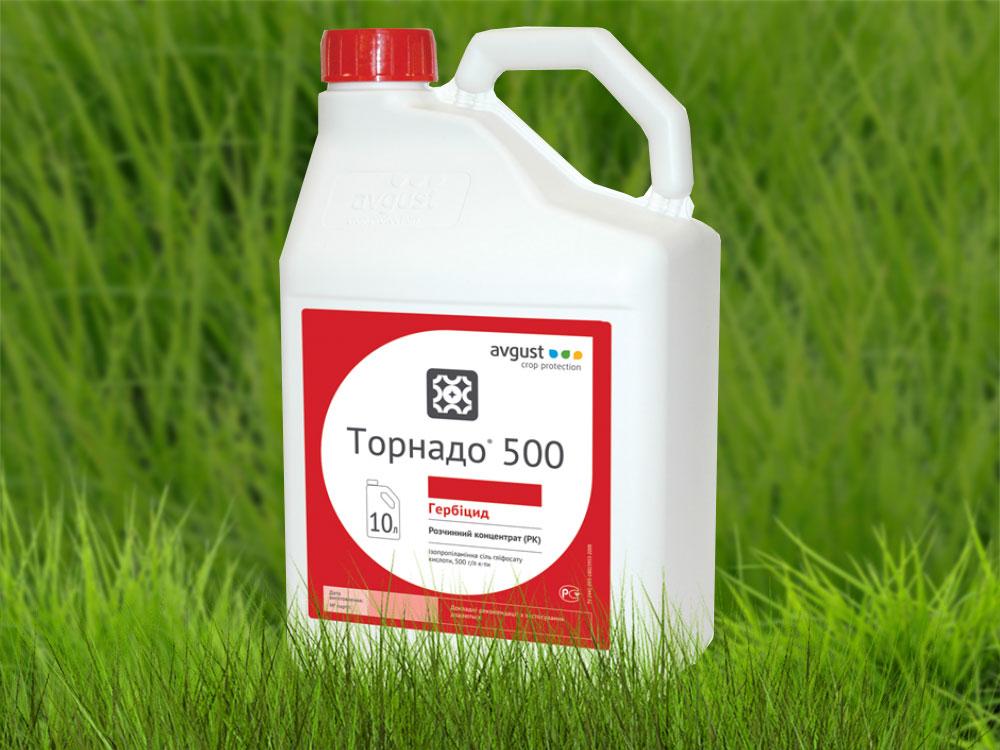
Tornado-500
Contains glyphosate at a concentration of 500 g per liter. This concentration allows for lower application rates and kills not only most weeds but also shrubs and trees. It does not affect crop rotation.
Take a look Also
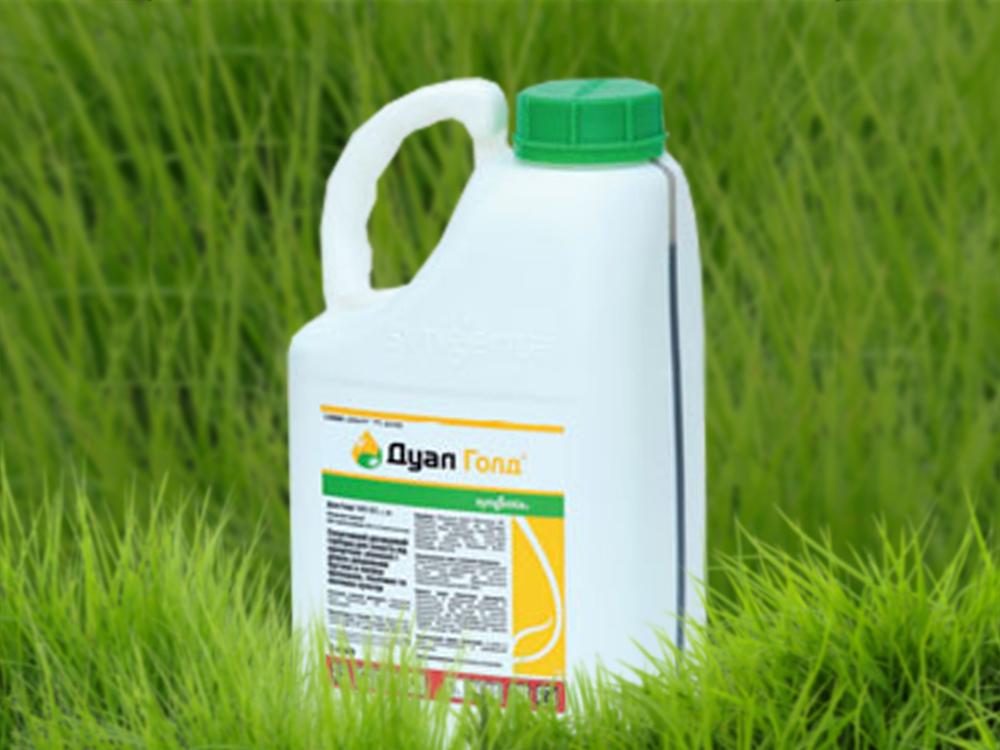
Dual Gold
Contains s-metachlor. It has excellent selectivity, reliably protecting sunflowers before emergence, and provides long-term protection from weeds. It is not phytotoxic in case of overdose.
Which drug should I buy?
The choice depends on the soil type and characteristics, its moisture content and degree of cultivation, the predominant weed species and their abundance per unit area, and the sensitivity of different sunflower varieties and hybrids to the active ingredients in the product. It's important to pay attention to application rates, recommended consumption rates, and the cost of the product—these factors determine its cost-effectiveness.
Concentrated herbicides can be used to treat sunflower fields if they are plowed and fallowed after harvesting, as high doses of substances can have negative effects on crops.
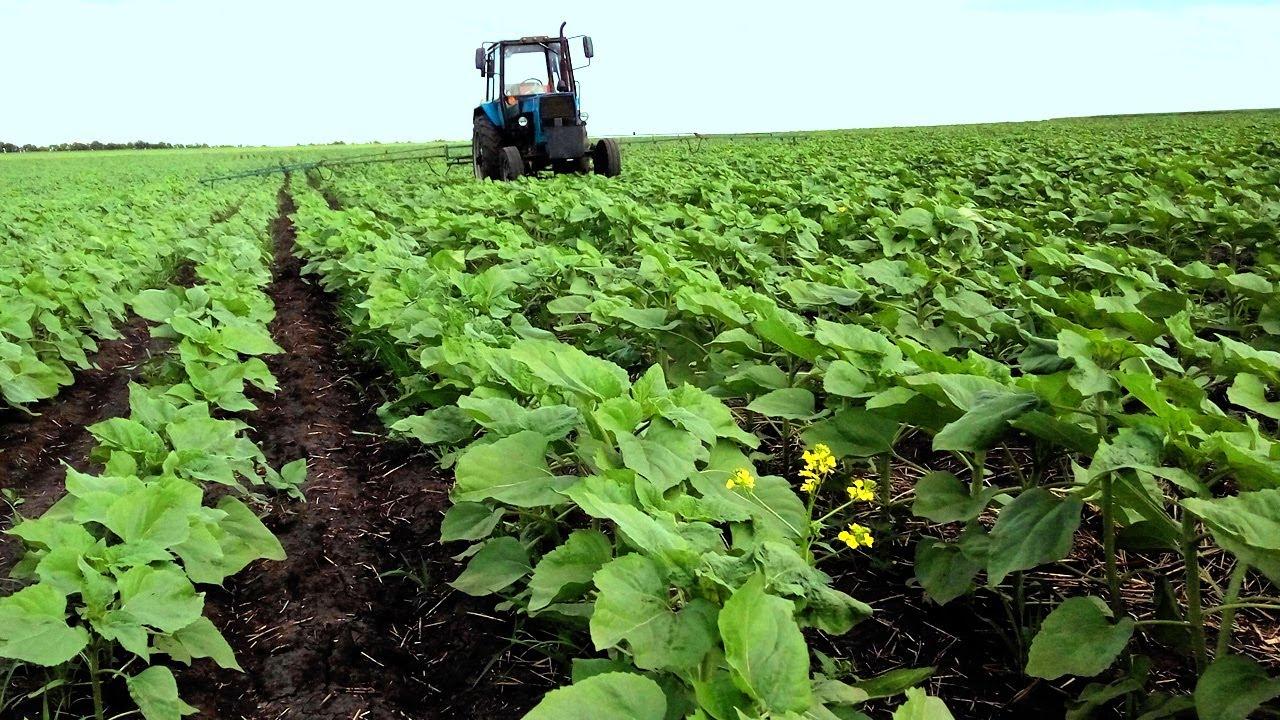
Instructions for use for sunflower planting
Soil herbicides are applied to sunflower fields where annual weeds predominate. Perennial weed control should begin early, in the previous season. If long-term weed control is required, a combination approach should be used, mixing herbicides with different active ingredients in tank mixtures.
The presence and survival of the herbicide in different soil types depends on the soil composition, pH, humus content, and moisture content, as well as the solubility, volatility, and half-life of the herbicide. The effectiveness of sunflower protection after application will depend on the soil's lumpiness and the integrity of the herbicide screen. A prerequisite for successful herbicide application is its binding to soil moisture, so the top layer must be moist. On dry soil, the herbicide should be incorporated 2-3 cm deep.
When applying, take into account the air temperature and wind conditions. Spraying should be done in dry, warm weather, without wind, to prevent spray from blowing away and ensure the solution is distributed evenly across the ground.
Proper soil preparation, proper application conditions and technology, and solution concentration and flow rate ensure herbicides are as effective as possible. By eliminating weeds from sunflower crops, yields can be increased by tens of percent.
Check the effectiveness of the treatment 2-4 weeks after application. If done correctly, no additional spraying will be necessary.
Commercial sunflower cultivation over large areas requires the use of soil-based or post-emergence herbicides. Destroying harmful plants at the seedling stage or in the early stages, when they reach 5-10 cm, prevents overgrowth, provides optimal conditions for sunflower development, reduces yield loss, and improves the quantity and quality of seeds and oil.
Related posts:
 TOP 40 New Year's 2020 Meat Recipes Using Pork, Beef, Chicken, and Lamb
 Types of herbicides for weeds and which ones are best to use, examples
 A description of the top 10 herbicides for raspberry weeds and which one is best
 Top 10 Systemic Herbicides and How to Choose the Right One
 How to make a garden bed from scratch without grass and weeds: ideas and methods with and without weeding
 Top 40 DIY New Year's Baking Recipes for 2020
 Review and application of herbicides for winter and spring garlic against weeds
 Which herbicide is best for treating strawberries and how to get rid of weeds?