
When choosing herbicides for treating cropped areas, it's important to purchase products that are most effective against potential weeds and have lower toxicity to protect the environment. Using the Mortira herbicide helps protect cereal crops from dicotyledonous annual weeds that have developed resistance to MCPA and 2-4 D, widely used products in agriculture.
Composition, dosage form and purpose
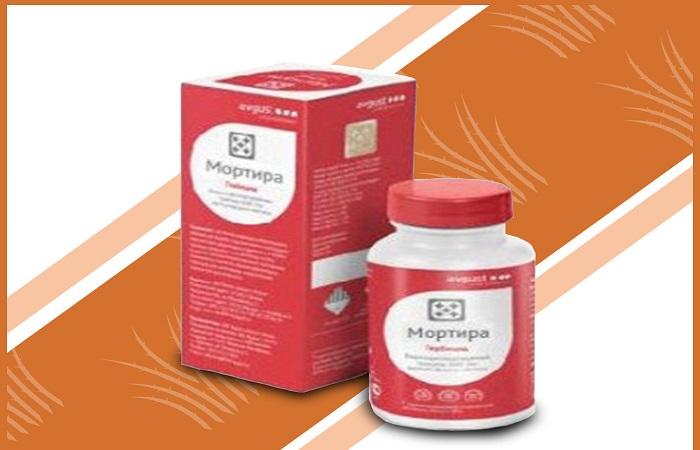
Mortira is a single-component systemic herbicide. Its active ingredient, tribenurol-methyl, belongs to the sulfonylurea class of chemicals. The concentrated form contains 750 grams of active ingredient per liter. It is available as water-dispersible granules.
This pesticide is designed to control weeds in areas sown with cereals. It destroys annual dicotyledonous pests. It is packaged in plastic bottles with a tight-fitting lid, in 100- and 300-gram capacities. It is manufactured by the domestic company Avgust JSC.
Mechanism of action
After treatment with the herbicide, the active ingredient quickly penetrates the stems and leaves of weeds, blocking the production of acetolactosynthase (an enzyme that affects amino acid synthesis). This causes plant growth to stop and ultimately, their death.
Advantages of the drug
In addition to being cost-effective and effective against many types of weeds, Mortar has a number of advantages:
- duration of the protection period;
- impact on many types of weeds (more than 100 varieties);
- rapid adsorption by plant parts;
- moderate toxicity of the drug;
- no impact on crop rotation.
The product is approved for use in aerial applications. It does not affect soil composition and does not accumulate in the soil.
Calculation of consumption
One treatment per season is sufficient. Field work can be resumed 5 days after spraying.
| Amount of herbicide concentrate, in grams per hectare | What cereal crops are being processed? | Destroyable weeds | Consumption of the prepared solution, in liters per hectare, spraying period |
| 15-20 | Wheat, barley, oats, spring and winter | Varieties of annual dicotyledonous weeds, plants resistant to 2-4D and MCPA | 200-300. At the 2-leaf development phase. At the beginning of the tillering period. 2-4 leaves. |
| 20-25 | Oats, barley, winter and spring wheat | If, in addition to the usual weeds, there is thistle on the site | 200-300. Tillering period. Early stages of weed development, 2-4 leaves, rosette thistle. |
| From 10 to 15 | Wheat, barley, oats, spring and winter | Varieties of annual dicotyledonous weeds, plants resistant to 2-4D and MCPA | 200-300. Early stages of weed development, 2-4 leaves, rosette thistle. This concentration is used when applied with surfactants. |
Surfactants (surface-active agents) are special preparations that improve the adhesion of agrochemicals to plant parts, reducing herbicide consumption. Adya is recommended for use with Mortira. Winter crops are treated in the spring.
Important: When spraying, focus on the weed growth phase. For aerial treatment of crops, 25-50 liters of the prepared mixture per hectare is sufficient. Do not spray in high humidity (rain and dew reduce the effectiveness of the product).

Preparation and use of the working mixture
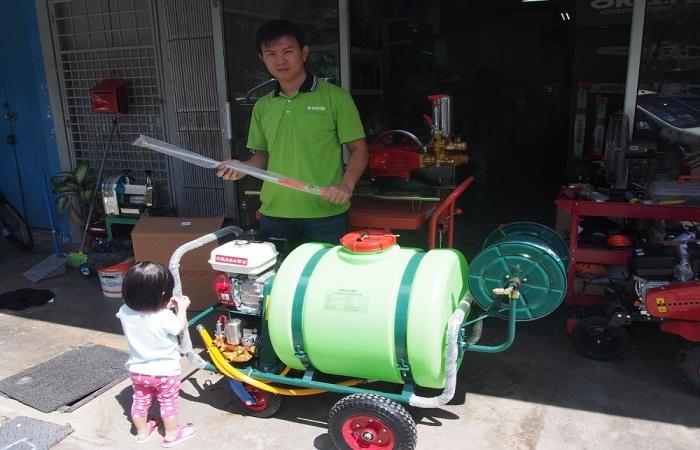
The treatment solution is prepared on the day of application. To do this, pour 1/3 of the required volume of water into the machine drum, then add the herbicide granules while stirring constantly. The concentration is adjusted to the required level by adding the remaining water.
The manufacturer's instructions for use, included with the product packaging, contain detailed information on the instructions for use and the required concentration of the substance. Do not exceed the recommended dosage.
Precautionary measures
The solution is prepared in specially equipped areas. When handling the herbicide, wear protective suits, rubber gloves, and respirators. Avoid smoking and eating while working. After completing the work, change clothes and take a shower.
How toxic is it and is it compatible with other chemicals?
"Mortar" has moderate toxicity to bees and humans; the herbicide is classified as hazard class 3. It is compatible in tank mixes with pesticides and insecticides (except organophosphorus compounds).
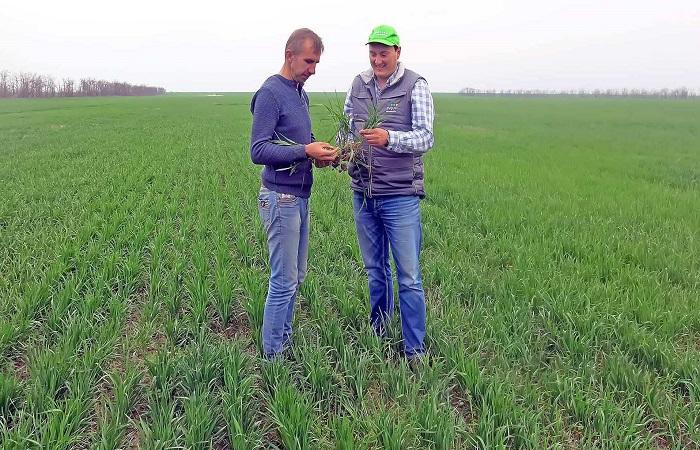
Storage terms and conditions
The herbicide is stored in a facility specifically designed for storing agrochemicals. This warehouse must be dry and provided with adequate ventilation. The product must be kept in the manufacturer's container, tightly sealed, with the name and intended use clearly visible on the packaging. The shelf life is three years after manufacture.
Similar means
Medicines with identical active ingredients are: "Granat" VDG, "Spetsnaz 750" VDG, "Shanstar" VDG and many other medicines.
Related posts:
 Hermes herbicide instructions for use, dosage, and analogues
 Instructions for use and composition of the herbicide Aksifor, dosage and analogues
 Composition and instructions for use of the herbicide Ballet, application rates and analogues
 Instructions for use and composition of the herbicide Callisto, dosage and analogues
 Instructions for use and composition of the herbicide Basis, application rates and analogues
 Instructions for use and composition of the herbicide Fabian, application rates and analogues
 Luger herbicide instructions for use, dosage, and analogues
 Instructions for use and composition of the herbicide Esteron, dosage and analogues