
- Slavyanka potato variety: characteristics and description
- The origins of the Slavyanka potato
- External data of the bush
- Slavyanka crop yield
- Taste qualities of the root vegetable and its use
- Advantages and disadvantages of the Slavyanka potato
- What conditions does the Slavyanka potato require?
- Planting technology
- Preparing the plot and planting material for the Slavyanka potato
- Timing and step-by-step algorithm for planting Slavyanka potatoes
- We organize competent care for Slavyanka plantings
- Irrigation and loosening of the soil
- We apply fertilizer to the Slavyanka potato
- Hilling and mulching beds
- Potato diseases and pests: prevention and treatment
- Rules for harvesting and storing crops
- Experienced gardeners' reviews of the Slavyanka potato
The description and reviews of the Slavyanka potato variety demonstrate the benefits of growing this crop in the garden. This vegetable is popular among experienced gardeners and novices alike. This variety can be grown for personal consumption and for sale. To successfully grow potatoes, you should familiarize yourself with all of their characteristics.
Slavyanka potato variety: characteristics and description
The Slavyanka potato variety is mid-season and has a rich flavor. It produces high yields, boasts a strong immune system, and is easy to care for. The fruit has a long shelf life, provided proper storage guidelines are followed. It is grown throughout Russia, Ukraine, and Belarus. The plants tolerate short periods of drought and are undemanding of soil conditions.
The origins of the Slavyanka potato
The Slavyanka potato was developed by Ukrainian plant breeders from the Kirovohrad Agro-Industrial Institute. The variety was obtained from virus-free seed. It has been listed in the Russian Federation State Register since 2009 and is zoned for the central part of the country—the Volga, Central, and other regions.
External data of the bush
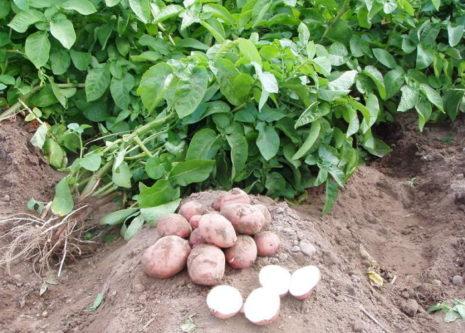
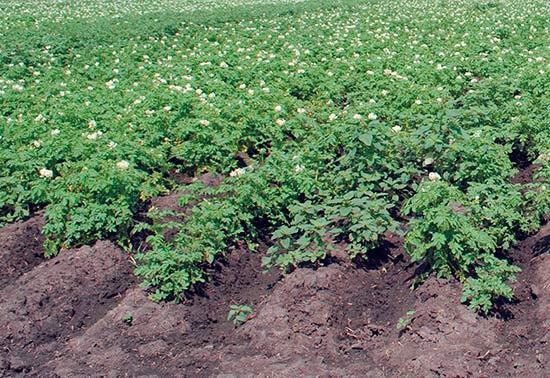
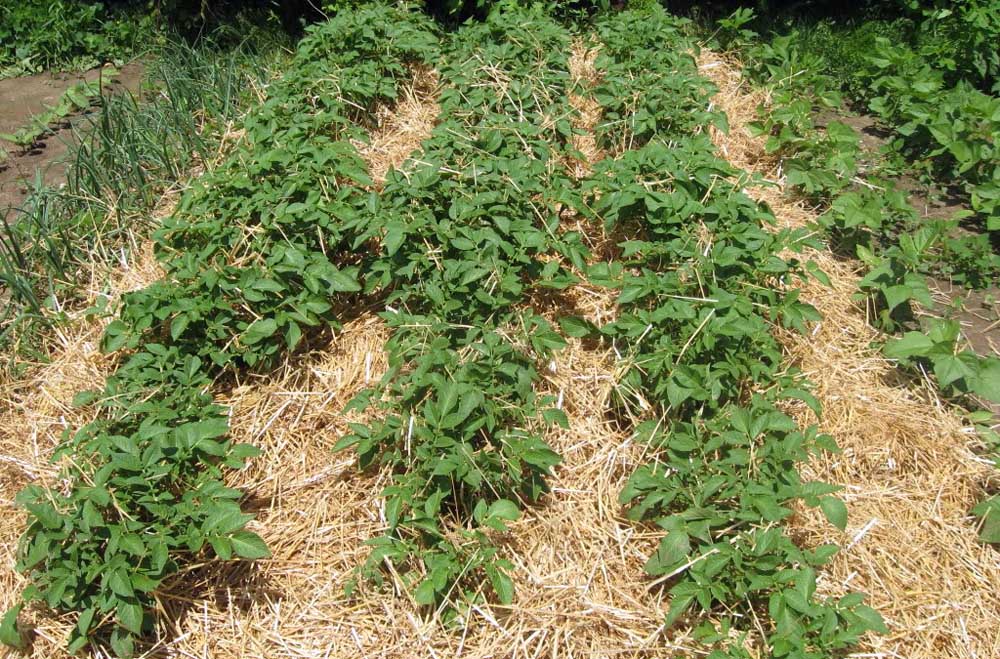
The bush is medium-height, slightly spreading, with abundant foliage. The stems are branched and sparse. The leaves are dark green, pubescent, large, dissected, with prominent veins and slightly wavy edges. The inflorescences are few, bluish-purple with white tips. The rhizome is well-developed, with 12-15 select tubers forming under each plant. Small, unmarketable fruits are insignificant.
Slavyanka crop yield
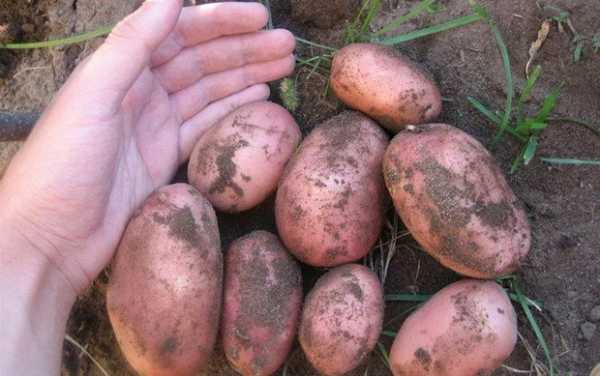
The Slavyanka potato variety produces fruit 120-140 days after planting in open ground. The plants are incredibly productive, yielding 250-300 centners per 100 square meters. The maximum yield per hectare is 400 centners.
Taste qualities of the root vegetable and its use
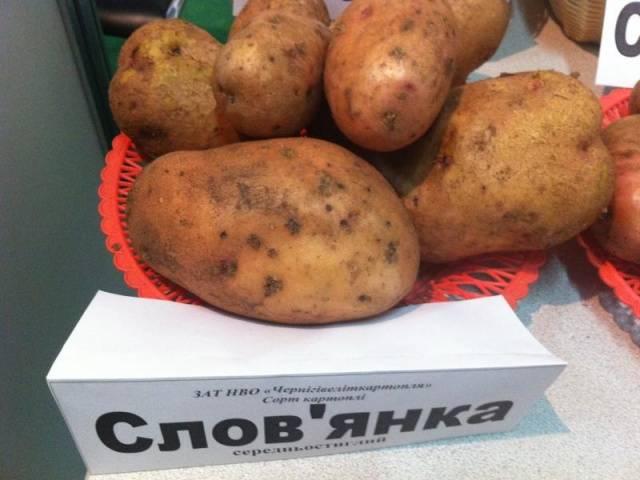
Slavyanka tubers grow large, oblong-oval, and pinkish in color. Each potato weighs 90-170 grams. The eyes are small and superficial, making peeling easy. The skin is smooth, evenly colored, and thin, with a sand-colored flesh. The fruits contain 11-13% starch. The marketability of the tubers is 88-99%, and their shelf life is approximately 95%. The potato is rich in B vitamins, amino acids, and proteins.
 It is used for cooking frozen potatoes French fries, mixed vegetables, chips, mashed potatoes, entrees, casseroles. The fruits are lightly cooked and retain their shape after cooking.
Advantages and disadvantages of the Slavyanka potato
The Ukrainian potato variety Slavyanka is widely distributed due to its many advantages, but there are several negative aspects.
| Pros | Cons |
| Excellent taste | Good soil is needed for successful growth. |
| High yield | The tubers are not resistant to mechanical impacts, which complicates harvesting and transportation. |
| Simultaneous ripening of fruits | Damaged root vegetables spoil quickly. |
| Resistance to fungal infections | |
| Easy to care for | |
| High shelf life | |
| Attractive appearance |
What conditions does the Slavyanka potato require?
Slavyanka potatoes are planted in holes or furrows to ensure even light and plenty of heat. Tubers form and rhizomes develop when the soil warms to 7°C (45°F). Growth is inhibited at 25°C (75°F) or frost.
Planting technology
Experienced gardeners don't recommend planting Slavyanka potatoes in the same spot for more than three years. They need to be transplanted to a new location, as they deplete the soil. Legumes, onions, and cucumbers should be planted in the old spot. There are no other specific agricultural considerations.
Preparing the plot and planting material for the Slavyanka potato
One month before planting, the soil should be prepared. It should be plowed and nutrient-rich compounds such as humus, wood ash, and nitrophoska should be added to each hole.
To prevent wireworms, it's recommended to place onion peels in the holes to repel the parasites. One week before planting, loosen the soil again to the depth of half a spade.
It's important to properly prepare medium-sized planting material. The seedlings should be free of visible defects such as cracks, spots, or rot. Dip the roots in the growth stimulating solution Epin for 30 minutes.
Timing and step-by-step algorithm for planting Slavyanka potatoes
Potatoes should be planted in mid-April or late April, depending on the region. It's important to avoid the risk of further frosts. In the North, cover the plants with plastic wrap to prevent them from freezing.
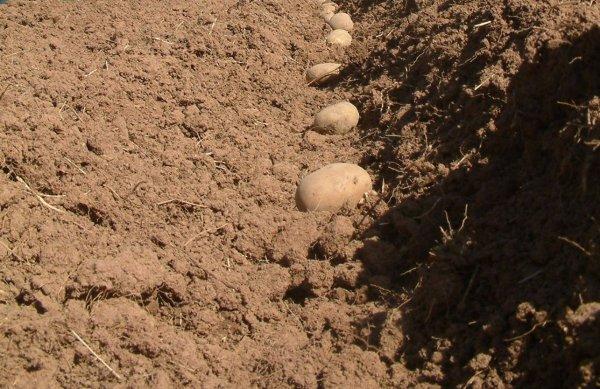
To obtain a decent harvest, follow proper agricultural practices. Plant tubers in holes at least 20 cm deep. The distance between rows should be 60-70 cm, and between holes 30-40 cm. For shallow rows, trench planting is recommended: dig trenches 0.25 cm deep and 0.35 cm wide. Place plant remains and compost at the bottom, and place the seedlings on top. Cover the plantings with a thin 3 cm layer of soil. Dig another trench 0.7 meters outside the trench, using the soil from this trench as a foundation for hilling.
To ensure that potato plants produce a healthy harvest, water them using airborne spray after planting.
We organize competent care for Slavyanka plantings
Maintaining the beds is simple: regular watering, hilling, fertilizing, and weeding are all that's required. Additionally, the bushes are treated with insecticides and disease control agents.
Irrigation and loosening of the soil
The Slavyanka potato requires frequent but moderate watering. The bushes are tolerant of drought, provided it's short-lived. Regular water shortages can cause the tubers to shrink. Irrigate during flowering, then every 7-10 days, depending on soil conditions.
We apply fertilizer to the Slavyanka potato
Potatoes should be fertilized to enhance yield and improve their defenses. This procedure is carried out in stages.
- Before hilling, add 10 g of ammonium nitrate and 300 g of compost. Cow manure can also be used at a ratio of 1:10.
- During budding, the crop requires potassium – 100 g of ash.
- After wilting, to intensively develop the tubers, take 30 g of superphosphate and dilute it in 10 liters of water.
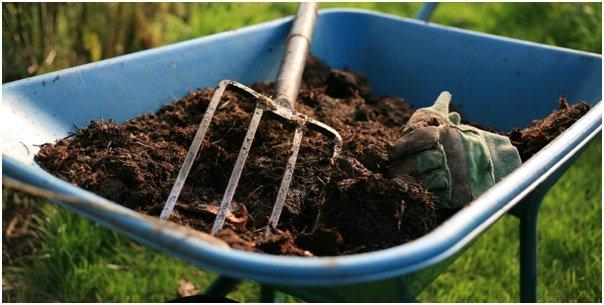
Magnesium is added every two weeks during the growing season. A deficiency in this nutrient leads to decreased resistance to diseases. In neutral or slightly acidic soils, magnesium sulfate is applied; in acidic soils, dolomite flour is applied at a rate of 50 g per square meter.
Hilling and mulching beds
Hilling up Slavyanka potato plants helps saturate the soil with oxygen and nutrients, and stimulates the growth of lateral shoots. New fruits form, the plants are protected from drought and frost, and the roots do not decay.
This procedure allows you to remove weeds and loosen the soil.
You can mulch the bushes and row spacing with sawdust, hay, peat, or agronomic fiber. A 5-10 cm layer of mulch retains heat and moisture and prevents weed growth.

Potato diseases and pests: prevention and treatment
The Slavyanka potato is rarely susceptible to canker, nematodes, scab, late blight, and viruses. To prevent diseases, the plants are treated with copper-containing agents. Spraying with Fitosporin and proper soil preparation for planting help prevent rot and fungus.
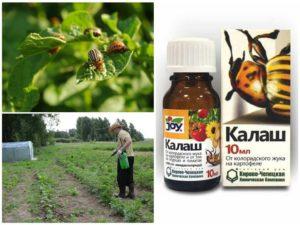
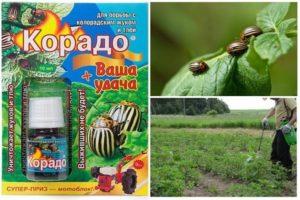
Pests that attack the plant include Colorado potato beetles, mole crickets, wireworms, butterflies, aphids, spider mites, potato moths, and leafhoppers. These are controlled with insecticides such as Prestige, Anti-Colorada, and Aktarofit. Sometimes 3-4 treatments are required.
No chemical spraying is performed two weeks before harvest. Infected tops are cut off 2-3 days before harvest.
Rules for harvesting and storing crops
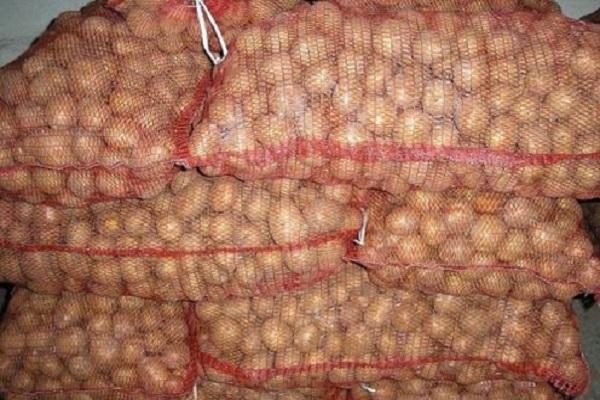
The harvest is in early to mid-September, preferably by hand. The potatoes are lightly dug up if the tops have dried out, and left on the ground to dry for two hours. Select suitable specimens and place them in wooden crates, lined with oilcloth or burlap. The potato layer should not exceed 0.5 meters to ensure adequate oxygenation. Potatoes are typically stored in a basement or cellar, maintaining an air temperature of 2-4°C (37-43°F). Humidity should be 90%.
Experienced gardeners' reviews of the Slavyanka potato
Reviews of the Slavyanka potato reflect all the characteristics of the variety.
Victor Vasilyev, 67 years old, Kyiv
Hello! I've been growing Slavyanka potatoes in my garden for two years, and the harvest is bountiful. I harvest 300 centners per hectare. I mainly grow potatoes for sale, and customers buy them readily.
Andrey Dementyev, 59 years old, Solnechnoye
Hello! I learned about the Slavyanka potato from a magazine and decided to plant it. It's a low-maintenance variety, but the plants were attacked by Colorado potato beetles a couple of times. I used two applications of Anti-Colorado to control the pests. I haven't had any further problems.
Related posts:
 Description of the best potato varieties of domestic and foreign selection
 Description and characteristics of the Rodrigo potato variety, cultivation and care
 Why potatoes aren't growing well in the garden, and what to do to ensure a bountiful harvest
 Description and treatment of potato diseases, methods of control using folk and chemical means
 Description and characteristics of the Krasavchik potato variety, planting and care
 Description and characteristics of the Gulliver potato variety, planting and care
 Description and treatment of potato pests, control measures
 Description and characteristics of the Zhukovsky potato variety, planting and care