
Conductor cucumbers were developed by Dutch breeders. They belong to a group of early-ripening hybrids. Conductor F1 cucumbers require no pollination and tolerate heat and scorch well, with their bushes not burning in sunlight. Conductor cucumbers are eaten fresh, sliced into salads, and canned. The hybrid can withstand long-distance transportation.
Technical parameters of the hybrid
The characteristics and description of the plant are as follows:
- The cucumber variety Conductor produces a full harvest 35-40 days after sowing.
- The height of the hybrid bushes ranges from 0.8 to 1.6 m. The plant has a medium number of branches on which grow small leaves colored in dark shades of green.
- The hybrid has a female flowering type. Each node produces 1 to 3 flowers.
- The cucumbers reach 100 mm in length and up to 3.1 cm in diameter. They are cylindrical in shape and dark shades of green. Fine lines run across the entire surface of the cucumber, with a moderate number of spots. The skin is dense, covered with small bumps and a light fuzz.
- The fruit weighs between 65 and 80 grams. Inside the fruit is a small seed chamber. The cucumbers have a good flavor and contain a lot of juice.

Reviews from gardeners growing this variety indicate that the yield of cucumbers ranges from 4.5 to 6.9 kg per square meter of garden bed. The Conductor variety is resistant to diseases such as cucumber mosaic virus, powdery mildew, and brown spot.
The disadvantages of this variety include the impossibility of independently obtaining seeds and the high cost of planting material.
In Russia, the hybrid is recommended for cultivation in open fields in the southern regions of the country. In the central part of the country, the plant is grown in plastic greenhouses. In the vast expanses of Siberia and the Far North, greenhouses and heated greenhouse complexes are recommended for growing cucumbers.


How to grow a hybrid yourself?
This variety can be grown by direct sowing of seeds under warm soil or by using seedlings. The hybrid seeds germinate well and require no disinfection or stimulation. If a farmer decides to sow seeds directly into the garden beds, it is recommended to do so when the soil warms to 18–20°C.

Seedlings are obtained by sowing seeds in boxes filled with homemade or store-bought soil. The first shoots appear in 5-7 days. They are watered with warm water once a week. The seedlings are fed with complex mineral mixtures or organic fertilizers (manure, chicken manure, etc.). The seedlings are transplanted into greenhouses or hotbeds by mid-May, when the plants are 20-25 days old. By the time they are transplanted into permanent soil, each plant should have produced 2 to 5 leaves.
Before planting seeds directly into the soil or transplanting seedlings, the beds are loosened, disinfected, and holes are dug in. Humus or peat is added to the holes. Afterwards, experts recommend mulching the soil in the beds. This treatment attracts earthworms, which over time fertilize the soil, loosen it, and allow oxygen to reach the cucumber roots.

When planting seeds directly into the soil, place them tip-up, at a 45° angle, to a depth of 10 mm. Young seedlings are planted in a 0.5 x 0.5 m pattern.
Caring for a growing hybrid
Water the plants twice a day (morning and evening). Use warm, sun-settled water. Apply sparingly, even though the hybrid thrives on water. Avoid overwatering the soil beneath the bushes. Ensure no moisture remains on the leaves, as this can cause burns.
While the bushes are growing vigorously, the soil in the beds should be loosened for the first two weeks. This variety's roots are located close to the surface, so loosening the soil carefully is necessary to avoid damaging the hybrid's root system.
Plants should be fed with organic mixtures and mineral fertilizers. The first feeding is done 14 days after germination. Then, the bushes are fed four more times. Two feedings are applied initially before the first flowers appear, and then two more times before fruit development.
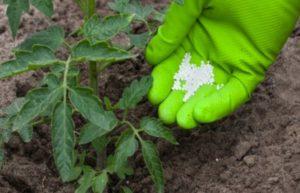

It is recommended to weed once a week.
If pests capable of destroying the crop (aphids, mites, flying insects, and their larvae) appear in the garden or greenhouse, it is recommended to use chemicals or folk remedies to eliminate them. If a farmer wants to harvest an environmentally friendly crop, garlic infusions, onion peels, or a soap solution should be used to kill garden pests. To eliminate the risk of slug infestations, wood ash should be applied to the roots of hybrids.
Related posts:
 Description of the Krasotka grape variety, planting and care technology
 Description of the Julian grape variety, planting and care instructions
 Description of Serpentine cucumbers and methods of growing the hybrid variety
 35 Best Powdery Mildew-Resistant Cucumber Varieties with Descriptions
 Description and rules for growing Solaris grapes
 Description of cucumber Borisych F1, growing seedlings and caring for the hybrid
 The best methods for growing grapes from seeds at home
 Growing and caring for hazelnuts in open ground, rules for planting hazelnuts