
Cucumber chlorosis is one of the most common diseases of the crop. The leaves of the affected plant begin to yellow and wilt, eventually killing the entire plant. Chlorosis has many causes, ranging from micronutrient deficiencies to pest infestations. The disease can appear at any stage of cultivation, but only after transplanting the seedlings into the soil. Saving the crop is possible at the onset of the disease; if chlorosis spreads throughout the plant, any measures will be futile.
Causes of the disease
The first sign of chlorosis is yellowing cucumber leaves. The damage begins at the edge or center of the leaf and spreads to the entire leaf. The veins of the green leaf usually remain undisturbed. If left untreated during this period, the cucumbers will turn completely yellow and dry out.
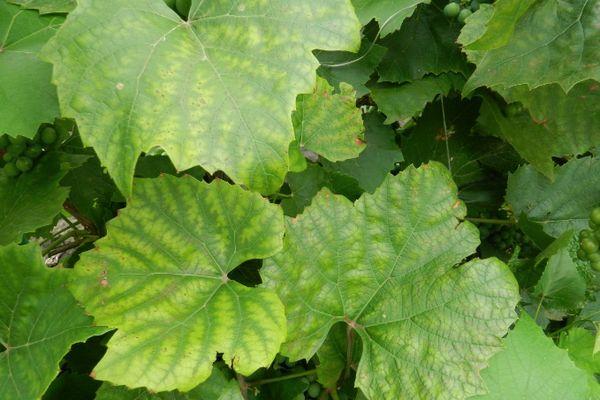
Yellowing cucumber leaves is caused by a deficiency of chlorophyll, which is essential for green color. Chlorophyll production can be disrupted by factors such as:
- deficiency or excess of nutrients;
- viruses and bacteria;
- poor lighting;
- draft;
- violation of the watering schedule;
- pests;
- weather conditions (frost, heat, rain).
The disease manifests itself in different ways depending on the cause. In most cases, it is caused by a lack of micronutrients. Yellowing appears along the leaf margins and spreads to the interveinal spaces. However, chlorosis can also begin in the middle of the leaf, appearing as spots. Common symptoms for all types of chlorosis include:
- leaf curling;
- new leaves grow smaller;
- plant development is disrupted;
- flowers and fruits dry up.
Before starting treatment, it's important to make sure it's not downy mildew or another similar disease. Pinpointing the cause in the early stages is quite difficult. You can submit the affected plant to a laboratory for testing. However, this method is only suitable for large-scale farmers. The average gardener will have to rely on their own observation.
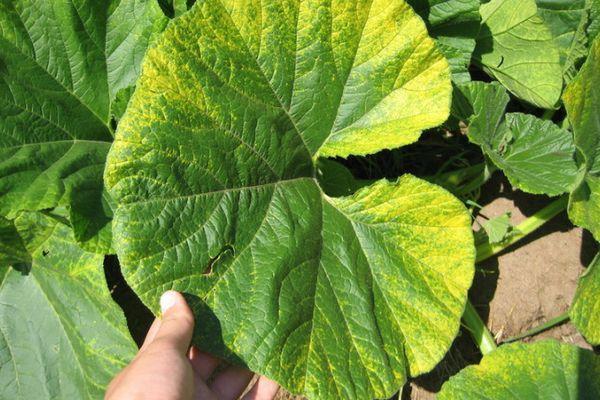
Signs of different types of chlorosis
Micronutrient imbalances are easy to treat: just add fertilizer, but you need to know which substance is missing or in excess.
So, if a plant lacks magnesium, the underside of the leaf first turns pale, and after the entire green leaf surface fades, the edges take on a purple tint. Excess magnesium leads to root death, causing the leaves to curl and darken.
When nitrogen is deficient, the lower leaves are the first to suffer. Over time, the yellow color turns brown. A different picture is observed with excess nitrogen. The plant's color changes to dark green, after which the leaves curl. The slightly translucent spots that initially appeared turn yellow or grayish-brown.
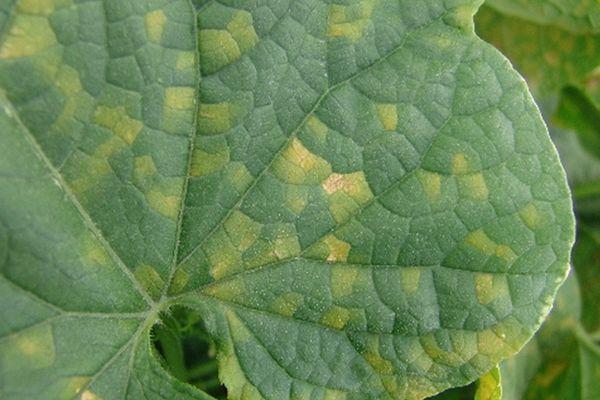
Iron deficiency also causes cucumbers to turn brown, but the damage begins on the upper shoots. If leaves begin to discolor between the veins, there's likely an excess of iron or zinc in the soil. Zinc deficiency also causes enzyme loss, but only in isolated patches of the cucumber's green leaves.
Yellow leaves with rusty edges indicate a manganese deficiency. Conversely, the appearance of brown spots indicates an excess of the mineral. Acidic soils contain large amounts of manganese.
A potassium deficiency causes a sharp color change from green to brown, without yellowing. A mosaic pattern, however, is a sign of excess potassium. High potassium concentrations inhibit crop development and can lead to the loss of the entire harvest.
When chlorosis is caused by overwatering or rainy weather, leaves turn pale and wilt. Serous spots form, and rot may develop. If soil moisture is not reduced, shoots and roots will begin to rot.
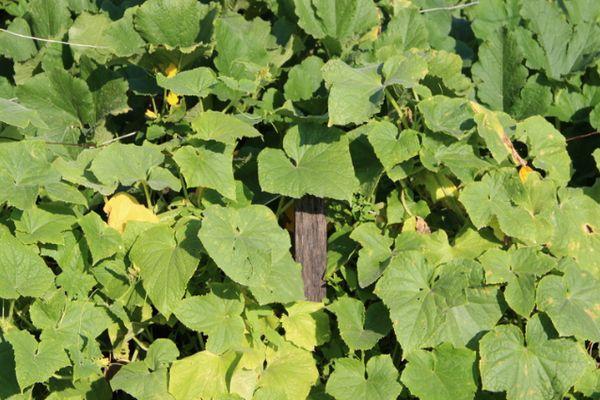
Cold temperatures can cause yellowing or spotting of leaves. Insufficient light, in addition to pigment loss, causes the plant to develop smaller leaves and thinner stems.
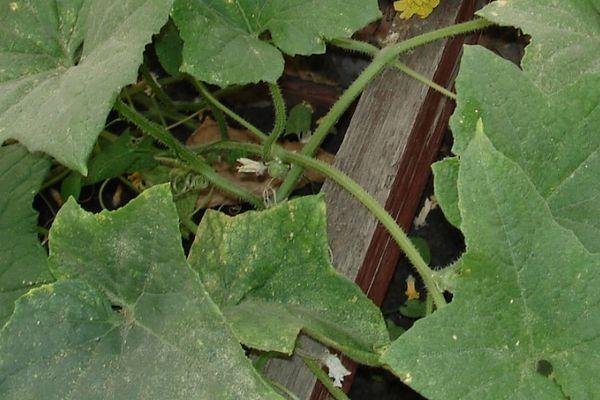
Pests, such as spider mites, prefer the undersides of leaves. Upon inspection of the plant, you may notice small webs. Cucumbers turn yellow and then wilt. When cucumbers are infested with nematodes, the plant becomes deformed, with stunted leaves, shoots, and fruits. However, nematodes are rare on cucumbers; aphids or spider mites are more common.
Methods of combating chlorosis
To cure cucumbers and avoid losing the harvest, it's necessary to determine the cause of the disease. If a micronutrient deficiency is present, simply remove the damaged leaves and apply the appropriate fertilizer. A 1:10 mullein solution can help correct a nitrogen deficiency. Use 1 liter of the solution per bush.
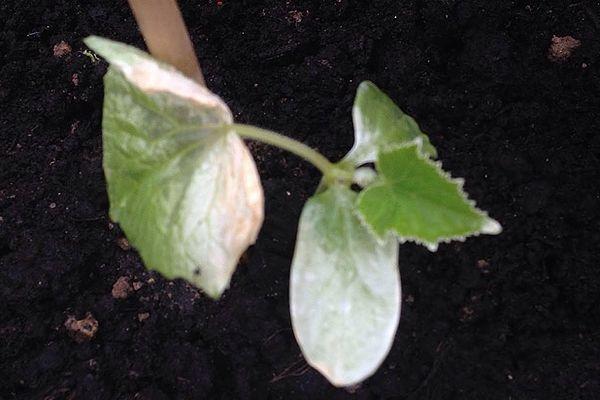
You can increase magnesium levels by mixing 100 g of magnesium nitrate with 10 liters of water. Potassium is found in ash, 1 cup per 10 liters. Use it as a root fertilizer, at a rate of 1 liter of solution per plant.
Iron deficiency can be corrected with commercial fertilizers or a homemade extract. You'll need: 1 liter of boiled water, 6 g of copper sulfate, and 4 g of citric acid. When mixed, the ingredients form an orange solution. This solution is used for both root and foliar feeding.
In case of unfavorable weather conditions, such as sudden frosts, damaged foliage can be simply removed. No further treatment is necessary; additional fertilizer can be applied to strengthen the shoots. Excess moisture can be reduced by using drainage channels, and watering should also be temporarily discontinued.
If pests are the cause of chlorosis, they must be eliminated. You can resort to special preparations or folk remedies. For example, an onion solution, a decoction of tomato tops, and dandelion infusion are effective against spider mites. If a viral or fungal infection is detected, cucumbers should be treated with an appropriate preparation.
Chlorosis caused by excess minerals is more difficult to treat. First, stop fertilizing with mineral supplements. Then, restore the nutrient balance. For example, if there's excess nitrogen, water daily to reduce its concentration in the soil. However, it's important not to overwater, as this can lead to other problems, such as root rot. Spraying the leaves with calcium nitrate is also recommended; this will help restore the cucumber's greenery.
It's better to prevent diseases than to treat them. The main obstacle in treating chlorosis is identifying the cause promptly. Therefore, it's important to carefully follow the care instructions, including the watering and fertilizing schedule. The area where cucumbers will grow should be sunny but protected from drafts. In case of inclement weather, they should be protected by covering the bushes with plastic. It's also important to inspect the plant daily; this is the only way to spot any changes early.
Related posts:
 Pests and diseases of gooseberries and their control using chemical and folk remedies
 Planting and caring for cherries, feeding and growing rules
 Causes and treatment of eggplant pests and diseases, how to combat them at home
 How and where to properly keep ginger root fresh at home
 How to grow grapes in the Moscow region in open ground without a greenhouse
 Why do cucumber leaves curl inward and what to do about it?
 Causes and symptoms of clematis diseases, treatment methods and prevention
 Reasons why cucumber leaves turn yellow and what to do, how to treat and feed them
Treatment is treatment, but to get a better harvest, you should use plant growth bioactivators, this will naturally affect the harvest, I recommend BioGrow, you won't regret it.